Your Behaviour Support Policy Guide
Do you need a clear plan for managing resident behaviour? A strong Behaviour Support policy helps your organization act safely and respectfully. It also helps you meet important standards.
The Problem: Managing Behaviour Challenges
Managing behaviour can be hard. Without clear guidelines, your staff might not know the best way to act. This can lead to problems like:
- Unsafe situations for residents or staff.
- Actions that do not respect a resident's rights.
- Failing to meet legal and quality standards.
- Confused staff who are unsure of procedures.
These issues can cause stress and put your organization at risk.
The Solution: A Ready-to-Use Policy Template
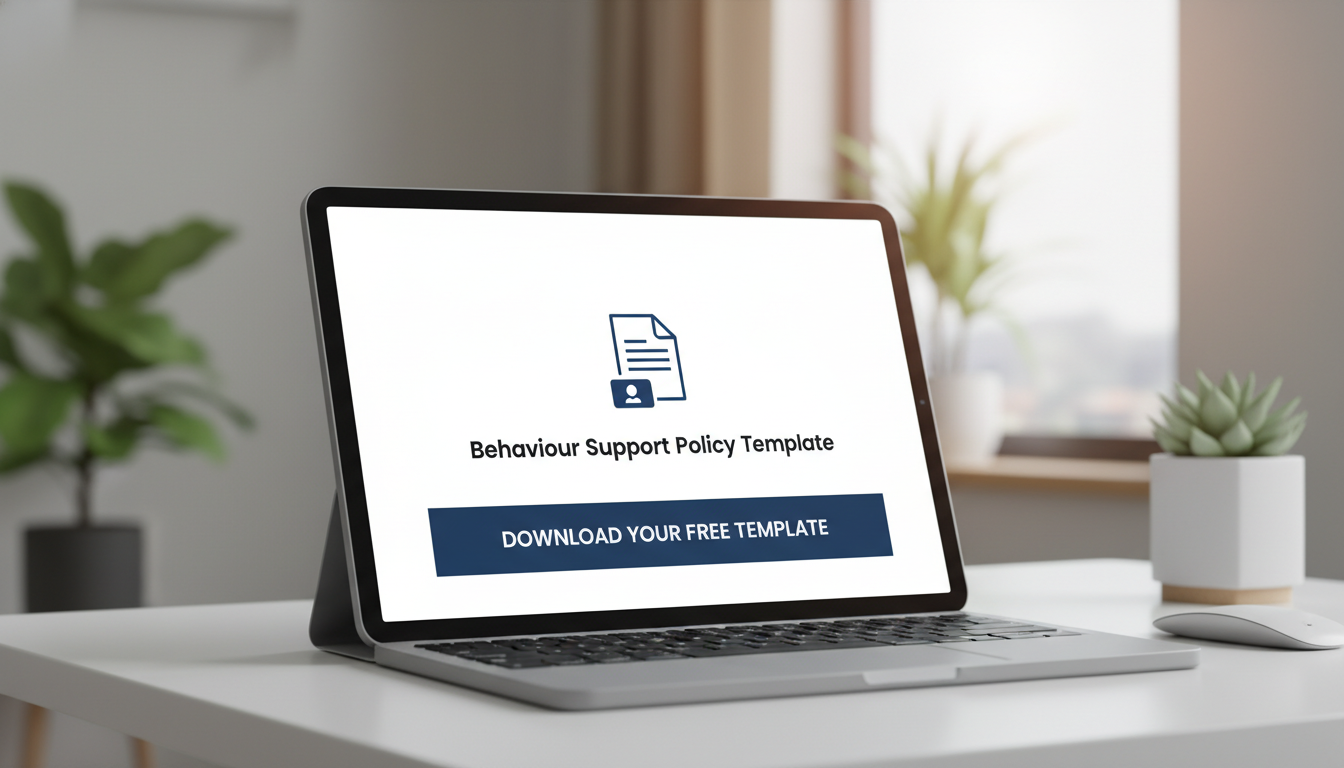
You need a reliable policy template to guide your team. Our free Behaviour Support Policy Template offers a structured framework. It helps you set up practices that are:
- Safe: Protecting everyone involved.
- Person-centred: Focusing on individual resident needs.
- Respectful: Upholding dignity and rights.
- Compliant: Meeting Aged Care Quality Standards and other laws.
This template helps you create a positive environment.
Key Benefits of Using This Template
When you use our Behaviour Support Policy Template, you gain many advantages:
- Clear Guidance: Staff know how to respond to behaviours of concern.
- Risk Reduction: Minimize unsafe practices and incidents.
- Improved Resident Care: Promote well-being and dignity for residents.
- Regulatory Compliance: Stay in line with legal requirements.
- Consistent Approach: Ensure all staff follow the same procedures.
- Time-Saving: No need to build a policy from scratch.
Features of Your Behaviour Support Policy Template
This template provides a detailed structure for your policy:
- Purpose and Scope: Defines why the policy exists and who it covers.
- Policy Statement: Outlines your organization's commitment to proactive, person-centred support.
- Legislative Context: Lists relevant laws and standards, such as the Aged Care Act 1997 (Cth) and Aged Care Quality Standards.
- Key Principles: Guides staff on understanding behaviour causes and using least-restrictive practices.
- Responsibilities: Clearly defines roles for managers, practitioners, and care staff.
- Procedures: Step-by-step instructions for identifying, planning, and responding to behaviours.
- Training and Education: Details requirements for staff training on behaviour support and de-escalation.
- Monitoring and Review: Explains how policies and incidents are checked and updated.
- Associated Policies: Lists related documents like Restrictive Practices Policy and Risk Management Policy.
- Evidence and Records: Identifies necessary documentation such as behaviour support assessments and incident reports.
- Policy Control: Includes a table for version, effective date, and review date.
- Compliance Summary: A section to track policy compliance.
This free template download is designed to be comprehensive and easy to use.
Frequently Asked Questions
What is a Behaviour Support Policy?
A Behaviour Support Policy is a document that guides an organization on how to manage and respond to behaviours of concern in a safe, respectful, and person-centred way. It helps protect residents and staff while meeting legal standards.
Who should use this Behaviour Support Policy Template?
This template is for organizations, especially those in aged care, that need a structured policy for their staff, volunteers, and contractors who work with residents displaying behaviours of concern.
Does this template cover legal requirements?
Yes, the template includes a section on Legislative Context, listing key acts and standards such as the Aged Care Act 1997 (Cth) and Aged Care Quality Standards, to help you meet compliance.
Can I change the template to fit my organization?
Yes, this is a template designed to be a starting point. You can adjust sections like the Policy Statement, Key Principles, and Procedures to match your organization's specific needs and practices.
What is a Behaviour Support Plan (BSP)?
A Behaviour Support Plan (BSP) is a document that outlines specific, proactive strategies and clinical supports to safely respond to a person's behaviour. It is a key part of the overall behaviour support policy.