

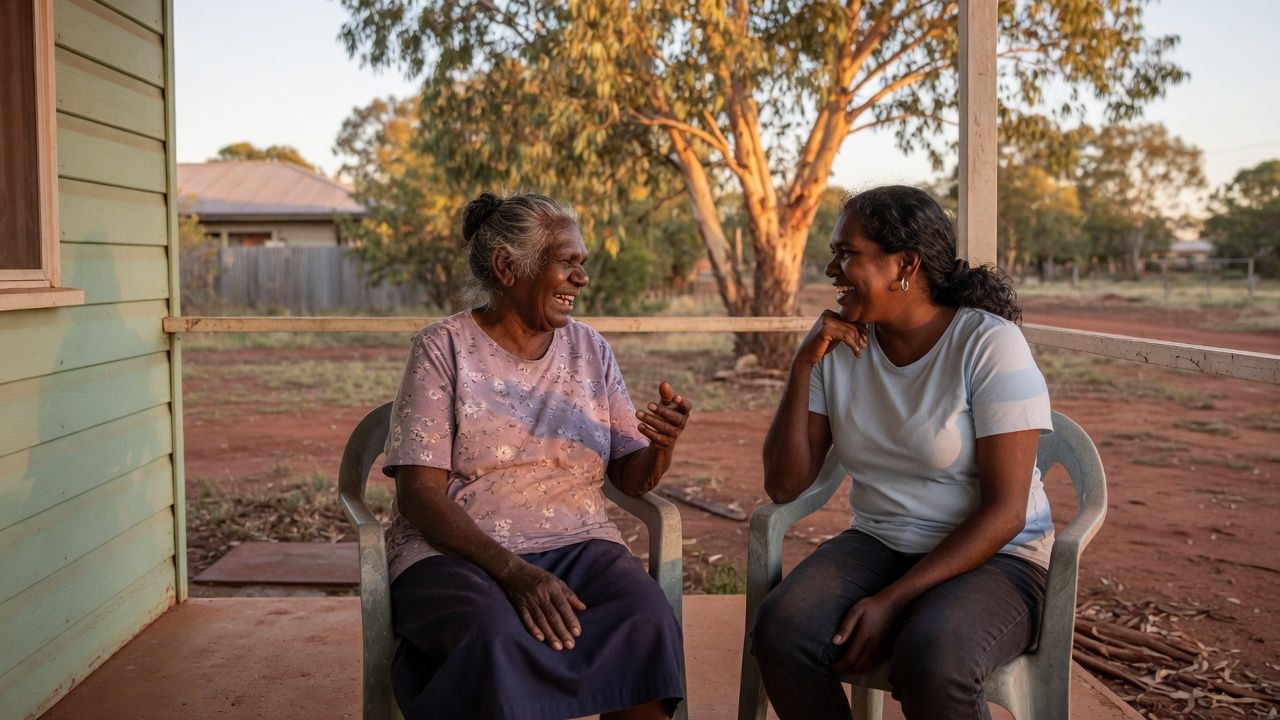


A support worker arrives at a home in a regional town, walks in without waiting to be welcomed, and asks the client's daughter to step out while they talk about care. Nothing on the care plan was missed, yet the visit has gone wrong. For many Aboriginal and Torres Strait Islander peoples, that is what unsafe care feels like, and it is why the Aged Care Quality and Safety Commission is now looking closely at the culturally safe care aged care providers deliver to First Nations clients.
This article is written for mainstream home care providers, meaning organisations that are not Aboriginal community controlled. It covers what cultural safety means, why the home and Country matter, the system changes that make a difference, and the evidence an assessor would expect to see. It is general information, not legal advice.
Key Takeaways
- Delivery of culturally safe care by mainstream providers to Aboriginal and Torres Strait Islander peoples is one of four sector risk priorities the Commission announced for 2026-27.
- Cultural safety is defined by the person receiving care, not by the provider, so it has to be checked with the client and family rather than assumed from a training certificate.
- The practical changes sit in systems: intake questions, kinship-based decision-making, Sorry Business in rostering, gender preferences, First Nations workforce and partnerships with ACCOs.
- Assessors will look for evidence in client records, feedback and staff practice, not just a policy on file.
- The Commission's First Nations Hub and the Thin Markets grant stream for Aboriginal and Torres Strait Islander services are two resources worth checking now.
Why the Commission Is Focusing on First Nations Cultural Safety
The Commission has named culturally safe care for Aboriginal and Torres Strait Islander peoples as a sector risk priority for 2026-27, which means more regulatory attention on mainstream providers. In Aged Care Quality Bulletin #8-2026, Commissioner Liz Hefren-Webb set out four priorities: aged care rights in practice, sexual safety and sexual rights, de-escalating changed behaviours, and delivery of culturally safe care by mainstream providers to Aboriginal and Torres Strait Islander peoples. The Bulletin says the priorities will guide extra regulatory attention, engagement and education through 2026-27.
The Commission's Corporate Plan 2026-27 also lists strengthening culturally safe care as a focus area. For a mainstream home care provider, the message is plain: cultural safety is being treated as a quality and safety issue, not an optional extra.
What Cultural Safety Means, and Who Decides
Cultural safety is decided by the person receiving care, not by the provider or the worker. The idea of culturally safe care differs from cultural awareness: awareness is what staff know, while safety is whether the client feels respected, unthreatened and able to be themselves during care.
That shifts the question from "have we trained our staff?" to "how do our clients experience us?" The answer only comes from asking First Nations clients, families and communities directly, then acting on what they say.
Why the Home and Country Change the Picture
Home care happens on the client's ground, which makes cultural safety more personal than in a facility. A worker entering someone's home is a guest, and for many Aboriginal and Torres Strait Islander people the home sits on Country that carries deep meaning, family history and obligations.
Historical experience matters too. Many First Nations families were affected by government removal policies, so a stranger arriving with forms and questions can carry weight a worker may not see. Staying on Country and connected to family is often why a person wants to age at home, and good care protects those connections.
Practical System Changes for Mainstream Providers
Cultural safety becomes reliable when it is built into intake, care planning, rostering and workforce systems rather than left to individual workers. Set the expectations out in a written Aboriginal and Torres Strait Islander peoples care policy so staff know what the organisation expects, then check each of the systems below.
Ask about identity respectfully at intake
Ask every client whether they identify as Aboriginal, Torres Strait Islander, both or neither, and explain why you ask: so the service can offer care that fits them. Never guess from appearance or surname, and never make the answer a condition of service. Record the answer, who the client wants involved and any community or language connections.
Recognise kinship and family decision-making
Many First Nations families make decisions collectively, and the right person to speak with may be an Aunty, Uncle, cousin or grandchild rather than the next of kin on a form. Record the client's own wishes about who speaks with them and for them.
Build Sorry Business and cultural leave into rostering
Sorry Business, the period of mourning and cultural obligation after a death, can mean a client cancels services at short notice, has many visitors or travels away from home. Rostering and cancellation rules should treat this as expected, not as non-compliance, and care partners should check in when the client is ready. The same applies to Aboriginal and Torres Strait Islander staff, who may need cultural leave to meet their own obligations.
Respect gender preferences
Some clients will want a worker of the same gender, especially for personal care, and in some communities certain matters are men's or women's business. Ask about this at intake, record it, and make the roster honour it. If a match cannot be made, tell the client before the visit and let them choose.
Grow First Nations workforce and seek Elders' guidance
Recruiting and keeping Aboriginal and Torres Strait Islander workers, and paying Elders or community members to advise the service, brings knowledge a policy cannot. Pair this with regular cultural safety training for all staff, ideally shaped with local community input.
Partner with ACCOs
Formal partnerships with Aboriginal community controlled organisations give a mainstream provider local knowledge, referral pathways and a trusted point of contact for clients. A good partnership has a written agreement, named contacts and shared referral steps.
Language That Builds Trust
Avoid deficit language that describes First Nations clients only through problems, gaps or risk. Phrases such as "non-compliant", "difficult family" or "refused care" can hide a cultural reason, such as Sorry Business, a gender preference or distrust built over decades. Write care notes that record what the client wants and the strengths they bring, including family, community and knowledge of Country.
Use "Aboriginal and Torres Strait Islander peoples" in full in formal documents and ask clients which terms they prefer, whether a nation, language group or community name. Capitalise Elders, Country and Sorry Business.
Evidence an Assessor Would Expect to See
An assessor will want to see that cultural safety shows up in client experience and records, not only in a policy. Useful evidence includes:
- Intake records - identity asked respectfully and recorded; family and decision-making contacts the client chose
- Care plans - cultural needs, gender preferences and community connections written in the client's own words
- Rostering - Sorry Business and cultural leave handled without penalty; gender matches honoured
- Workforce - training records, First Nations staff, Elder advice and support for cultural roles
- Partnerships - ACCO agreements, referral logs and joint reviews
- Feedback - complaints and feedback from First Nations clients, and the changes made in response
Frontline practice matters as much as paperwork. Workers should confirm recorded cultural preferences before each visit, so what was captured at intake actually reaches the client. Governa's policy templates and Norma, the AI assistant, can help map these records against your obligations so gaps show up before an audit does.
Resources and Funding Worth Checking
Two government resources are directly relevant to mainstream providers working with First Nations clients. The Department's Support at Home program page notes that the Commission's website hosts a First Nations Hub with information and resources on delivering culturally appropriate and safe care to First Nations older people.
The same Department page says Round 3 of the Support at Home Thin Markets grant is open, with flexible funding for eligible providers delivering rural, remote or specialised services. One of its two streams is for Aboriginal and Torres Strait Islander services, and providers funded in earlier rounds can still apply. Check the Department's Support at Home page for current eligibility and closing details before planning around it.
Related Resources
- Aboriginal and Torres Strait Islander Peoples Care Policy Template
- Cultural Safety and Diversity Training for Aged Care
- Cultural Diversity and Inclusion Policy
- Family and Carer Engagement Policy
- Checking Cultural Preferences Before Care
- Culturally and Linguistically Diverse Aged Care
- Aged Care Quality and Safety Commission
Frequently Asked Questions
Do we have to ask every client if they are Aboriginal or Torres Strait Islander?
Asking every client the same question, in the same respectful way, is fairer than guessing and avoids singling people out. Explain why you ask, make clear the answer is optional and will not affect access to services, and record the response accurately.
What if a First Nations client says they do not want anything different?
Respect that choice. Cultural safety is defined by the client, and some people want standard services with no cultural adjustments. Record the preference, keep the door open, and check again at reviews rather than assuming it is permanent.
Should we refer First Nations clients to an ACCO instead of serving them ourselves?
Only if that is what the client wants. An ACCO partnership supports that care through advice, referral and connection, and lets clients move between services if they prefer.
How do we handle cancellations during Sorry Business?
Treat them as expected and plan for them in your cancellation and rostering rules. Contact the client or their chosen family contact respectfully, offer to pause or adjust services, and resume when the client is ready.
Is cultural safety training enough to meet the Commission's expectations?
No. Training is one input, but the Commission's focus is on how care is delivered and experienced. Assessors will look for evidence in intake, care planning, rostering, partnerships and client feedback, so training needs to be backed by systems that change what workers do.
Cultural Safety Is Measured in the Home
Mainstream providers can deliver culturally safe care to Aboriginal and Torres Strait Islander clients, but only when it is built into systems and judged by how clients feel. The Commission's 2026-27 priority means this work will be looked at closely. Start by reviewing your intake form, rostering rules and ACCO contacts against the evidence list above, then ask a few First Nations clients or families how your service feels to them and act on what they say.


