

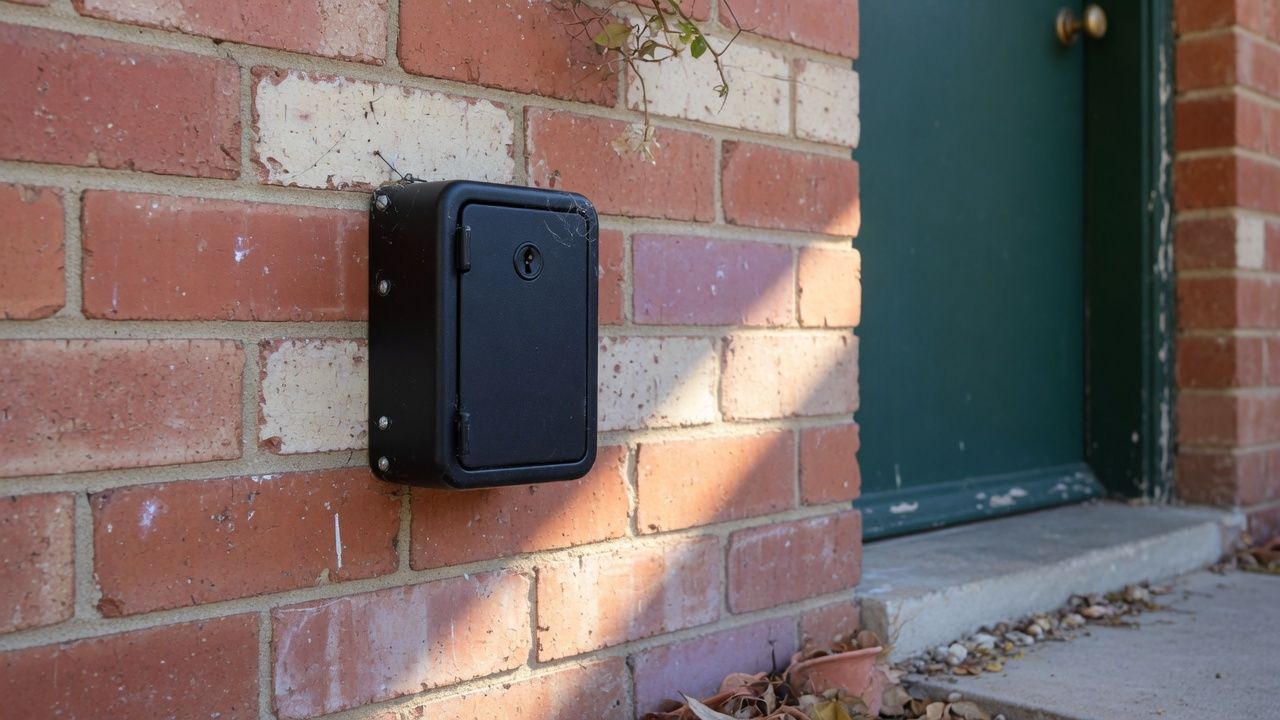


In home care, the front door is part of the clinical and safety system. Key safes home care arrangements, spare keys, garage remotes and door codes give workers lawful access when the client cannot answer. They also create theft, privacy, assault and missing-person risks if custody is casual. A clear home entry protocol turns access from an informal favour into a controlled process.
This article is for providers who hold or share access devices for Support at Home and other home services. It covers authority to enter, key safe and code custody, registers, lost-key response, after-hours entry, and how entry rules interact with privacy and elopement risk.
Key Takeaways
- Document who authorised access, for what purpose, and which devices exist before the first unaccompanied entry.
- Treat keys, codes and remotes as controlled items with a live register, issue and return rules, and audit.
- Separate “can open the door” from “should enter now” using welfare, consent and missing-person procedures.
- Lost or compromised access must trigger immediate code change, client notice and incident review.
- Privacy and property duties apply every time a worker enters an empty or vulnerable person's home.
Why Uncontrolled Keys Are a High Incident Class
Home entry incidents rarely start with malice. They start with a code written in a shared notebook, a key left on a supervisor's desk, a former worker who still knows the PIN, or a family member who changed the lock without telling the provider. Outcomes include unauthorised entry allegations, missing cash or medications, delayed welfare checks, and workers entering situations they were not briefed for.
Your entry protocol should sit with privacy and property controls, including the Privacy and Confidentiality Policy Template and the Personal Property and Valuables Policy Template. Access is both a safety tool and a custody of trust.
Consent and Documented Authority
Before any key safe is installed or any spare key is accepted, record:
- who has legal or practical authority to grant access (client, attorney, guardian, as applicable)
- purpose of access (scheduled care, emergency welfare, medication support)
- whether entry is allowed when the client is absent
- which rooms or areas are in scope
- how long authority lasts and how it is withdrawn
Do not rely on a verbal “just use the key under the pot”. If the client has limited capacity, follow your supported decision-making and consent procedures and record who was involved. Entry authority should appear in the care plan and the field system so night staff are not guessing.
Key Safes, Codes and Device Custody
Prefer provider-managed patterns over ad hoc household hiding places:
- Key safe: fixed, weather-rated where needed, code known only to authorised roles, code rotated on staff change and on compromise.
- Physical keys: tagged without client address in plain text on the fob, stored in controlled cabinets when not issued, signed in and out.
- Digital codes and apps: unique where the technology allows, no shared “team PIN” that never changes, revoke on exit of staff or subcontractors.
Dual control helps for high-risk clients: one role holds the code path, another authorises after-hours use. Avoid printing full address-plus-code pairs on rosters that leave the building.
Registers and Audits
Run a live access register with client identifier, device type, location of safe, code version or key ID, authorised roles, issue history, last rotation date, and withdrawal date. Audit monthly for leavers who still appear, codes older than your rotation rule, and clients with access but no current consent. Subcontractors must be on the same register rules, not a parallel informal list.
Lost, Stolen or Compromised Access
Define a same-day response:
- Report through your Incident Management and Reporting Policy Template pathway.
- Change codes or re-key as soon as practical.
- Notify the client and authorised contacts.
- Review who had access in the relevant window.
- Check whether property, medications or records may have been exposed.
A compromised code that is left “until next week” is an open incident, not a maintenance task.
Entry When the Client Cannot Answer
Having a key is not automatic permission to walk through the house. Pair entry protocol with welfare escalation and lone-worker rules. On-site steps, call attempts, and when to enter should match the client's risk tier and the authority on file. See Lone Worker Safety When the Client's Home Is the Workplace for worker-side controls while entry is underway.
If the client may have left the property, or access suggests confusion or absconding risk, follow your Elopement and Missing Person Policy rather than only completing the personal care task and leaving.
Family Disputes and Changing Locks
Families sometimes demand keys, block workers, or change locks during conflict. Your protocol should state that access changes need verified authority, that staff do not mediate property disputes beyond safety and service impact, and that service may need temporary redesign if safe access is withdrawn. Record every change to devices and authority with date and source.
Privacy Inside the Home
Workers who enter empty homes still handle sensitive information: mail in view, medication lists, photos, financial papers. Train staff to enter only for the authorised purpose, avoid unnecessary rooms, not photograph premises without a clinical or incident reason under policy, and report any property disturbance immediately. Privacy complaints about entry are a known risk class for home services and attract attention from both the Commission and, for personal information handling, the Office of the Australian Information Commissioner. Quality and safety oversight for aged care providers remains with the Aged Care Quality and Safety Commission.
Training Scenarios Staff Should Rehearse
Classroom policy is not enough. Run short scenario drills in orientation and yearly refreshers so workers rehearse the awkward moments before they meet them alone on a porch.
- Client not answering, evening personal care due: worker follows call protocol, checks authority to use the key safe, enters only as far as the welfare check requires, and escalates if the client is missing or injured.
- Family demands the provider code during a dispute: worker does not share codes on the doorstep, refers to the office, and logs the request.
- Key will not turn after a lock change: worker does not force entry, notifies on-call, and opens a same-day access incident so the register is updated.
- Former casual still knows the PIN: manager rotates the code, audits who was told, and checks whether any unexplained entry reports exist.
Score the drill on whether the worker protected privacy, followed authority limits, and left a complete note. A fluent verbal answer with a weak note still fails the exercise.
Subcontractors and Shared Access
Brokered workers create the longest access chains. If a third party can open the door, they must appear on the same register, complete the same orientation module, and lose access on the same day their assignment ends. Do not allow a subcontractor office to keep a parallel spreadsheet of client codes. When the head contract ends, treat bulk access withdrawal like a controlled project: list every client device, rotate codes, collect keys, and confirm in writing.
Service agreements and third-party clauses should say that access devices remain under the approved provider's custody rules even when a brokered worker attends. If a partner refuses those terms, do not share unrestricted entry methods.
Technology Choices Without Over-Promising
Smart locks can improve rotation and audit trails when they log who entered. They also fail on poor coverage, dead batteries, or clients who cannot manage apps. Choose technology for your client group, keep a backup entry method, and remember authority and welfare judgement are not automated away.
What Good Looks Like in the Client File
A strong access file shows consent or authority, device inventory, last rotation, who may enter, after-hours rules, and linked incidents. Audit access files on a schedule like medication charts. Put a one-page worker view in the field app covering entry method, limits, and who to call.
Related Resources
- Privacy and Confidentiality Policy Template
- Personal Property and Valuables Policy Template
- Elopement and Missing Person Policy
- Incident Management and Reporting Policy Template
- Lone Worker Safety When the Client's Home Is the Workplace
- Aged Care Quality and Safety Commission
- Office of the Australian Information Commissioner
Frequently Asked Questions
Do we need written consent for a key safe?
Yes. Record who authorised access, purpose, scope and duration. Verbal-only arrangements are weak when something goes wrong.
Should every client have a key safe?
No. Use access devices when care design needs them and authority exists. Many clients prefer to open the door themselves. Force of habit is not a clinical reason.
Can families keep a copy of the provider code?
Only if your risk design allows shared codes and the register reflects it. Shared codes raise compromise risk. Prefer family-owned devices separate from provider-controlled codes where practical.
What if a worker loses a client key?
Treat it as an incident: notify, re-secure access, review exposure, and document. Do not wait for the end of shift.
Can we enter at night using the key safe for a welfare check?
Only within documented authority, risk tier rules and escalation procedure. Entry power is not a substitute for clinical judgement or emergency services where immediate harm is likely.
How often should codes be rotated?
Set a maximum interval in policy and always rotate on staff or subcontractor exit, suspected compromise, and client or family request after conflict.
Control the Door Before You Control the Roster
Key safes and home entry protocols protect clients, workers and the organisation every time care happens behind a private door. Put authority in writing, run a live register, rotate access when people leave, escalate lost devices the same day, and pair entry with welfare and privacy rules. That is how home access stays a safety control instead of an open risk.


