

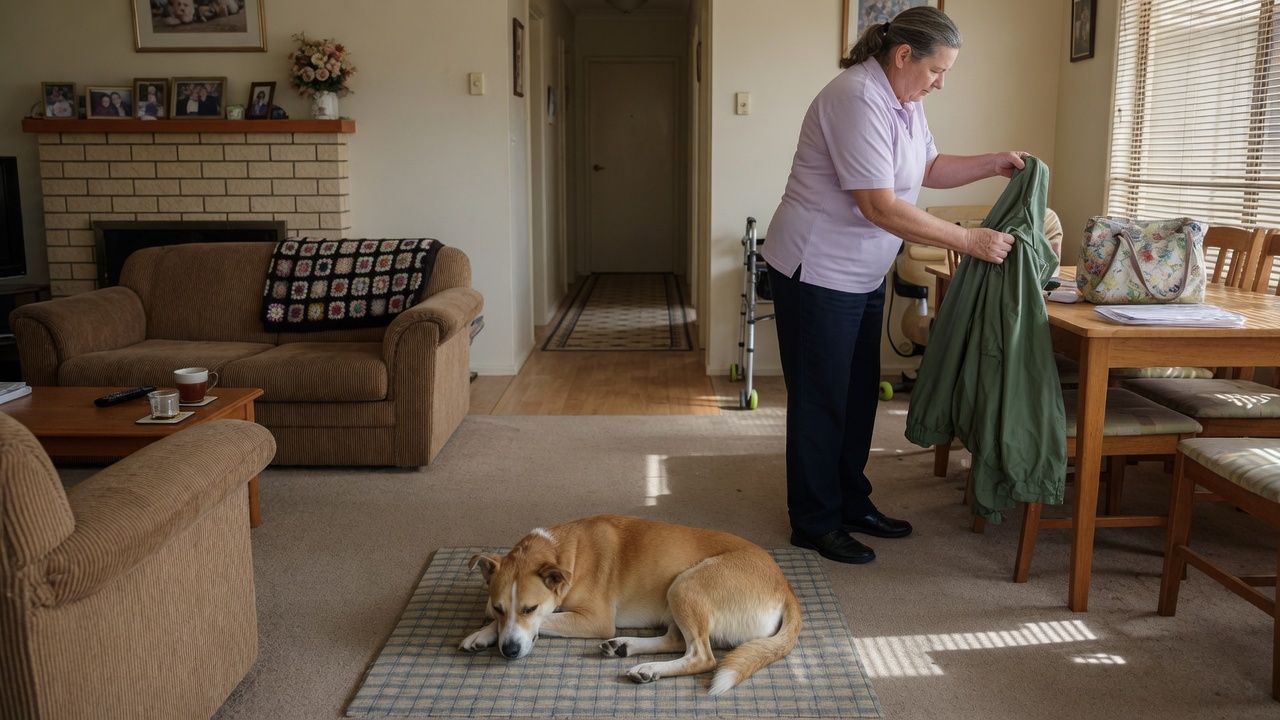


For many clients, a dog or cat is family. For home care workers, that same animal can bite, trip, trigger asthma, or block a hallway during a transfer. Pets home care visits need a written approach that respects companionship and still meets work health and safety duties in a private home.
Use your pets and companion animals policy with your work health and safety policy, infection prevention and control policy, and home environment risk assessment rules. Worker-side controls also connect to our guidance on lone worker safety in the client's home.
Key Takeaways
- Ask about animals before the first visit and keep the answer on the roster profile.
- Set controls: secured room, leash, muzzle where appropriate, or alternate worker matching.
- Take bite, scratch, zoonosis and allergy risks seriously in incident and IPC processes.
- Staff may decline to enter when animal controls fail and residual risk is high.
- Document agreements with clients so dignity of risk does not silently transfer injury risk to workers.
Animals as Wellbeing and Hazard
Companion animals can reduce loneliness and support routine. They can also jump during personal care, protect the client aggressively, or leave waste that raises infection risk. The goal is not a pet ban by default. The goal is predictable controls that match the animal, the task and the worker.
Pre-Visit Questions
At intake and environment assessment, record species, number, temperament history, bite history, vaccination status if known, where the animal will be during care, and any worker allergy constraints. Update after a new pet arrives or after any incident. Safe work principles for workplace hazards are reflected in national guidance from Safe Work Australia, applied through your state WHS regulator and policy.
Controls During Care
- secure the animal in another room before personal care or transfers
- ask the client or family to manage the animal if they are present and able
- avoid unplanned feeding or play that changes animal behaviour mid-visit
- keep bags and medication kits off the floor when chewing risk exists
- end the visit and escalate if control is refused and risk is elevated
Bites, Scratches and Infection
Any bite or scratch is a clinical and WHS event: first aid, medical review as indicated, incident report, and tetanus or other medical follow-up per advice. Clean-up of animal waste during domestic support needs IPC discipline. Do not normalise “the dog always nips strangers” as an acceptable ongoing control failure.
Allergies, Fear and Matching
Workers with allergy or genuine fear responses need a matching pathway, not pressure to “get used to it”. Where possible, reassign. Where the only available workers cannot attend, redesign the service with the client rather than forcing unsafe attendance.
Client Rights Versus Staff Safety
Clients can prefer to keep animals present. Providers can set conditions for safe service. If conditions cannot be met, use a planned conversation about service limits, not a surprise cancellation after a worker is already injured. Quality and safety oversight for aged care providers sits with the Aged Care Quality and Safety Commission.
Species-Specific Notes Without Stereotypes
Dogs, cats, birds and reptiles present different risks. Dogs more often cause bite and trip injuries during arrivals. Cats may scratch during bed care. Birds and cages create respiratory and cleaning issues. Large animals on lifestyle properties need entirely different site rules. Train staff to assess the individual animal and environment rather than applying a single “pets are fine” or “pets are banned” slogan.
Incident Aftercare for Workers
After a bite or serious scratch, managers should support medical care, early incident filing, and a no-blame look at whether controls were documented and followed. Workers who fear reporting because they “do not want the client to lose care” will hide injuries until infection or trauma is worse. Make it explicit that reporting protects both the worker and future workers attending that home.
Service Agreements and Animal Conditions
Where animals are present, include plain animal control conditions in the service agreement or care plan annex: secured during personal care, waste management expectations, and what happens if conditions are broken repeatedly. Conditions should be explained at start of service, not sprung on a client after an ultimatum. Review them when a new animal arrives.
Equipment Damage and Medication Risk
Animals chew tubing, topple frames, and investigate medication kits left on the floor. Add kit placement rules to pet homes: bags on high surfaces, doors closed, never leave controlled medicines unattended in a room with an animal. Damaged client equipment should be reported the same day so replacements and interim safety plans start immediately.
Community Expectations and Communications
Some clients worry that disclosing a dog will mean service refusal. Public-facing and intake language should say you work with many pet households and need honest information to keep everyone safe. That message increases disclosure. Threat-only messaging drives concealment, which is how workers walk into avoidable harm.
Multiple Animals and Hoarding Overlap
Homes with many animals can cross into environmental health and hoarding risk: ammonia odour, faeces, parasites and blocked exits. Workers should not be left to decide alone whether the home is still a safe workplace. Use environment assessment escalation, clinical governance and, where needed, external notifications consistent with law and policy. Animal affection does not cancel infection or fire egress risk.
Visiting Workers With Their Own Animal Trauma
Some staff have prior bite trauma. Matching systems should allow private disclosure and avoid forcing exposure as a test of toughness. Supervisors should treat this like other fitness-for-task constraints. A hidden trauma response mid-transfer helps nobody.
Insurance, WHS and Claim Pathways
Worker injury from animals should route through your WHS and workers compensation pathways without delay. Managers should not trade medical care for informal promises that the client will “keep the dog outside next time”. Capture photos of the environment only under privacy rules if needed for the claim, and focus first on care for the worker and immediate control changes for the next visit.
Review animal-related incidents quarterly for repeat addresses and weak intake disclosure.
Finally, include animal controls in spot audits and buddy shifts so practice matches the care plan, not only the intake form completed months earlier.
Related Resources
- Pets and Companion Animals Policy
- Work Health And Safety Policy
- Infection Prevention and Control Policy Template
- Support at Home: Home Environment Risk Assessment Policy Template
- Lone Worker Safety When the Client's Home Is the Workplace
- Aged Care Quality and Safety Commission
- Safe Work Australia
Frequently Asked Questions
Can we refuse service because of a pet?
You can pause or redesign service when residual risk to workers is high and agreed controls are not in place. Do that through a planned pathway with clear communication, not informal avoidance.
Should pets be restrained for every visit?
Controls should match risk and task. High-risk personal care near an anxious dog usually needs separation. Low-risk social support may need lighter controls if history is stable and documented.
What if the client says the animal is friendly?
Still record history and set controls. Many bite incidents involve animals described as friendly.
Do we need pet details on the roster?
Yes. Workers should not discover a large dog only when the door opens.
How do allergies get managed?
Through disclosure, matching, and alternative arrangements. Do not require workers to accept known medical triggers as a condition of shifts.
Is a bite always an incident?
Yes. Treat bites and relevant scratches as incidents with medical and WHS follow-up.
Agree the Animal Plan Before the First Knock
Pets and companion animals during home care visits can support clients without injuring staff when risk is named early, controls are practical, and refusal rights cut both ways. Put animals on the environment assessment, write the control into the visit plan, and escalate failed controls before someone is hurt.


