

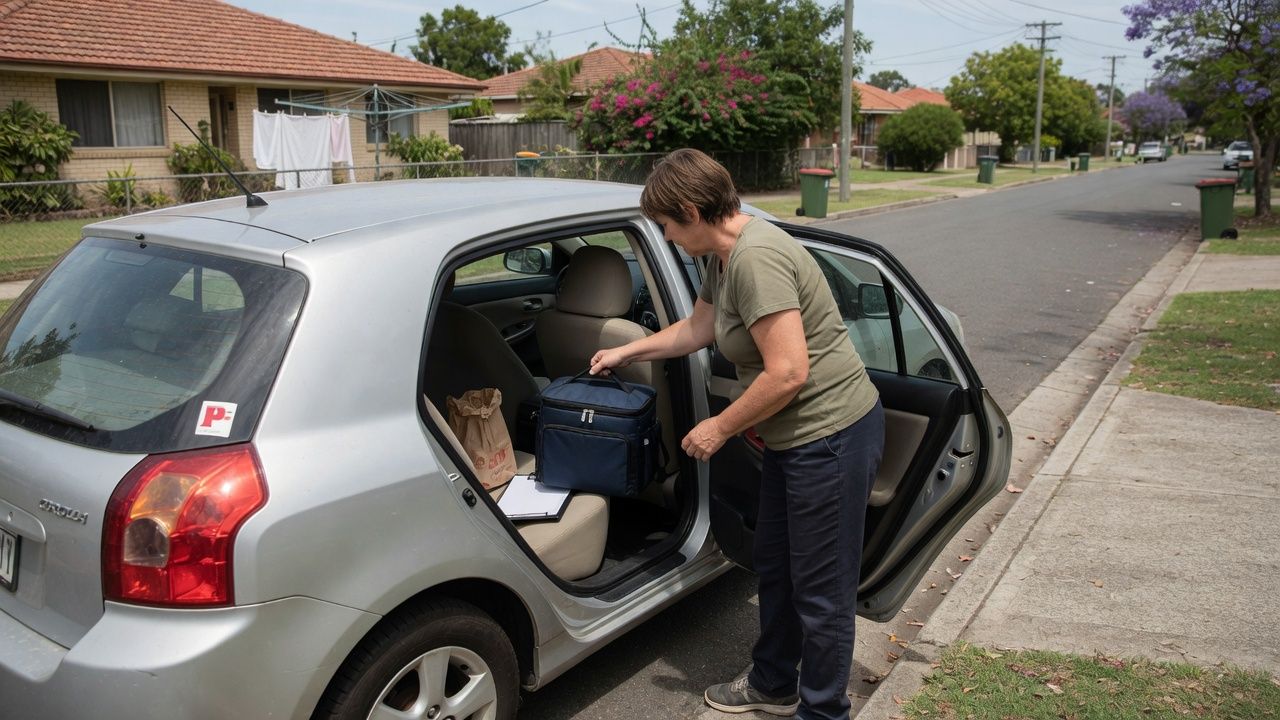


Home care medication safety does not end at the blister pack on the kitchen bench. Between the pharmacy, the depot and the client, medicines often travel in a car that also holds lunch bags, phones and spare gloves. Medication cold chain home care controls, secure storage and count checks are what stop heat damage, diversion and mix-ups before administration even starts.
This article focuses on transport and temporary storage in vehicles and transitional holding, not the full in-home administration workflow covered in Home Care Medication Safety: Minimizing In-Home Risk. Align procedures with your Medication Management Policy Template and Consent for Medication Policy.
Key Takeaways
- Define what staff may transport, under whose authority, and which products need cold chain monitoring.
- Never leave medicines in a hot or unattended vehicle outside approved short windows and containers.
- Separate client-owned stock from provider-held stock in both process and packaging.
- Apply S8 and other high-risk count checks in the field with the same seriousness as in a facility drug room.
- Treat cold chain breaks and lost stock as incidents with quarantine and clinical follow-up, not quiet replacements.
Possession, Transport and Role Boundaries
Not every support worker should carry medicines. Procedure must state which roles may transport which schedule classes, what training is required, and when a nurse or pharmacy courier is the correct channel. Consent for administration is not the same as authority to store and move stock. Keep role boundaries visible in the roster system so a last-minute shift swap does not create an untrained courier.
Regulatory product rules and scheduling sit with national medicines regulation through the Therapeutic Goods Administration, while aged care quality expectations are overseen by the Aged Care Quality and Safety Commission. Do not invent schedule handling rules that conflict with state medicines and poisons law; confirm local requirements in your medication policy annex.
Vehicle Storage Standards
Minimum practical controls:
- dedicated, clean, closable medication bag or lockbox, not a mixed shopping tote
- opaque storage so labels are not on public display through windows
- secured so bags cannot slide, tip or leave the vehicle with a door slam
- no storage against bare metal that overheats in sun
- hand-over of bag custody when the worker leaves the vehicle for long indoor tasks if policy requires it
Link vehicle medication rules to your Work Health And Safety Policy for heat, manual handling of kits and lone travel with controlled stock.
Cold Chain in Practice
Fridge-line products (for example some insulins and other refrigerated medicines, where prescribed for transport under your model of care) need a validated pattern: insulated container, cool packs that do not freeze the product against ice, temperature indicator where your policy requires it, and maximum out-of-fridge time. Train staff that “it felt cool” is not a record. If a break is suspected, quarantine, contact the clinical lead or pharmacist pathway, and do not administer by guesswork.
Write summer rules explicitly. Australian vehicle cabins exceed safe medicine temperatures quickly. A short client visit can still ruin stock left on a dashboard.
S4, S8 and Count Checks in the Field
Where workers transport or witness controlled medicines, use:
- pre-departure count against the register or electronic record
- tamper-evident packaging where used
- two-person check at hand-over points when policy requires it
- post-visit count and waste or return documentation
- same-day escalation for discrepancy
Diversion risk is higher in cars than in a locked drug room because custody chains are longer and interruptions are common. Make the count step unavoidable in the digital workflow, not a paper form staff complete at week end.
Client-Owned Versus Provider-Held Stock
Label and process must show ownership. Client-owned medicines collected from pharmacy for that person should not be pooled with depot stock. Provider-held imprest, if any, needs its own register. Mixing the two is a common root cause of administration to the wrong person and of audit failure.
Waste, Returns and Incidents
Define how damaged, expired, refused or temperature-compromised stock is returned or destroyed, who authorises it, and what the client is told. Record cold chain breaks and lost bags under your Incident Management and Reporting Policy Template, including clinical impact assessment for missed or delayed doses.
Building a Practical Transport Kit Standard
Write a kit standard so every approved medication carrier looks the same. Include a closable insulated section, a room-temperature section, a spill sheet, a small sharps plan if relevant to your model, gloves, and a waterproof outer shell. Ban decorative tote bags and reused grocery coolers that cannot be cleaned. Colour-code or label exteriors without displaying medicine names to the public.
Depot issuing should check kit condition the same way it checks first aid kits: cracked foam, missing cool packs, and broken zips are defects. Workers should be able to reject a failed kit before leaving the yard without being made to feel difficult.
Summer and Regional Travel Rules
Long regional runs change the risk profile. A thirty-minute city hop is not the same as a two-hour inland trip in February. Set maximum journey times for refrigerated products, require pre-chilled packs, and plan pickup timing so product is not collected hours before the visit “for convenience”. Where distances make provider transport unsafe, use pharmacy delivery or nurse courier models instead of hoping a car air-conditioner will hold the chain.
Record outside temperature band or a simple heat flag on high-risk days if your system supports it. The point is not paperwork theatre. The point is to make extreme-heat transport a conscious decision.
Handover Between Workers Mid-Run
Shift overlaps and split runs create custody gaps. If worker A collects from pharmacy and worker B administers after lunch, the hand-over must include count, temperature status, and seal check. Do not leave a bag in a supervisor's office fridge with a sticky note. Name the temporary custodian in the system. Missing hand-over steps are how schedule medicines go missing without a clear last responsible person.
Client Education Without Shifting Blame
Clients and families often offer to “just keep it in our fridge” or “leave it on the bench for the evening carer”. Explain what your policy allows, what temperature and security risks look like in plain language, and what will happen if product is compromised. Do not scold people for domestic habits. Do set boundaries when a proposed storage method would make the dose unsafe or unaccountable.
Where client-owned storage is accepted, note fridge location, known risks (overcrowded fridge, children in home, frequent power cuts in the area), and the check the worker must complete before use.
Metrics Worth Reviewing Monthly
- cold chain incidents and product waste attributed to transport
- count discrepancies on field-handled S8 or other controlled items
- kits failed at issue point
- visits delayed because medicine could not be transported safely
- training completion for roles authorised to transport
Take the metrics to clinical governance, not only to operations. Transport failures are clinical supply failures.
Related Resources
- Medication Management Policy Template
- Consent for Medication Policy
- Home Care Medication Safety: Minimizing In-Home Risk
- Incident Management and Reporting Policy Template
- Work Health And Safety Policy
- Aged Care Quality and Safety Commission
- Therapeutic Goods Administration
Frequently Asked Questions
Can support workers carry all client medicines in the car?
Only if role, training and policy allow it for that schedule and product type. High-risk and cold chain items may need nursing or pharmacy channels.
What is a cold chain break in home care transport?
Any time a temperature-sensitive medicine leaves its required range or monitoring fails so you cannot show it stayed in range. Quarantine and get clinical or pharmacy advice before use.
How long can medicines stay in a parked car?
As close to zero as practical outside an approved insulated process. Hot-car storage should be prohibited in policy for ordinary packs.
Do we need counts for S8 medicines on home visits?
Yes where your model involves handling those medicines. Field counts should match the seriousness of facility practice and local medicines law.
What if a medication bag is left at the wrong house?
Treat as an incident: recover, assess exposure, check counts, notify clinical lead and client as required, and review transport labelling.
Is client fridge storage enough for cold chain?
Client fridges vary widely. Policy should state when client storage is acceptable, what to check, and when a product must stay in provider-controlled cold chain until use.
Protect the Dose Before You Give the Dose
Medication storage and cold chain in home care vehicles are upstream controls that decide whether the right product is still safe and accounted for at the point of care. Set role limits, lock down vehicle storage, monitor fridge-line products, count high-risk stock in the field, and escalate breaks as clinical incidents. That is how mobile medication supply stays fit for home services.


