

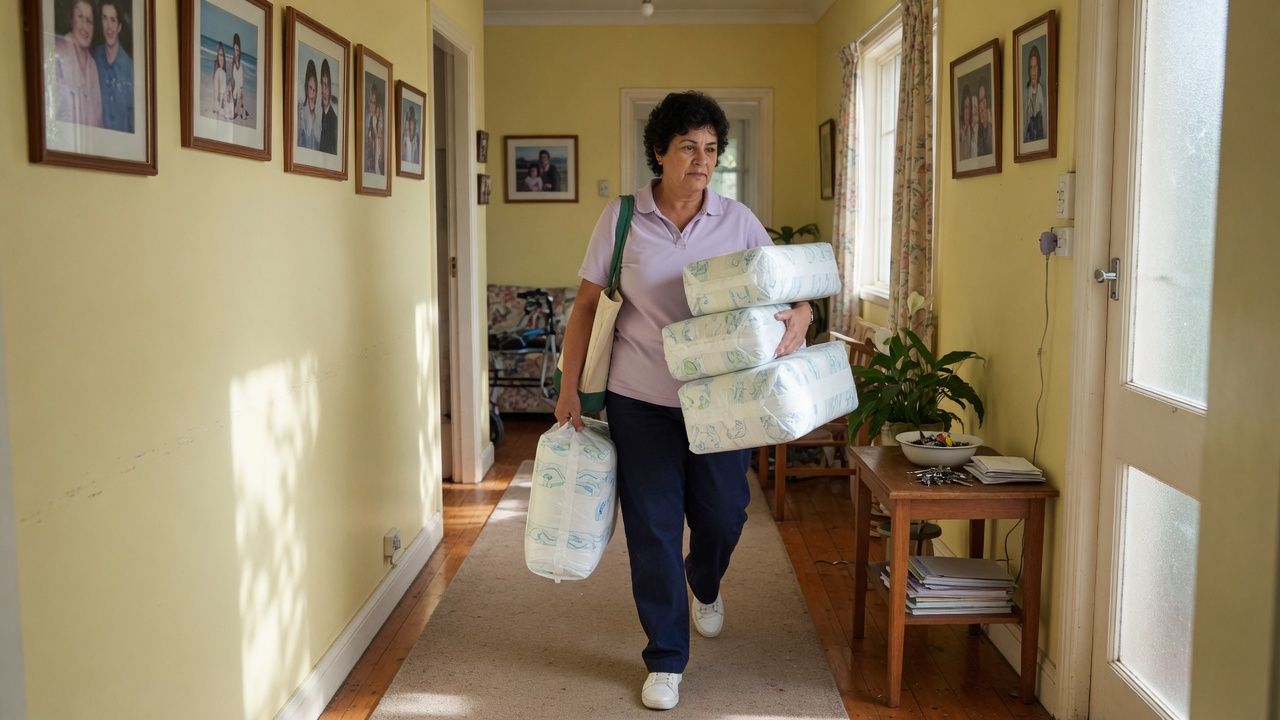


Continence management home care is clinical, practical and personal at once. In a facility, products, laundry and skin checks sit inside a building system. In a private home, the same needs depend on what fits in a cupboard, who does the washing, and whether the worker has time and consent to complete a proper skin review. Weak continence practice shows up later as infections, pressure injuries, odour-related isolation and avoidable hospital transfers.
Build the service against your Continence Management Policy, and connect skin outcomes to the Wound Care Pressure Injury Prevention Policy and Infection Prevention and Control Policy Template.
Key Takeaways
- Start with assessment and goals, not only product brand selection.
- Review skin integrity on a defined schedule and escalate early changes.
- Plan product, disposal and laundry logistics that work in a real kitchen and bathroom.
- Protect dignity and consent in every personal care step.
- Document enough detail that a relieving worker can continue safe care without guessing.
Assessment Before Product Orders
A useful continence assessment covers pattern of incontinence, fluid and toileting habits, mobility, cognition, hand function, skin history, infection history, and what the client wants to achieve (fewer night changes, community outings, less laundry load). Reassess after antibiotics, diuretic changes, urinary tract infection, hospital discharge, or a fall that changes toileting ability.
Where products or equipment are funded through assistive technology or consumable pathways, coordinate with care planning and AT processes. For scheme-level AT-HM rules, use the sibling article on AT-HM Scheme Compliance for Support at Home Providers rather than inventing funding claims in progress notes.
Care Planning in the Home Context
The care plan should state change frequency guidance, product type and size, skin care steps, catheter or appliance tasks if any (and which role may perform them), escalation triggers, and how family carers participate. Avoid vague lines such as “assist with continence”. A relieving worker needs the method, not a slogan.
Hold dignity and choice through your Consumer Rights Dignity Choice Policy: preferred language, gender of worker where reasonable, and how the client wants privacy managed when others are in the house.
Skin Integrity and Infection Risk
Moisture-associated skin damage and pressure injury risk rise when changes are delayed, products are wrong size, or cleansing is harsh. Train staff to report redness, broken skin, odour change, pain and fever the same day. Connect continence notes to wound and IPC pathways instead of leaving skin comments only in free text that nobody trends.
Hand hygiene, glove use, waste bagging and clean-to-dirty workflow matter more in small bathrooms with limited bench space. Stock a simple kit list so workers are not improvising with household towels that then return to shared use.
Product and Laundry Logistics
Home logistics fail when orders arrive in bulk the client cannot store, or when disposal bags fill a kitchen bin used for food waste. Agree storage location, reorder lead times, and whether the worker or family manages stock counts. For reusable products, clarify laundry responsibility and infection separation rules. For disposables, clarify clinical waste versus household waste under local rules and your environmental procedures.
When to Escalate
Escalate to continence nurse, GP or nurse practitioner pathways for recurrent urinary tract infection, new retention suspicion, catheter problems, unexplained weight loss with toileting decline, or skin breakdown. Do not wait for the next scheduled care plan meeting when red flags appear mid-cycle.
Documentation That Survives Audit
Notes should show assessment date, product and size, skin findings, client response, stock issues, and escalations. Quality reviewers and the Aged Care Quality and Safety Commission look for continuity across workers, not only a polished policy. Department of Health program context for aged care home supports sits with Australian Government Department of Health and Aged Care materials where funding and program settings apply.
Working in Small Bathrooms and Shared Houses
Many home bathrooms cannot fit a worker, a client, a frame and a change trolley. Plan the body mechanics and product layout before the first assisted change. Decide where clean product sits, where waste goes, and how the client is covered for dignity when doors do not lock or housemates walk through. If the space is unsafe for a required technique, escalate for equipment, rostering two-person care, or a different care method rather than forcing a one-person improvisation.
Shared houses and culturally complex households need extra privacy planning. Agree who may be present, how to signal that personal care is in progress, and what language staff should use when asking others to step out.
Night Changes and Fatigue Design
Overnight continence support is where shortcuts appear: delayed changes, incomplete skin checks, and thin notes. If the care plan requires night changes, the roster must fund the time. If the client declines night disturbance, document the discussion, skin monitoring plan, and product strategy that still protects skin as far as agreed. Silent under-delivery - roster shows support that never happens - is worse than an honest, agreed limit.
Catheters, Appliances and Role Clarity
Not every support worker may manage catheters, stoma appliances or irrigation tasks. Put role limits in the care plan and the medication or clinical task list. When a balloon fails, a bag leaks, or output changes suddenly, workers need a clear escalate-to-nurse path and after-hours rule. Mixing “help with bag emptying” and “change the device” without training boundaries is a common source of both clinical harm and industrial risk.
Odour, Laundry and Social Isolation
Odour problems are clinical and psychosocial. They drive clients to skip outings and families to criticise workers. Address root causes: product fit, change frequency, skin issues, laundry turnaround, and ventilation. Do not respond only with air freshener. Where laundry support is part of the service, define separation of soiled items and clean clothing so infection control is real in a single laundry tub household.
Quality Indicators Inside the Provider
Track urinary tract infection escalations linked to continence clients, pressure injury stage changes in moisture risk groups, product stockouts, and complaints about dignity during personal care. Review them in clinical governance with continence competence training status. Continence is too often treated as domestic work. In home care it is a core safety system that needs the same attention as falls and medication.
Onboarding Clients With Existing Product Routines
Many clients already have a product brand, change routine and family method before your service starts. Do not rip that up on day one without assessment. Observe what works, note skin condition, and change only what safety requires. Sudden product swaps can cause leaks, distress and complaints even when the new product is clinically reasonable. Plan transitions with trial periods and clear review dates.
When hospital discharge sends a client home with temporary continence needs, set a short review cycle. Temporary should not become permanent by neglect.
Related Resources
- Continence Management Policy
- Wound Care Pressure Injury Prevention Policy
- Infection Prevention and Control Policy Template
- AT-HM Scheme Compliance for Support at Home Providers
- Consumer Rights Dignity Choice Policy
- Aged Care Quality and Safety Commission
- Australian Government Department of Health and Aged Care
Frequently Asked Questions
Who should assess continence needs in home care?
A competent clinician or trained assessor under your clinical governance model, with GP or continence specialist input when complexity rises.
How often should skin be checked?
Set a schedule based on risk and product use, and check whenever a change occurs if the client consents. High-risk skin needs more frequent review than stable low-risk care.
Can family carers handle all product changes?
Sometimes, with training and a clear plan. Provider staff remain responsible for the services you are funded and rostered to deliver, and for escalating problems they observe.
What if the client refuses recommended products?
Record the discussion, risks explained, alternatives offered and the agreed plan. Revisit when skin or infection outcomes change.
Do continence products always go through AT-HM?
Not always. Funding pathways differ by product and program settings. Confirm against current scheme rules rather than assuming every pad order is AT-HM.
What belongs in the progress note after each visit?
What was done, skin or comfort findings, stock status, client preferences honoured or declined, and any escalation. Enough for the next worker to continue safely.
Make Continence Care Plan-Led, Not Product-Led
Continence management in home care services works when assessment drives products, skin and infection controls are active, logistics fit the house, and dignity stays non-negotiable. Write the method into the care plan, train for small bathrooms and real families, and document so every worker continues the same safe pattern.


