Veteran and War Widow/Widower Pensioners in Aged Care
Aged care services are available to support older Australians, including those who have served in the military or who are spouses of those who have served. The term “Veteran and war widow/widower pensioners” refers to a group of people who may have specific entitlements and access points for aged care, often through the Department of Veterans' Affairs (DVA), in addition to general government-funded services.
Understanding the meaning of this group and how their status affects their access to support is important when planning for aged care.
Who are Veteran and War Widow/Widower Pensioners?
Veterans are former members of the Australian Defence Force who meet certain criteria relating to their service. They may be eligible for a range of pensions, payments, and services from the DVA.
War widows and war widowers are spouses or partners of deceased veterans who have been granted a War Widow/er’s pension. This pension is granted in recognition of the veteran's death being service related.
The term "pensioners" in this context signifies that they are receiving financial support related to their or their late partner’s military service, which can influence their financial assessment for aged care fees.
Accessing Aged Care Services
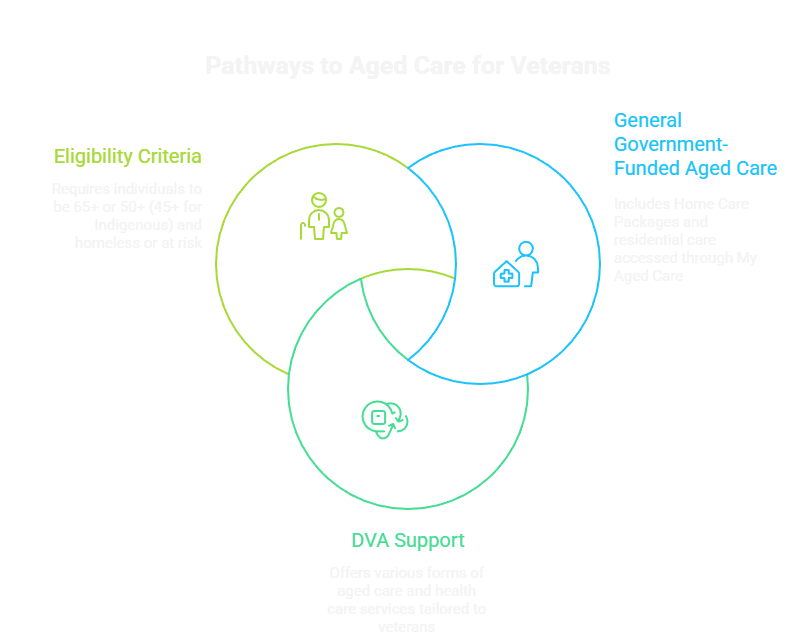
Older veterans and war widow/widowers are generally eligible to access the same government-funded aged care services as other Australians, provided they meet the standard eligibility criteria. These criteria typically require a person to be 65 years and over, or 50 years and older (or 45 years and older if Aboriginal or Torres Strait Islander) and homeless or at risk of homelessness.
Veterans and war widow/widowers have two potential routes for support:
- General Government-Funded Aged Care: This includes Home Care Packages and residential aged care, accessed through My Aged Care and requiring an assessment. Some aged care providers may specifically tailor their services to meet the background and needs of veterans.
- Department of Veterans' Affairs (DVA) Support: The DVA offers various forms of aged care support, health care, and other services that veterans and war widows/widowers may be eligible for, depending on their specific needs and situation. The assessment processes for DVA-funded services can differ from the general My Aged Care process.
How Pension Status Affects Aged Care Fees
When a person enters residential aged care or receives a Home Care Package, their income and assets are usually assessed to determine if they need to contribute towards the cost of their care.
For a veteran or a war widow/widower, the War Widow/er’s pension is generally treated as income when calculating aged care fees. However, there is an exception to this rule: if the war widow/er is also a veteran in their own right with qualifying service, the pension may be treated differently.
It is strongly recommended that individuals receiving DVA pensions seek financial advice or contact the relevant government body to understand precisely how their pension will be treated in their individual aged care fee calculation.
Understanding the Importance in Aged Care
Recognizing this group of pensioners allows aged care providers and support systems to address their unique circumstances. Providers who offer tailored care understand the potential health needs related to military service and can offer support that respects their identity and culture as veterans or war widows/widowers. This recognition helps ensure that this group receives respectful and appropriate care.
Frequently Asked Questions
Can veterans receive aged care through both My Aged Care and the DVA?
Yes, older veterans can often access services funded by My Aged Care and support funded by the Department of Veterans' Affairs (DVA). The types of services they receive depend on their individual care needs and eligibility for each program.
Do war widow/er pensions count as income for calculating aged care fees?
Generally, yes. The War Widow/er’s pension is usually assessed as income when calculating a person’s aged care fees, though exceptions apply if the recipient is also a veteran with qualifying service.
How does a veteran or war widow/widower start the aged care process?
They can start the process by contacting My Aged Care to arrange an assessment for government-funded services, and they should also check their eligibility for support programs available through the DVA.