FND: Understanding Food, Nutrition, and Dining in Aged Care
Key Takeaways
- FND stands for Food, Nutrition, and Dining.
- It is a specific focus area for the Aged Care Quality and Safety Commission to ensure older people eat well.
- The concept covers the safety of food, the health value of meals, and the enjoyment of the dining experience.
- Providers must listen to the preferences of older people when designing menus and mealtime routines.
FND stands for Food, Nutrition, and Dining. In the context of the Australian aged care sector, it refers to the holistic approach providers must take to ensure older people receive safe, nutritious meals in an enjoyable dining environment.
The Three Pillars of FND
This term combines three distinct but connected elements of care. To meet quality standards, you must address all three areas rather than focusing on just one.
1. Food
This refers to the physical meals and ingredients provided to older people.
- Safety: Ensuring food is stored, prepared, and served safely to prevent illness.
- Quality: Using fresh ingredients and offering meals that look and taste good.
- Variety: Rotating menus so older people do not have to eat the same meals repeatedly.
- Choice: Offering different options at mealtimes so individuals can decide what they want to eat.
2. Nutrition
Nutrition focuses on the health impact of the food. It ensures that the diet supports the physical needs of the older person.
- Dietary Needs: Catering to specific requirements, such as diabetic-friendly meals or gluten-free options.
- Texture Modification: Preparing food that is safe for people with swallowing difficulties (dysphagia).
- Hydration: Ensuring people drink enough fluids throughout the day.
- Malnutrition Prevention: Monitoring weight and intake to stop unintended weight loss.
3. Dining
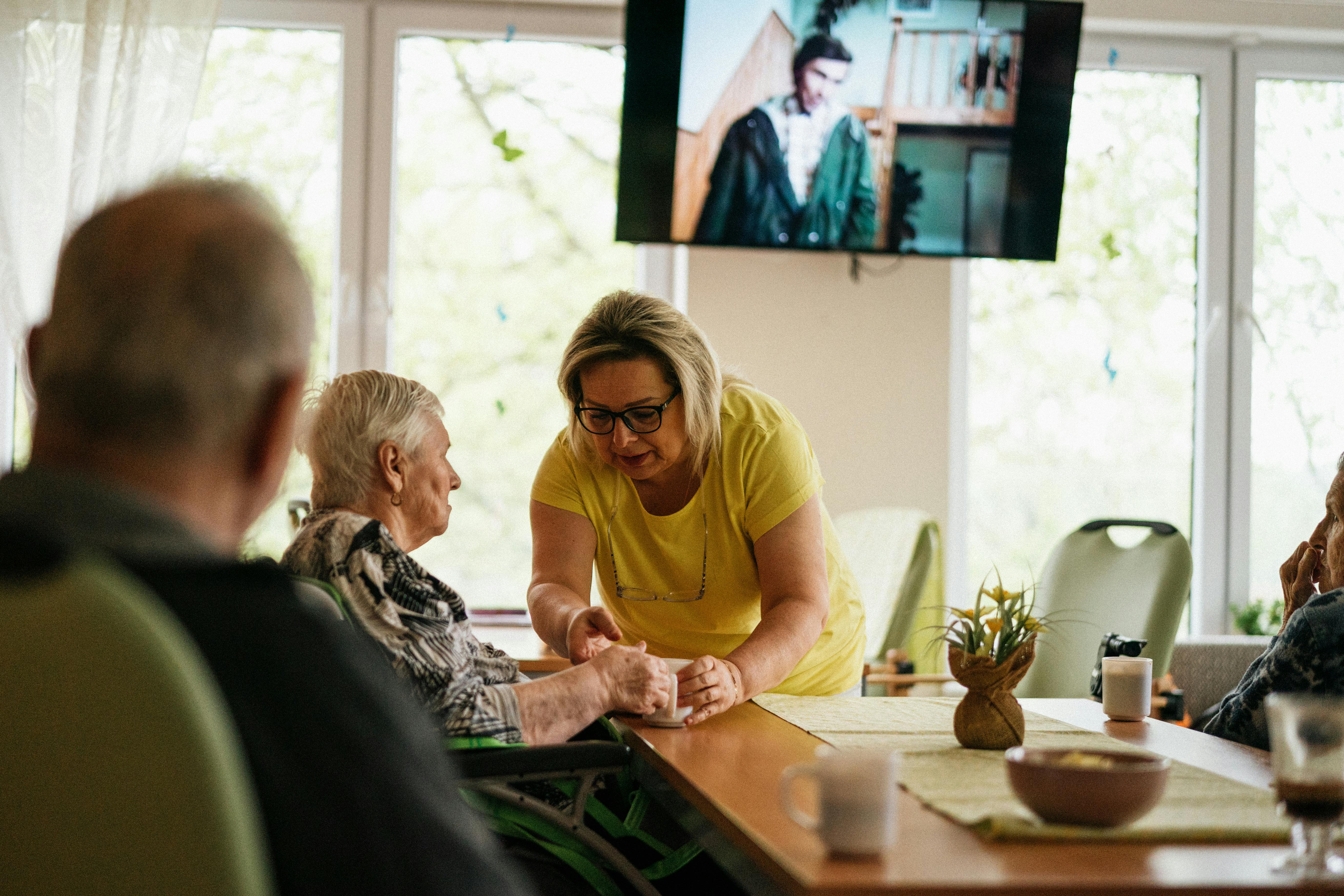
Dining refers to the experience and environment in which food is eaten. It recognizes that eating is a social and emotional activity, not just a biological necessity.
- Atmosphere: Creating a space that is calm, welcoming, and set up like a home rather than a hospital.
- Social Interaction: Encouraging engagement between residents during meals.
- Support: Providing the right level of help for those who need assistance with eating.
- Dignity: Respecting how a person wants to eat and allowing them time to finish without rushing.
Why FND Standards Are Essential
The Aged Care Quality and Safety Commission places a high priority on FND because it directly impacts the quality of life for older people. Poor management of these areas can lead to serious health risks.
- Physical Health: Proper nutrition prevents falls, improves wound healing, and boosts the immune system.
- Mental Wellbeing: Enjoyable meals can reduce feelings of loneliness and depression.
- Consumer Rights: Older people have the right to make choices about their daily lives, including what and when they eat.
- Cultural Safety: Food is often a major part of cultural identity. Respecting these preferences helps older people feel at home.
Common Examples of FND in Practice
You will see FND principles applied in various ways across residential and home care settings.
- Menu Reviews: A dietitian reviews the menu to ensure it meets nutritional guidelines.
- Consumer Advisory Bodies: Residents meet with the chef to give feedback on the food and suggest new dishes.
- Protected Mealtimes: A specific time where non-urgent clinical tasks stop so staff can focus entirely on assisting residents with eating.
- Texture-Modified Diets: A resident receives a meal that is soft and easy to swallow but is moulded to look like real food rather than a shapeless puree.
- Cultural Menus: A facility provides specific meals for cultural celebrations or religious requirements.
Synonyms and Related Terms
When researching or discussing this topic, you may hear these related terms:
- Mealtime Experience
- Dietary Requirements
- Clinical Governance (regarding nutrition)
- Standard 6 (Food and Nutrition)
Antonyms (Opposite Concepts):
- Malnutrition
- Dehydration
- Institutionalized Dining
Frequently Asked Questions
Is FND part of the Aged Care Quality Standards?
Yes. Food and dining are central to the Quality Standards. Providers must demonstrate that they are meeting the nutritional and preference-based needs of the people in their care.
Who is responsible for FND in an aged care service?
It is a team effort. The governing body is responsible for the overall system. However, chefs, care workers, registered nurses, and speech pathologists all play a role in delivering good food, nutrition, and dining.
What should I do if I have concerns about FND?
If you are an older person or a family member, you should raise concerns directly with the provider first. If the issue is not resolved, you can contact the Aged Care Quality and Safety Commission to make a complaint.
Improving Health and Happiness Through Better Dining
Focusing on FND is one of the most effective ways to improve the daily lives of older people. When you prioritize high-quality ingredients, sound nutritional planning, and a respectful dining atmosphere, you do more than just feed people. You support their independence, health, and happiness. By adhering to these standards, aged care providers ensure that mealtime remains a highlight of the day rather than a clinical task.