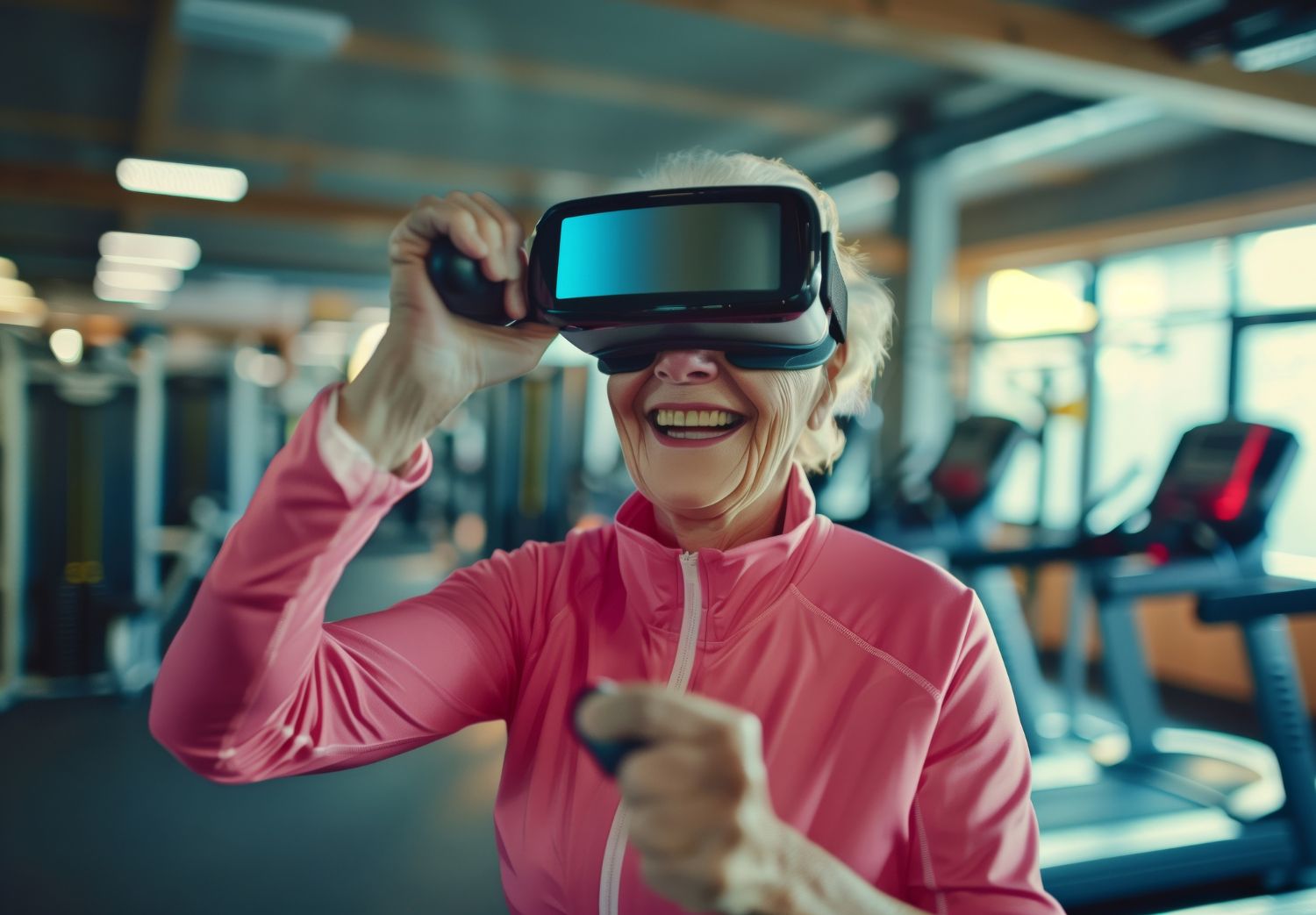


🤖 Transforming Dementia Care: How AI and VR Are Shaping the Future of Memory Support
The aging population presents unique challenges to healthcare systems worldwide, particularly in the domain of cognitive decline and dementia care. Traditional methods, while important, are often strained by the increasing need for personalized, engaging, and calming interventions. A new approach is emerging from the intersection of technology and compassion: the combination of Artificial Intelligence (AI) and Virtual Reality (VR).
This technological pairing is creating a truly revolutionary new frontier for memory care, offering innovative ways to support people living with dementia, soothe agitation, and rekindle positive memories. By transporting seniors into carefully crafted digital environments, AI and VR are changing what it means to live well with cognitive impairment.
Understanding the Power of Reminiscence Therapy
Reminiscence Therapy (RT) is a well-established, non-pharmaceutical treatment for cognitive impairment and dementia. The core concept involves discussing past experiences and memories, often using prompts such as photographs, music, videos, or objects to evoke memories and stimulate conversation [5]. By focusing on long-term memory, which often remains intact longer than short-term memory in individuals with dementia, RT can improve emotional wellbeing and life satisfaction [5].
However, traditional RT can be resource-intensive, requiring caregivers or family members to consistently source and present personalized stimulus materials. This is where AI and VR step in.
Virtual Reality in Dementia Care: More Than Just a Game
Virtual Reality (VR) refers to a simulated experience that can be similar to or completely different from the real world. For seniors, VR goes beyond passive viewing; it allows for immersion in a 3D environment that feels real, engaging multiple senses [1, 2].
In the context of memory care, VR is showing promise as a powerful tool for promoting wellbeing in persons with dementia (PwD), with studies reporting positive or neutral impact on emotional, social, and functional aspects of wellbeing [2].
VR environments offer unique advantages over standard 2D displays:
- Immersive Experience: VR headsets provide a sense of "presence," making the simulated environment feel immediate and real to the user [2].
- Accessibility: VR can transport users anywhere—from their childhood home to a favorite vacation spot—without requiring physical travel.
- Safety and Control: The environment is controlled, reducing the risk of overstimulation or anxiety associated with real-world complexities.
VR providers like Rendever focus specifically on overcoming social isolation and giving seniors the chance to revisit their childhood home, wedding location, or anywhere else from their past using customized reminiscence therapy tools [3].
AI and VR: Creating Personalized, Therapeutic Experiences
The true innovation comes when AI is paired with VR to create immersive “reminiscence therapy” experiences [1]. AI systems can analyze data, personal histories, and preferences to curate and present virtual experiences that are highly meaningful to the individual.
1. AI-Driven Personalization of Stimuli
For RT to be most effective, the stimulus materials must be personalized, relating directly to the user’s youth and significant life events [4]. AI plays a crucial part here:
- Content Curation: AI algorithms can rapidly sort through vast amounts of digital data (old photos, videos, public domain images of historical sites) associated with a person’s life to generate highly relevant virtual scenes.
- Interactive Storytelling: Apps powered by AI can act as a Virtual Assistant (VA), engaging users in personalized conversations and storytelling about their pictures [5]. This conversation feature helps to gently remind and support individuals with memory challenges, guiding them through the virtual environment [5]. The goal is to create a comfortable, positive setting for older adults to share their stories [5].

2. Cognitive Stimulation and Memory Triggering
VR environments are specifically designed for cognitive stimulation [1]. By putting the individual into a familiar, calming, and positive virtual place, the technology helps trigger long-term positive memories. The combination of visual and auditory cues in a 3D space can be particularly potent for memory recall.
This technique is effective not just for those with dementia but also for cognitively intact older adults, helping to accelerate thinking about friends and family and bring a lot of good memories [5].
3. Training and Empathy for Caregivers
VR is also proving invaluable as an educational tool for professionals and family caregivers. By allowing them to figuratively step inside the mind of a person with dementia, VR simulations are being used to train caregivers on empathy and relationship-centered care [2]. This helps them better understand the challenges and perspectives of the people they support. Educational frameworks are being designed around this immersive training, sometimes using AI-generated voiceovers to update the VR content for different languages and users [2].
Safety and Acceptability: A Growing Body of Evidence
A common question surrounding any new technology in aged care is its safety and acceptability among seniors. Current research suggests that VR-RTs are safe, engaging, acceptable, and satisfying for older adults with cognitive impairment [4].
However, the implementation of VR technology requires careful consideration:
- Inclusion Criteria: Studies outline exclusion criteria for VR use, such as severe medical conditions, a history of epilepsy, or physical disabilities that prohibit sitting upright [2]. Careful clinical discretion is always required.
- Dosage and Duration: Research is helping define the ideal "dose" for VR sessions. Mean session duration in reviewed studies was around 27 minutes, typically occurring two to three times per week [2]. Sessions must be managed to prevent fatigue or overstimulation.
- Technology Features: The virtual environment itself must be appropriate, ensuring a 3D environment is used (not just a 2D screen), and content is suitable for dementia-related adjustments [2].
The Road Ahead for AI and VR in Memory Care
The integration of AI and VR is moving beyond experimental trials and into practical application. The goal is not to replace human interaction, but to provide a powerful supplement to existing care methods.
For people living with dementia, this pairing can:
- Calm Agitation: Immersive, soothing environments can reduce behavioral and psychological symptoms of dementia (BPSD) [1, 2].
- Improve Communication: Stimulated memories can lead to meaningful conversations and improved interaction with others [5].
- Support Psychological Wellbeing: By focusing on past achievements and positive memories, individuals can experience increased life satisfaction and mood [5].
As the technology matures, we can anticipate more sophisticated, affordable, and widespread systems. Future research will continue to pinpoint exactly who benefits most from specific types of VR-RT and how best to involve family members in these digital memory journeys [5]. The synergy between AI's analytical capabilities and VR's immersive power promises a gentler, more personalized future for those receiving memory support.