

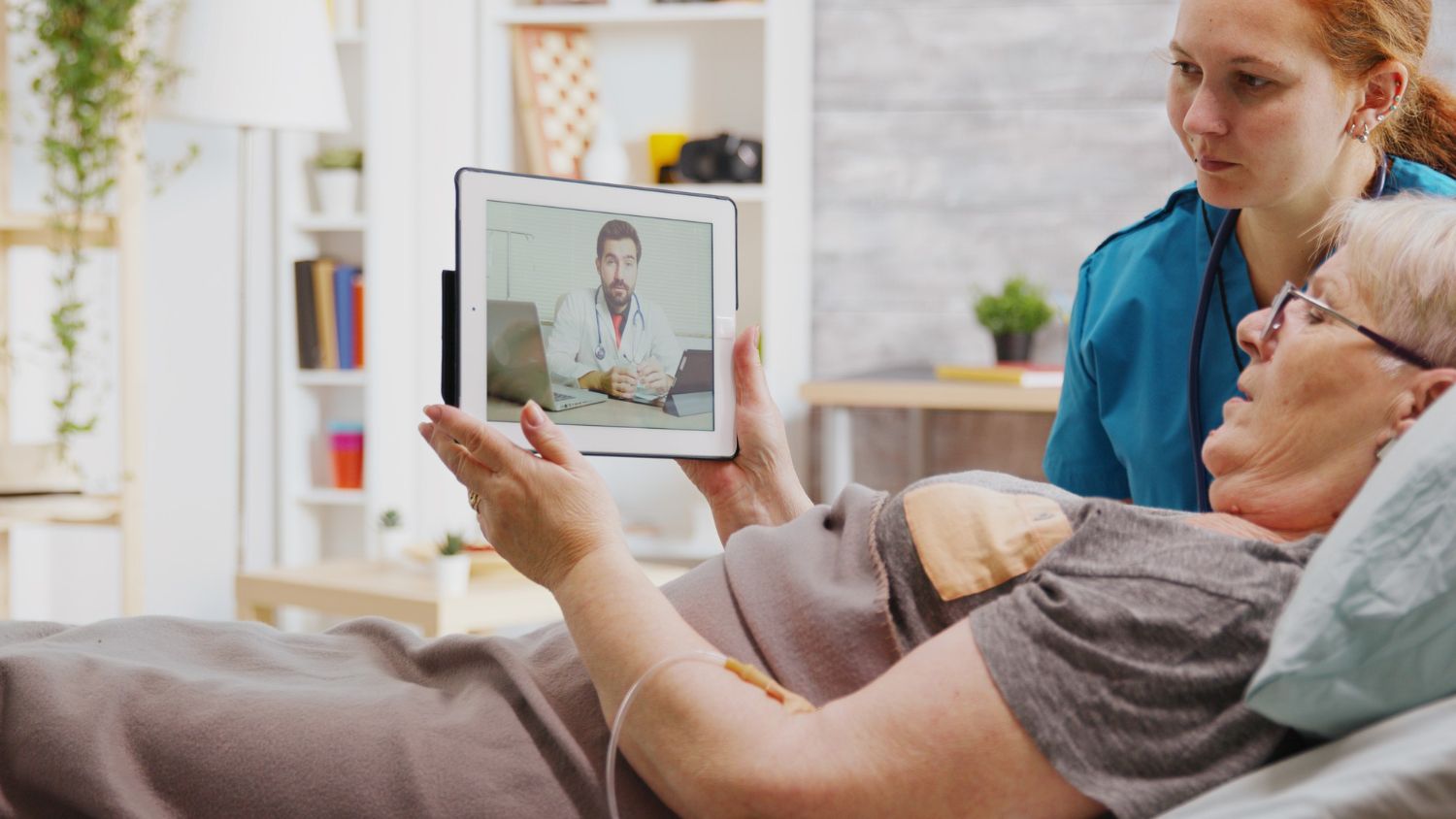


The healthcare industry is undergoing a significant change, with technology bringing care out of traditional hospital settings and into patients' homes. Central to this movement is telehealth, which is changing how patients receive medical attention and, crucially, how nurses are trained. The integration of Artificial Intelligence (AI) into telehealth and remote patient monitoring (RPM) is creating new methods for delivering consistent, quality care, demanding a refreshed approach to nursing education.
This shift presents both challenges and tremendous opportunities for the next generation of healthcare professionals. AI is no longer a futuristic concept; it is an active partner in patient care, especially in distant and continuous monitoring situations.
AI in Telehealth: A New Standard for Patient Interaction
Telehealth sessions—virtual consultations between a patient and a care provider—are becoming routine. For nurses, these interactions require a different set of communication and assessment abilities than in-person care. This is where AI steps in, offering powerful tools for practice and support.
Simulated Learning Environments
Nursing students are now training for virtual patient interactions using AI-simulated telehealth sessions. These simulations provide a safe place to practice:
- Bedside manner across a screen.
- Interpreting non-verbal cues in a video call.
- Making quick, correct judgments based on limited physical data.
AI acts as a sophisticated patient simulator, reacting to the student's questions and decisions in real time, making the training realistic and adaptable. This learning method makes students comfortable with the technology before they interact with real patients.
Triage Chatbots
AI-powered chatbots are frequently used in initial patient contact to gather information, answer common questions, and guide patients toward the right level of care. Students learn to work alongside these systems, understanding:
- When to trust the AI's initial classification of patient needs.
- When their professional judgment must take over.
Learning to interpret the data these chatbots collect is a key modern nursing skill.
Remote Patient Monitoring (RPM): Caring from a Distance
Remote patient monitoring (RPM) devices—like smart wearables and specialized home sensors—are a fundamental part of modern care, particularly for managing chronic conditions such as heart failure, diabetes, and COPD. These devices collect continuous patient health data, including vital signs, activity levels, and other physiological parameters.

The AI Advantage in RPM
AI makes this massive influx of data useful. Instead of nurses having to manually review hours of data, AI algorithms interpret the readings and look for patterns or subtle changes that might suggest a patient's condition is worsening.
For example, an AI-integrated vital signs monitor can detect a significant deviation in a patient's normal heart rate or blood pressure and automatically notify the clinical team. This capability allows for early intervention, meaning providers can react before symptoms become serious enough to warrant an emergency department visit or hospital admission. This ability to act quickly reduces costs and improves patient outcomes.
Nursing Roles in an RPM System
Nurses trained in AI-powered RPM learn to:
- Monitor Alerts: Respond efficiently and accurately to real-time alerts generated by the AI system.
- Verify Data: Understand how the devices work, identify if data readings are inaccurate or inconsistent (a known challenge with RPM systems), and troubleshoot common technical issues patients may face.
- Personalize Treatment: Use the AI-generated insights to help adjust care plans for individual patients, making treatment more precise.
- Educate Patients: Instruct patients, particularly those who may have low digital competence, on how to correctly wear and use their monitoring devices to guarantee reliable data collection.
Preparing the Nursing Workforce for Technology Integration
To prepare nurses for this technically advanced environment, academic programs are restructuring their curricula. The focus goes beyond simple technological literacy; it centers on data interpretation, ethical considerations, and maintaining the human connection in an increasingly digital interaction.
Data Acumen
Nurses must be competent in reading and understanding the reports AI systems create. This means grasping statistical concepts and recognizing potential biases or errors in the AI’s output. Trust in the algorithm is essential, but professional skepticism and judgment remain indispensable.
Cybersecurity and Privacy
With patient data moving wirelessly from home devices to health record systems, the importance of data privacy and cybersecurity is very high. Nurses need training on:
- Protecting sensitive information.
- Understanding regulatory requirements.
- Addressing patient concerns regarding data security.
Human-Centered Care in a Digital Age
The main job of a nurse—providing compassionate, patient-centered care—does not change, even with technology. In fact, it becomes more important. Students must learn how to make the virtual connection feel personal. In a remote consult, nurses must work harder to:
- Build rapport.
- Show empathy.
- Listen actively without the benefit of being in the same room.
The AI tools should support, not overshadow, the human element of care.
The Impact on Home Care
AI-powered RPM has great implications for home care, especially for the elderly or those in remote areas. Health sensors are moving beyond simple wearables and into the environment itself—beds, mirrors, and even toilets may soon track basic vitals and health data. This creates what some call "smart homes with health sensors."
For nurses involved in home care coordination, this means having access to continuous, detailed information about a patient's daily life, mobility, and safety. AI can detect a change in gait that suggests a higher risk of falling or a shift in sleeping patterns that signals an underlying issue. This constant observation allows nurses to support independence for longer periods and reduce the burden on family caregivers.
Addressing the Challenges
While the benefits are clear, adopting AI in nursing education and practice is not without hurdles. These include:
- Integration with existing systems: Getting new RPM devices and AI platforms to communicate smoothly with existing Electronic Health Records (EHRs) can be complex.
- Data quality: Ensuring that the data coming from home devices is accurate and complete is an ongoing task.
- Trust and Transparency: Healthcare providers and patients must trust the AI algorithms. The systems should be understandable, allowing users to see how the AI arrives at its conclusions.
- Digital Access: There remains a challenge in making these technologies accessible and usable for all patients, especially those who struggle with digital tools.
The journey toward full integration of AI in telehealth and nursing is continuous. By focusing educational efforts on combining technological skills with foundational patient care abilities, institutions can produce graduates ready to make a significant difference in how care is delivered around the globe.


