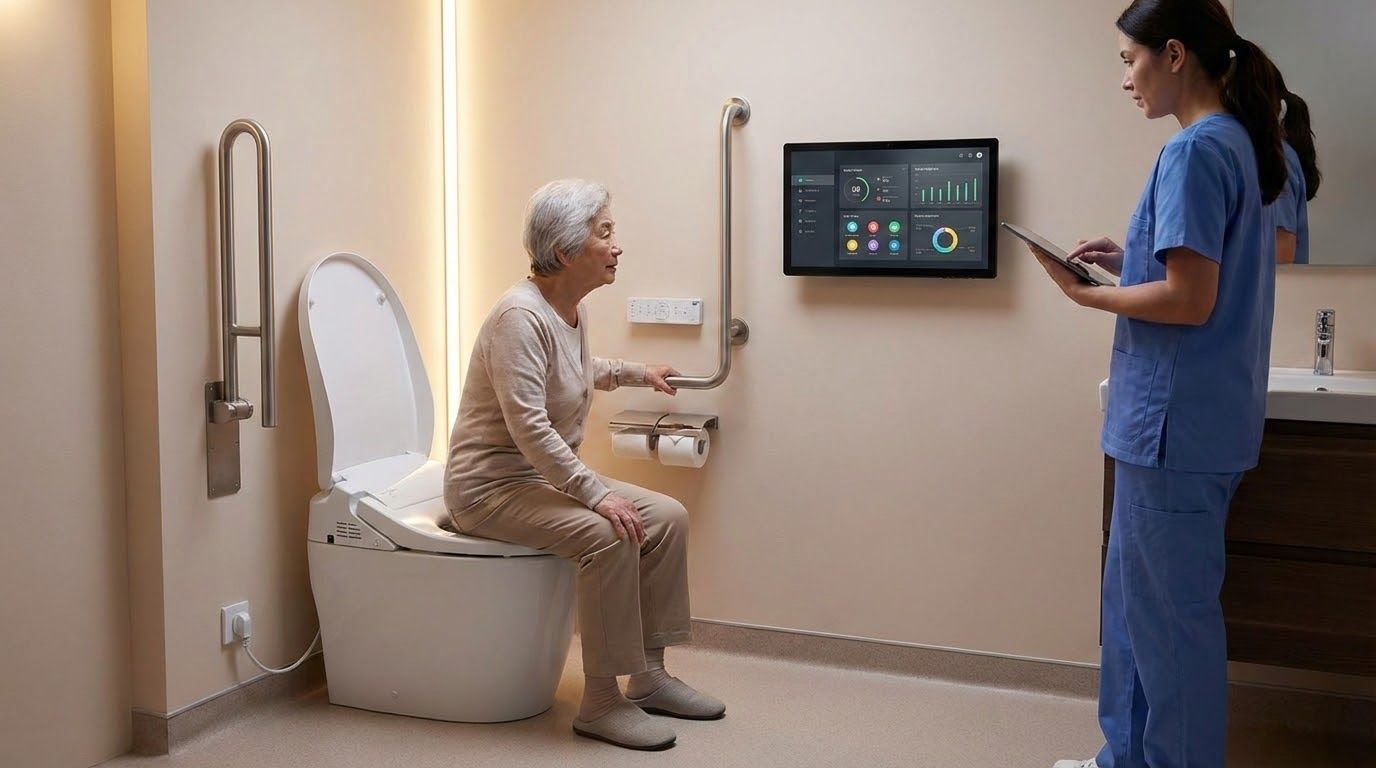


Smart toilets are rapidly changing the landscape of health monitoring, particularly for older adults. Far beyond simple plumbing fixtures, these devices introduce advanced health sensors right into the bathroom, turning routine personal care into a valuable source of health data. This technology offers a way to monitor wellness automatically and non-invasively, providing new levels of safety and preventative care.
Why Smart Toilet Technology Matters for Elderly Care
As the population ages, the demand for practical and efficient aged care solutions grows. Traditional health monitoring often requires active participation from residents or frequent checks by caregivers, which can be intrusive or insufficient for catching subtle changes quickly. Smart toilet technology addresses these challenges by making health data collection passive and continuous.
The core benefit lies in its ability to analyze waste and bodily functions automatically. This immediate data flow supports early disease detection and allows for timely interventions, potentially preventing minor issues from escalating into serious health crises.
Analyzing Waste for Early Detection
One of the most compelling aspects of smart toilets is their capacity for analyzing waste. By studying urine and stool samples, these devices can track several key health markers without the user needing to do anything special.
- Hydration Levels: The devices can measure specific gravity and other markers in urine to accurately track hydration. Maintaining proper hydration is fundamental for older adults, as dehydration can quickly lead to confusion, falls, and hospitalization.
- Infection Indicators: Early signs of urinary tract infections (UTIs) or other systemic infections can be detected by monitoring white blood cells or specific chemical markers. Catching a UTI early, before symptoms become severe, is critical in aged care settings.
- Chronic Condition Management: For individuals managing conditions like diabetes, the toilet can track glucose levels in urine. Consistent, automatic monitoring provides a clearer picture of metabolic health than intermittent testing.
This constant health monitoring sensors work behind the scenes, offering caregivers and medical professionals a powerful tool for longitudinal data collection.
Improving Bathroom Safety and Comfort
Beyond diagnostics, smart toilets significantly contribute to bathroom safety and overall user comfort.
Many models include hands-free operation features that benefit seniors and individuals with mobility challenges. Features like auto open/close lids, warm water wash functions, and air drying reduce the need for twisting, bending, or wiping. This reduction in physical strain makes the bathroom routine safer, lessening the risk of falls—a major concern in elderly living.
Additionally, the improved hygiene from thorough washing cycles reduces the likelihood of skin irritation and infection, further contributing to a higher quality of life. The intuitive controls, often via a simple remote or side panel, make the advanced features easily accessible to users.
Structure and Operation of Smart Toilets
To understand their function, it helps to look at how these advanced fixtures are constructed and what they require to operate effectively.
Required Installation and Maintenance
Installing a smart toilet is becoming increasingly straightforward, though certain requirements must be met.
- Plumbing: Most modern smart toilets are engineered to fit standard U.S. toilet rough-in sizes (typically 12 inches). They connect to the existing water line.
- Electrical Power: This is a key requirement. Smart toilets need a dedicated electrical outlet to power features like the water heater, air dryer, and internal water pump. These components require electricity to function.
- Water Pressure: For optimal performance, especially for the cleaning and bidet functions, the toilet needs sufficient water pressure, usually between 20 and 80 PSI. Most homes fall within this standard range.
Maintenance is surprisingly simple. Many models incorporate self-cleaning nozzles that rinse automatically before and after use. For general cleaning, mild, non-abrasive cleaners are recommended, avoiding harsh chemicals that could damage the electronic sensors and components. They are also designed to be gentle on septic systems, often using efficient flushing mechanisms.
Bidet and Hygiene Functions
The high-tech hygiene functions are central to the smart toilet experience. These features include:
- Adjustable Washing: Users can adjust water temperature, pressure, and nozzle position to find the perfect setting for their comfort.
- Self-Cleaning Nozzles: Stainless steel or antibacterial nozzles automatically cleanse themselves with a high-pressure rinse, ensuring a sterile environment.
- Heated Seat: A minor but greatly appreciated comfort feature, especially in cooler climates.1
- Air Drying: The integrated air dryer reduces the need for toilet paper, adding to the cleanliness and environmental friendliness of the fixture.
Data Security and Privacy Concerns
As smart toilets collect sensitive personal health information, questions regarding data security and privacy must be addressed. Health information is protected by stringent regulations, and any device collecting it must adhere to high standards of encryption and secure transmission.
Manufacturers must build systems that only share aggregated or anonymized data for general research, while individual, identifiable data must be restricted to the user, their authorized caregivers, and medical professionals. Transparency about data storage and usage is essential for widespread acceptance in healthcare settings. Users need assurance that their most personal health markers are secure.
The Future Role in Proactive Health Management
The application of smart toilet data moves health care from a reactive model (treating sickness) to a proactive one (preventing it). By providing a continuous data stream, caregivers can spot subtle physiological shifts long before they become apparent to the user or through scheduled doctor visits.
Consider the example of monitoring bowel movements. Changes in frequency or consistency can indicate dietary issues, medication side effects, or early digestive problems. Automated tracking takes the burden off the patient and provides objective data points for medical review.
As artificial intelligence and machine learning advance, the data collected by smart toilets will become even more powerful. Algorithms will be trained to recognize individual baseline health patterns, making deviations even easier to spot. This trend points toward an environment where everyday personal care devices act as silent health guardians, significantly adding to the quality and longevity of life for older adults. This shift represents a genuine advancement in integrating technology into daily living for measurable health outcomes.
Frequently Asked Questions about Smart Toilets
Q: Are smart toilets difficult for older adults to use?
A: No. While they contain advanced technology, the controls are designed to be intuitive. Most models include simple, easy-to-read remote controls or clearly marked side buttons/knobs that allow users to easily set water temperature, pressure, and heated seat settings. The hands-free operation actually simplifies the bathroom process.
Q: What water pressure is needed for a smart toilet?
A: Smart toilets typically function best when the water pressure is between 20 and 80 PSI. This range covers the vast majority of standard household water systems. It is generally recommended to verify your home’s water pressure before installation.
Q: Can smart toilets work with a septic system?
A: Yes, most contemporary smart toilets are septic-safe. They typically use efficient flushing technology that is designed to be gentle on septic systems while maintaining superior cleaning performance.
Q: What specific health markers can a smart toilet monitor?
A: Smart toilets can monitor several key markers by analyzing waste, including hydration levels, early signs of infection (such as UTIs), and markers related to managing chronic conditions like glucose levels in urine for diabetic individuals. They provide a continuous record of these physiological markers.2