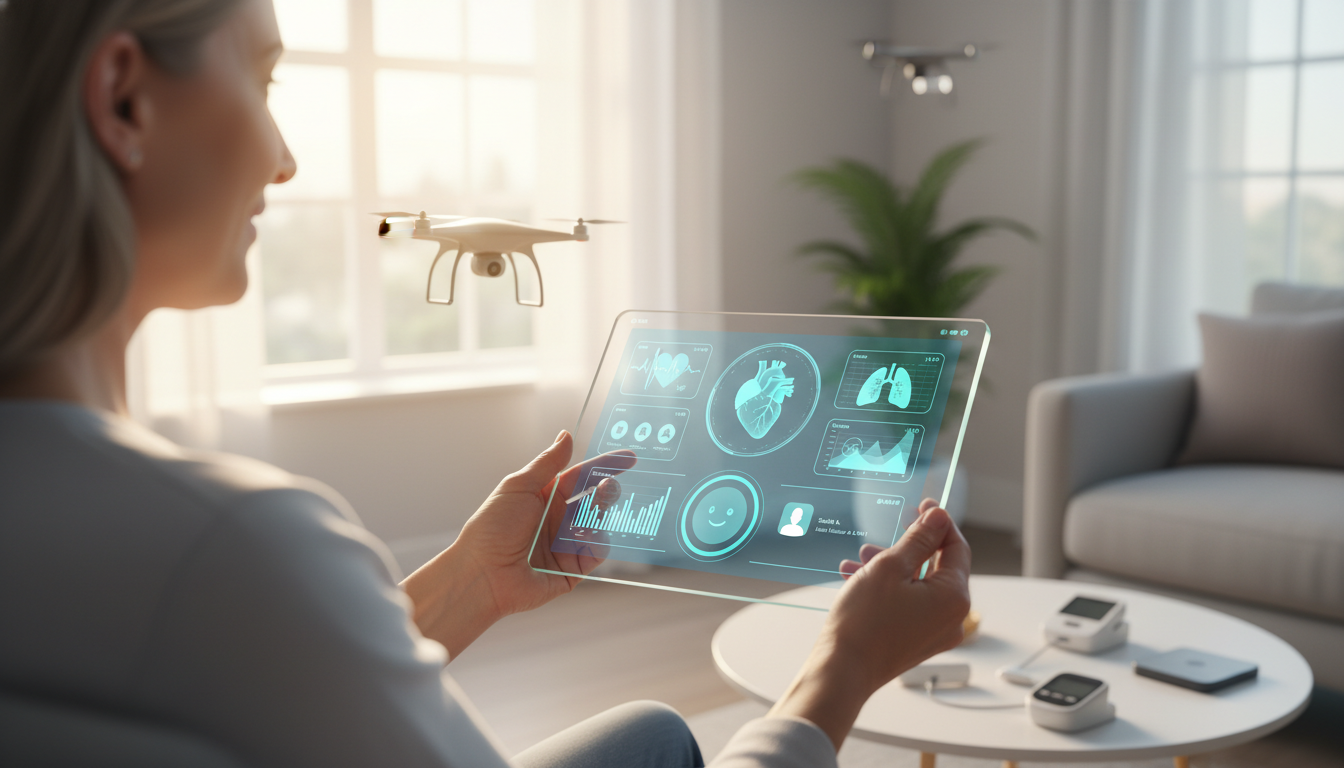


As populations age worldwide, the systems caring for older people face mounting pressure. Maintaining quality of life, dignity, and safety for seniors requires innovation. Artificial Intelligence (AI) is proving to be a powerful tool, not as a replacement for human caregivers, but as a supportive force that multiplies their capacity and precision.
By automating routine tasks and providing predictive data, AI allows care staff to focus their time and attention where it matters most: meaningful human connection and relationship building.
This technology isn't about creating purely automated care environments; it’s about establishing intelligent support systems that buttress the essential role of human compassion. The goal is straightforward: support better outcomes for older adults while providing meaningful relief and assistance to the dedicated professionals who care for them.
A True Human-AI Partnership in Care
The discussion around AI in aged care often centers on replacing human effort. However, the most successful implementations show the opposite: AI works alongside people to make their jobs better and the care more tailored. This collaboration fundamentally reshapes how support is delivered.
Reclaiming Time for Person-Centered Care
Caregivers frequently spend significant time on paperwork, monitoring basic vital signs, and performing repetitive checks. AI systems are excellent at handling these repetitive functions.
For example, AI-powered systems can monitor:
- Movement
- Sleep patterns
- Adherence to medication schedules automatically
When these tasks are assumed by smart technology, human caregivers are freed from routine administrative burdens and simple data collection.
This freedom translates directly into more time for person-centered activities. Instead of rushing between tasks, staff can spend quality time building relationships, listening to stories, and engaging in activities that genuinely contribute to an individual’s wellbeing and sense of dignity. This approach affirms that AI should extend human interaction rather than standing in its place.
Addressing Staff Burnout and Dignity
The physical and emotional demands of working in aged care contribute significantly to high rates of staff burnout. AI can help mitigate this strain by serving as a second pair of eyes, especially during overnight shifts or periods of low staffing.
- Predictive algorithms can flag potential issues, such as an increased fall risk based on subtle changes in mobility, before they become crises.
- This predictive ability reduces stress on staff, allowing them to intervene proactively rather than reacting to emergencies.
Furthermore, AI-supported tools that handle basic monitoring can help maintain the dignity of the person receiving care. Continuous, non-intrusive monitoring means fewer unnecessary physical checks by staff, granting the resident more privacy and autonomy while still ensuring their safety is prioritized.
Telehealth: Connecting Care Over Distance
One of the most practical and widespread uses of AI in supporting older people is through Telehealth solutions. Telehealth removes geographical barriers, bringing specialist consultation and continuous monitoring directly into the home or residential setting. This is particularly valuable in rural areas or for individuals with mobility challenges.
Remote Patient Monitoring (RPM)
AI systems are central to effective Remote Patient Monitoring (RPM). Connected devices, often wearable or placed subtly in the home, continuously collect real-time data on various health metrics:
- Heart rate
- Blood pressure
- Oxygen saturation
- Glucose levels
The AI’s role is not just to gather data, but to analyze it. It compares current readings against a patient’s established baseline and identifies trends or spikes that suggest a worsening condition. For individuals dealing with chronic conditions like Chronic Obstructive Pulmonary Disease (COPD), heart failure, or Diabetes Mellitus Type II, this capability is lifesaving.
Instead of waiting for a patient to report feeling unwell, nurses receive immediate alerts when the data crosses a predefined threshold. This allows for timely virtual consultations and intervention, often preventing unnecessary hospital trips and complications. Nurses can conduct virtual visits, using the real-time data to guide their assessments and adjust care plans swiftly. The use of RPM, supported by AI analysis, transforms reactive care into proactive wellness management. The College of Nursing notes that this form of real-time data analysis is changing modern nursing practice by permitting closer, more efficient oversight of patient health
$$[https://www.acn.edu.au/nurseclick/the-role-of-ai-in-modern-nursing-practice/](https://www.acn.edu.au/nurseclick/the-role-of-ai-in-modern-nursing-practice/)$$
.
⚖️ Ethical Considerations and Future Directions
The implementation of AI in such a personal field as aged care requires careful thought regarding ethics, privacy, and control.
Data Privacy and Security
AI systems rely on collecting large volumes of sensitive personal health data. Protecting this information is paramount. Strong regulatory frameworks and robust cybersecurity measures must be in place to prevent unauthorized access or breaches. Trust in the technology hinges on the guarantee that personal medical details remain confidential and secure.
Maintaining Human Connection
The core concern in aged care remains the preservation of the human element. The application of AI must always be viewed through the lens of compassion. The technology should always be presented and used as a tool to support human caregivers, not to supplant the emotional and physical presence of a person. Success is measured not just by health statistics, but by the happiness, autonomy, and feeling of connection experienced by the older adult.
The Evolution of AI Assistants
The future will likely see AI systems evolving beyond simple monitoring.
- Intelligent assistants may help older adults maintain cognitive function through personalized, adaptive programs.
- Robotic companions, designed specifically for social interaction, may combat loneliness and isolation, a significant problem in aging communities.
These systems are meant to support the needs of older people, giving them more autonomy and keeping them connected to their support network. Resources discussing these applications show how AI technology is being applied in various settings to meet real-world aged care challenges
$$[https://helloleaders.com.au/article/computerised-compassion-what-are-the-real-world-applications-of-ai-in-aged-care](https://helloleaders.com.au/article/computerised-compassion-what-are-the-real-world-applications-of-ai-in-aged-care)$$
.
Conclusion
Artificial intelligence presents tremendous opportunities to revolutionize the support systems for our aging population. By reducing the logistical burden on staff and enabling proactive, data-driven remote monitoring, AI frees up human caregivers to focus on empathy, relationship-building, and high-quality, individualized attention.
The combination of cutting-edge technology with dedicated human professionals shapes a more respectful, safer, and ultimately more human-centered future for aged care. The journey involves continually adapting the technology to meet the fundamental needs of older people—safety, comfort, and connection—ensuring that technology serves humanity in this incredibly important sector. The promise of this technology is a system where older adults can age with increased independence and dignity, supported by sophisticated tools that respect and reflect their value. Another resource points to how these modern systems aid the elderly in maintaining independence
$$[https://www.tunstallhealthcare.com.au/blog/ai-in-elderly-care/](https://www.tunstallhealthcare.com.au/blog/ai-in-elderly-care/)$$
.
❓ Frequently Asked Questions
1. Does AI replace the need for human caregivers?
No. AI is designed to automate routine tasks, analyze large datasets, and predict risks. This frees up human caregivers from administrative burdens and simple monitoring duties, allowing them to dedicate more time to empathy, social interaction, and complex, person-specific support. AI acts as a powerful support system for the human worker.
2. How does AI help manage chronic conditions?
AI plays a key role in Remote Patient Monitoring (RPM). It analyzes real-time data collected by connected devices (like heart rate and blood pressure monitors) for patients with chronic conditions such as heart failure or diabetes. The system detects subtle changes or deviations from normal patterns, alerting care teams instantly so they can intervene proactively via virtual care before a minor issue becomes a major emergency.
3. What is the biggest ethical consideration when using AI in aged care?
The most important ethical consideration is data privacy and security. AI systems manage sensitive health information, so there must be strict protocols and robust encryption to safeguard this data against breaches. Maintaining the dignity and autonomy of the older person is also critical, ensuring the technology is non-intrusive and always serves their best interests.
4. What is the benefit of AI for staff?
AI helps reduce staff burnout by assuming responsibility for repetitive monitoring tasks and assisting with risk prediction. When AI provides early warnings about potential issues (like a fall risk), staff can react calmly and proactively rather than being overwhelmed by unexpected emergencies. This leads to a safer, less stressful working environment.