



Artificial intelligence (AI) is quickly changing many industries, and its impact on elderly care is profound. As populations age globally, finding ways to provide consistent, high-quality, and person-centered care becomes more urgent. AI offers powerful tools that can transform how care is delivered, making it more efficient and supportive for both older adults and the staff who look after them.
This technology is not meant to replace the human element of care, but rather to complement and augment it. When thoughtfully applied, AI can free up care workers from routine, time-consuming tasks, giving them back valuable time to focus on what matters most: building relationships, providing emotional support, and delivering genuinely person-centered assistance.
Redefining Care through Human-AI Collaboration
A key area where AI is making a significant difference is through Human-AI Partnership. This model envisions AI and human caregivers working side-by-side, each contributing their unique strengths.
AI systems excel at automated monitoring, data analysis, and predicting potential risks. They can continuously monitor movement patterns, sleep quality, and vital signs. For example, systems can detect subtle changes in gait that might signal an increased risk of a fall, allowing staff to intervene proactively. This augmentation of human ability means staff can act on predictive insights rather than reacting after an incident has occurred.
By automating tasks like checking vitals or handling administrative documentation, AI reduces staff workload. This reduction in routine duties directly addresses the challenge of staff burnout. Caregivers who spend less time on paperwork and more time in meaningful interaction are more likely to feel satisfied and less stressed. This shift supports the delivery of person-centred care, where the individual's needs, preferences, and dignity are at the forefront. AI acts as a sophisticated assistant, ensuring that human interactions are reserved for connection, empathy, and relationship-building, ultimately extending human contact rather than diminishing it.
Common AI Applications in Elderly Care
AI applications in this field often include:
- Smart Monitoring Systems: These use sensors and cameras to track safety and well-being without being overly intrusive.
- Predictive Analytics: Algorithms analyze data to forecast health declines or behavioral issues.
- AI-Powered Companions: Robots or voice assistants offer interactive support, combating loneliness, and providing reminders.
These advancements show that AI’s best role is not as a substitute for human compassion, but as a mechanism that allows care professionals to be more present and effective in their roles.
⚖️ Addressing the Challenges: The Ethics of AI in Care
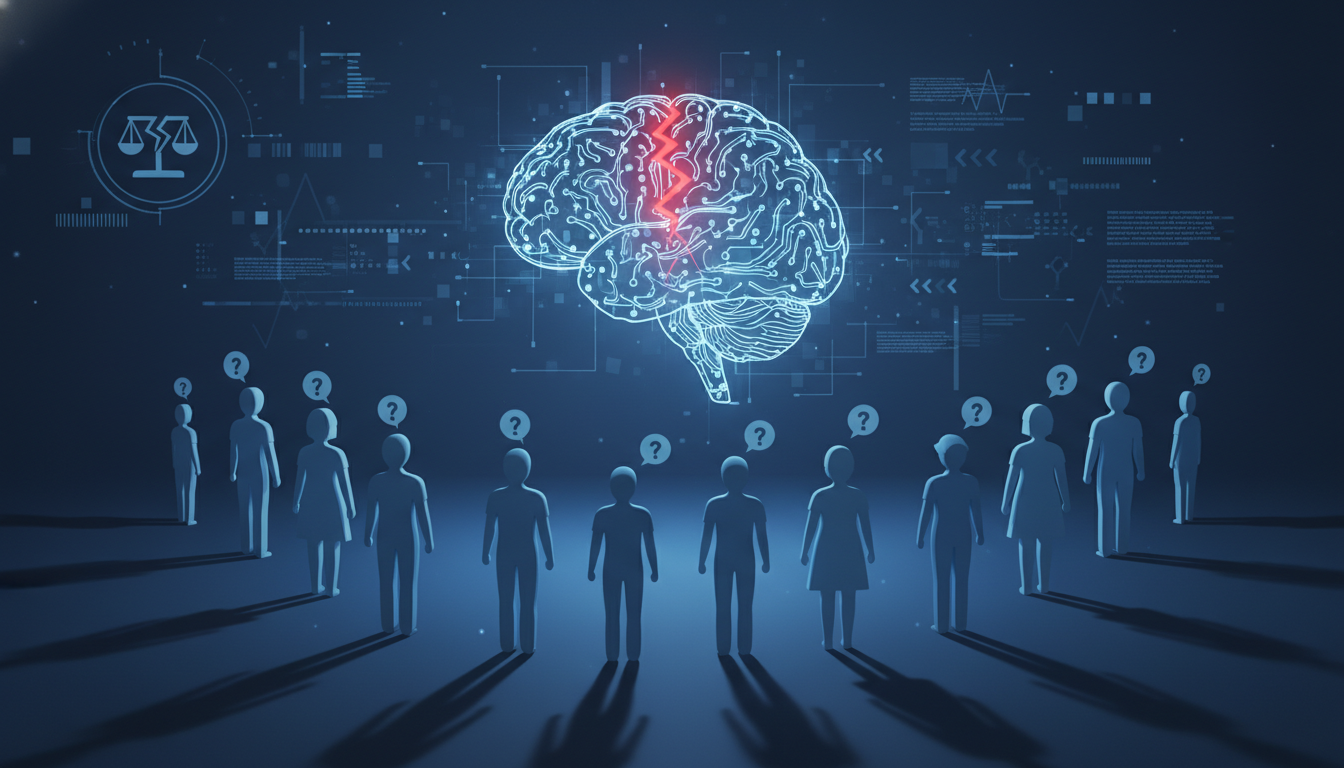
While the benefits are substantial, introducing AI into such a sensitive field requires careful attention to ethical considerations and potential drawbacks. One major concern is AI Bias.
AI systems learn from the data they are trained on. If this training data reflects existing societal inequalities, the resulting algorithm may inherit bias. This can lead to issues with accuracy and reliability across diverse populations. For instance, if an AI diagnostic tool is primarily trained on data from one demographic group, its ability to accurately assess health risks for others might be compromised, leading to discriminatory outcomes.
Ensuring Trust and Transparency
Maintaining trust in AI requires transparency and rigorous oversight. Care organizations must insist on an ethical framework that guides the development and implementation of AI tools. This framework should mandate human oversight in decision-making processes. AI recommendations should always be treated as input for the human caregiver, not as final commands. Continuous auditing and testing are necessary to catch and correct inherent biases, ensuring that the AI provides fair and equitable support for every individual under its care.
🚀 Future Outlook: Integrating Technology with Sensitivity
The journey of incorporating AI into elderly care is ongoing. For senior care providers, understanding the technological landscape and its impact on visibility is paramount. For example, the principles of E-E-A-T (Experience, Expertise, Authoritativeness, and Trustworthiness) are becoming important in how AI models recognize credible content [2]. Organizations need to structure their content using technical SEO methods, such as structured data and local SEO, to make their digital information easily consumable and credible to AI tools and search engines [2]. This helps potential clients and their families find trustworthy information about available care services.
Moving forward, the successful adoption of AI depends on maintaining a focus on the resident. Technology should always be introduced with sensitivity, respect for privacy, and a clear purpose: to support the independence and wellness of older adults. The right balance between technological sophistication and human compassion will define the next chapter of quality elderly care.
❓ Frequently Asked Questions
How does AI specifically help reduce staff burnout in elderly care?
AI takes over repetitive or data-heavy tasks, such as automated charting, scheduling reminders, and continuous vital monitoring. By automating these routines, human caregivers spend less time on administration and more time on direct, meaningful interaction with residents.
What is the biggest ethical challenge related to AI in senior care?
The biggest challenge is AI bias. If the training data used to build the AI system contains existing societal biases, the AI may produce inaccurate or unfair results for certain groups of people, leading to discriminatory outcomes in care decisions. Human oversight is essential to prevent this.
Will AI replace human caregivers in the future?
No. AI is seen as a tool for augmentation, not replacement. While AI can expertly handle data and automation, it cannot replicate human empathy, compassion, relationship-building, or complex decision-making based on nuanced human understanding. AI's purpose is to support caregivers so they can focus more intently on the person-centred aspects of care.
How can care facilities start using AI responsibly?
Facilities should begin by setting up a clear ethical framework for AI use. They must vet technology providers for transparency and data privacy practices. Start with pilot programs focusing on clear objectives, such as fall risk prediction or administrative improvement, while maintaining strong human oversight at all times.


