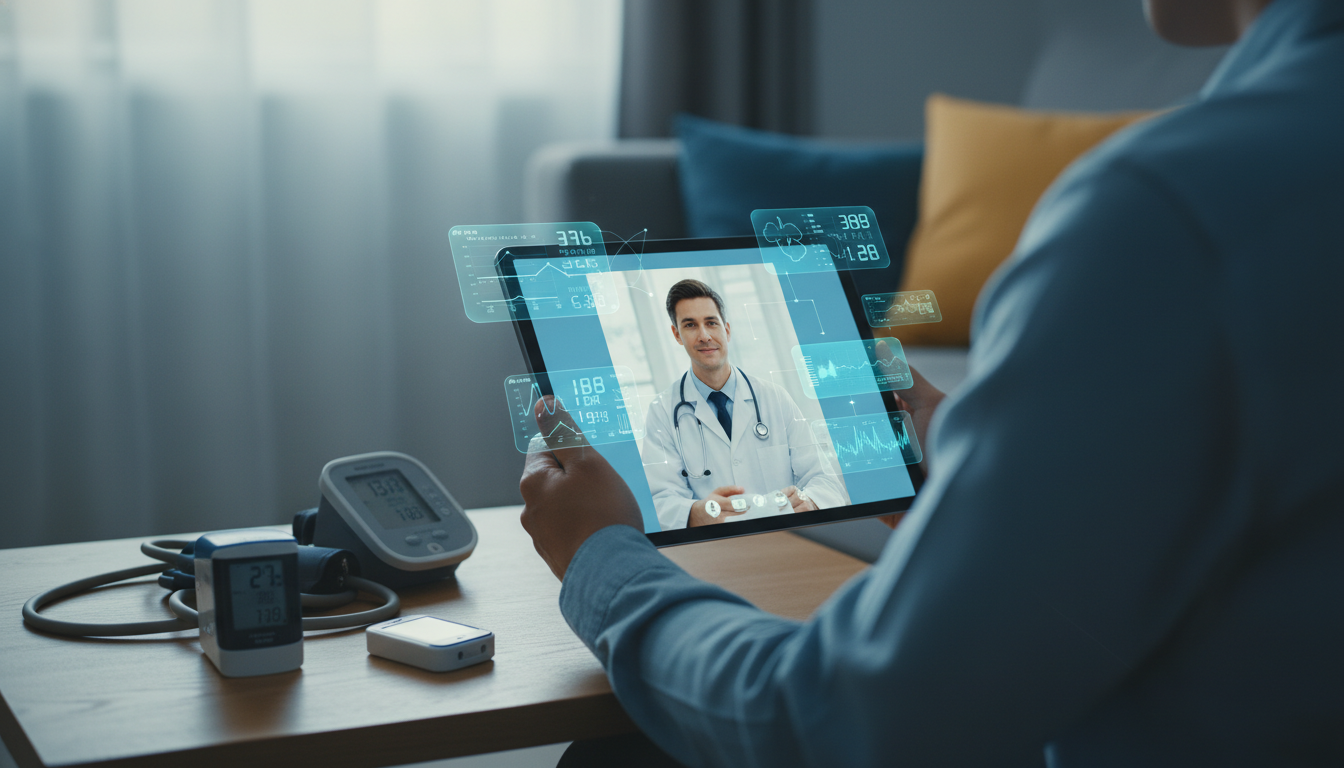


As populations around the globe age, the demand for high-quality, dignified elderly care is growing significantly. Artificial Intelligence (AI) is quickly becoming a foundational technology in addressing this challenge. Crucially, it functions not by replacing human interaction, but by supporting caregivers and offering older adults greater independence.
This article examines how AI is transforming aged care through technological advancements, focusing on maintaining human connection and supporting older adults to remain in their homes safely.
AI and the Human-Centric Approach to Care
A common misconception about integrating AI into care settings is that it diminishes human connection. In reality, AI systems are designed to support and strengthen the relationship between care staff and residents. This is often referred to as a Human-AI Partnership.
By automating routine, time-consuming administrative and monitoring tasks, AI frees up human carers.
For instance, AI can predict health risks, monitor vital signs, and handle scheduling.
This allows staff more time to focus on what truly matters: providing person-centred care, relationship-building, and displaying empathy and dignity towards those they support. The result is a reduction in staff burnout and an improvement in the quality of attention residents receive. AI helps to extend human interaction rather than diminishing it.
Automating Tasks to Prioritize Connection
Consider the tasks involved in monitoring a large group of residents. Instead of physically checking every room multiple times to note minor changes, AI-powered systems can watch for deviations from established norms—such as unusual sleep patterns or sudden drops in activity—and alert staff only when intervention is required. This targeted approach means care workers can spend their time engaging in meaningful activities, like conversation or therapeutic support, instead of monotonous monitoring routines.
Supporting Independence Through "Ageing in Place"
One of the most powerful applications of AI in elderly care is its role in supporting Ageing in Place—the ability for older adults to live in their own homes for as long as possible. This goal is achieved by making the home environment smarter, safer, and more responsive to individual needs.
AI integrates with smart home systems to create an automated environment. This can include:
- Adjusting lighting
- Modifying room temperature
- Adjusting air quality
...based on the resident’s established routines and comfort levels.
The Power of Predictive Monitoring
The greatest benefit of these systems is risk reduction. AI constantly processes data from various in-home sensors to identify subtle changes that could signal an emerging health issue. For example, if a system detects that a senior is making fewer trips to the kitchen or bathroom than usual, it might flag a potential decline in mobility or illness before a serious event occurs.
These systems work to substantially decrease falls, improve personal security, and generally reduce risks, giving older adults and their families peace of mind while protecting independence.
Key Applications of AI in Modern Aged Care
The potential for AI application in this sector is broad, ranging from sophisticated robotics to simple, data-driven software solutions.
1. Remote Monitoring and Health Analysis
AI tools collect and analyze data from wearable devices and in-home sensors. These systems can predict the onset of acute conditions, such as urinary tract infections or respiratory issues, by tracking changes in:
- Heart rate
- Breathing
- Activity levels
- Sleep quality
Early detection drastically improves outcomes and often prevents hospitalizations.
2. Personalized Digital Companions
AI-powered voice assistants and companion robots are becoming increasingly sophisticated. They provide:
- Social interaction
- Medication reminders
- Cognitive stimulation
For individuals experiencing isolation or cognitive decline, these companions offer consistent, non-judgemental interaction. They can guide seniors through daily routines, keeping them oriented and engaged.
3. Fall Detection and Prevention
Falls are a primary cause of injury and declining independence in older adults. AI systems use cameras (with privacy safeguards) or non-visual sensors to monitor movement.
- If a fall occurs, the system instantly alerts emergency services or caregivers.
- More importantly, continuous monitoring helps identify gait changes or balance issues that indicate a person is at risk of falling, allowing for preventative physical therapy or modifications to the living space.
Addressing Ethical and Privacy Concerns
As AI becomes more present in the lives of vulnerable individuals, ethical considerations, especially around data security and patient privacy, must be central to implementation.
All AI systems used in healthcare settings must comply with stringent data protection regulations. The data collected by smart sensors—which includes personal routines, health metrics, and location within the home—must be heavily protected. Transparency regarding data collection and usage is non-negotiable, and users must have clear control over their information. The goal is to apply AI with dignity at the forefront, ensuring technology is a tool for autonomy, not control.
The Future Trajectory of AI in Elderly Care
The future of aged care will rely on technology that supports care staff and empowers older adults. We are seeing continued development in:
- Robotic assistants for physical tasks, such as lifting or mobility support, which can prevent injury to human staff.
- Improved predictive models, moving from simple risk identification to truly proactive interventions that keep individuals healthier for longer.
The technology is maturing to meet the specific needs of an aging population, offering sustainable and compassionate ways to deliver high-quality care while upholding the independence and personal worth of every older adult.
The resourcesavailable here discuss how these applications are being used in real-world aged care facilities, showing a clear path toward technological integration. Further information on how specific technologies, such as telecare, fit into this ecosystem can be found by consulting companies focused on health technology, such asTunstall Healthcare.
❓ Frequently Asked Questions (FAQs)
Q1: Does AI replace human caregivers?
No, AI does not replace human caregivers. AI systems focus on automating routine tasks like monitoring and risk prediction. This automation frees up human staff, allowing them more time to focus on the essential human aspects of care: providing emotional support, building relationships, and offering compassionate, person-centred care. AI is a tool to support, not supplant, human interaction.
Q2: What privacy safeguards are in place for AI monitoring systems?
Systems designed for elderly care must adhere to strict data privacy laws (such as GDPR or HIPAA, depending on the region). Data gathered by smart home sensors (including movement, temperature, and activity) is typically encrypted and protected. Providers must maintain transparent policies that give residents and their families clear control over how their health data is collected and used.
Q3: How do AI systems help seniors stay independent at home?
AI supports independence through "Ageing in Place" technologies like smart home systems. These systems automate environmental controls (like lighting and temperature) and provide continuous, non-intrusive monitoring. By detecting slight changes in behavior or potential health issues early, AI helps reduce risks (like falls) and allows older adults to remain comfortable and safe in their own residences for longer periods.
Q4: Are AI systems expensive to install and maintain?
The costs vary widely depending on the complexity of the system. Simple monitoring devices can be relatively inexpensive, while fully integrated automated environment systems are a larger investment. However, when considering the long-term cost savings associated with reduced hospitalizations, fewer emergency interventions, and the ability to delay moving into residential care, AI can represent a cost-effective solution for long-term health management.