

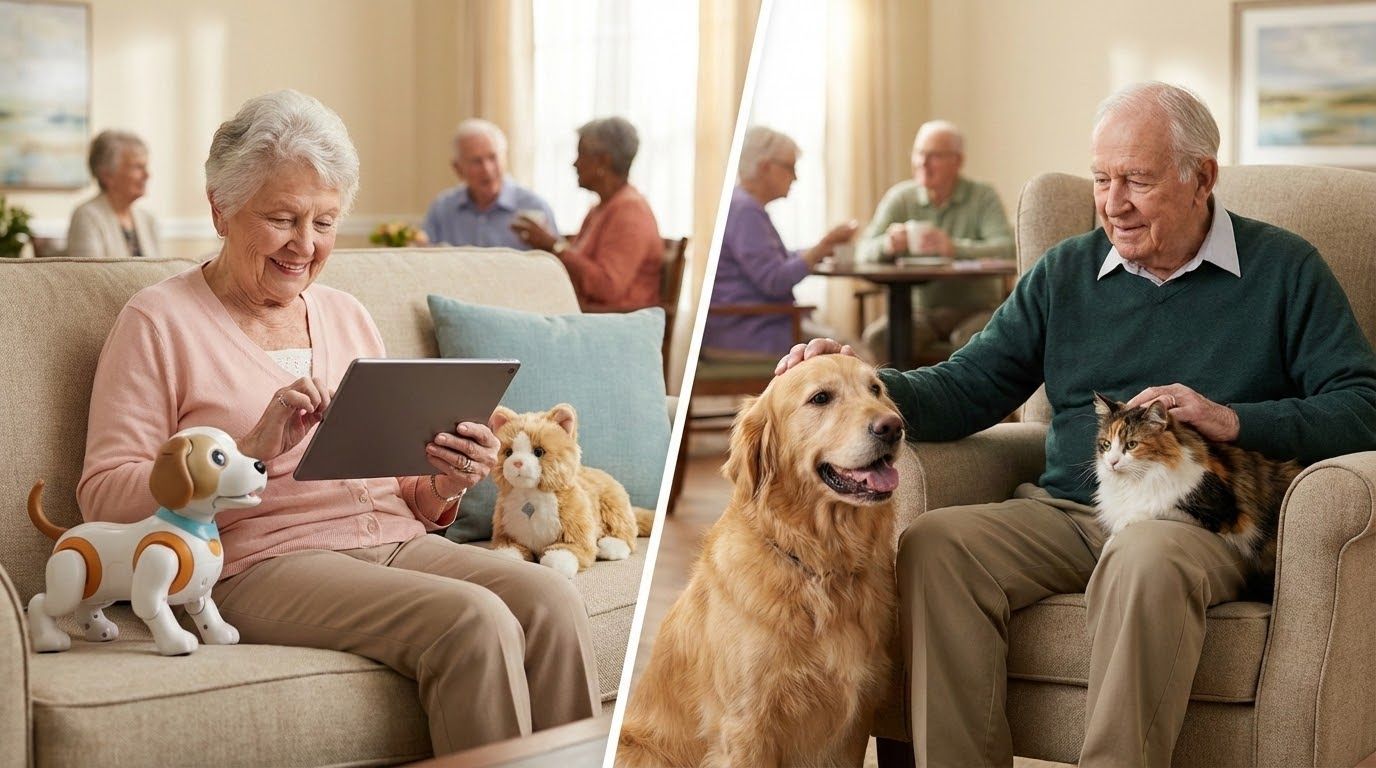


In the field of aged care, companionship and meaningful engagement are fundamental to well-being. Pet therapy, or zootherapy, has long been celebrated for its profound positive effects on seniors, particularly those grappling with isolation, depression, or cognitive decline like dementia. The presence of an animal can soothe anxiety, reduce blood pressure, and bring moments of joy.
However, as technology advances, a new type of companion is making its way into senior living communities and homes: the robotic pet. These animatronic companions—often designed to resemble cats, dogs, or even seals—offer many benefits of animal interaction without the maintenance demands, risks, or responsibilities of live animals.
When considering therapeutic interventions for an aging loved one, caregivers and family members face a growing question: Are robotic pets a true substitute for live animals, or do the traditional benefits of living creatures remain unmatched? This detailed comparison examines the advantages and disadvantages of both robotic and live pets in a therapeutic setting for seniors.
The Time-Tested Benefits of Live Animal Companionship
For centuries, animals have played a role in human healing and happiness. When considering a live pet for therapeutic purposes, the appeal is clear and deeply rooted in biology and emotion.
Emotional and Biological Connection
Live pets, whether personal pets or certified therapy animals, offer genuine, unpredictable interaction. The sensory input is rich: the warmth of a purring cat, the texture of dog fur, the unconditional acceptance in a pet's eyes. This connection often sparks deep emotional responses, reminding seniors of past experiences and helping ground them in the present.
Key Advantages of Live Pets:
- Reciprocal Relationship: A live pet actively responds to human interaction—wagging a tail, licking a hand, or resting its head on a lap. This sense of being needed and having a purpose is deeply therapeutic, fighting feelings of redundancy common in older age.
- Physical Activity and Routine: Caring for a live animal necessitates a routine, which can be immensely beneficial for mental health.1 Walking a dog, feeding a cat, or simply petting for an extended time introduces light physical activity.
- Sensory Depth: The experience involves all five senses, providing a richer, more variable therapeutic environment than a programmed robot can replicate.
- Authentic Social Bridge: Live pets are excellent social facilitators, prompting conversations with neighbors, staff, and family members.
Challenges of Integrating Live Pets into Senior Care
Despite the compelling benefits, live pets present significant hurdles, especially when dealing with mobility issues, restricted budgets, or health conditions.
- Allergy and Hygiene Risks: Allergies are a major concern in group settings, and maintaining proper hygiene for both the resident and the animal requires constant monitoring.
- Maintenance and Expense: Live animals require food, veterinary care, grooming, and time. For seniors with limited incomes or physical restrictions, meeting these demands can become stressful or impossible.
- Safety Concerns: Unpredictable behavior, such as sudden movements or barking, can cause distress or lead to falls, particularly for frail residents.
- Grief and Loss: The lifespan of a pet is often shorter than a human’s. The emotional trauma of losing a beloved companion can be devastating for a senior, potentially reversing therapeutic progress.
The Rise of Robotic Companions: Maintenance-Free Comfort
Technological innovations have introduced animatronic pets designed specifically to address the challenges associated with live animals while retaining key therapeutic functions. These range from sophisticated, responsive devices like the PARO robotic seal (often used in hospitals and specialized care) to more widely available options like animatronic dogs and cats.
The design goal of these devices is straightforward: provide non-judgmental, calming companionship that requires zero maintenance.
Focused Therapeutic Benefits
Robotic pets operate by simulating the comforting aspects of pet ownership through programmed responses, realistic textures, and sounds. They are particularly successful in scenarios where the risks of live animals are too high.
Key Advantages of Robotic Pets:
- Dementia Calming: For individuals with advanced dementia or Alzheimer’s, robotic pets can provide a grounding focus. The rhythmic purring, meowing, or gentle breathing motions can reduce agitation and anxiety without demanding complex communication or memory recall.
- Allergy-Free Companionship: Robots eliminate all risks associated with animal allergies, dander, and fur, making them safe for any environment, including hospitals and strict care facilities.
- Zero Maintenance and Safety: They require only occasional charging or batteries. There are no feeding schedules, vet appointments, messes to clean, or risk of aggressive behavior.
- Controlled Interaction: Interactions are predictable and gentle. They can be programmed to respond to touch or sound in specific ways, offering a consistent and reliable source of comfort.
- Ease of Transition: For seniors who move frequently or live in communities with strict “no pets” policies, robotic pets offer immediate, policy-compliant companionship.
Limitations of Artificial Interaction
While robotic pets are remarkable tools, they cannot replicate the full breadth of a living relationship.
- Lack of Genuine Reciprocity: The robot’s responses are scripted and automated. It cannot truly learn, adapt, or initiate novel interaction, which limits the depth of the emotional bond formed.
- "Uncanny Valley" Effect: For some seniors, the mechanical nature of the robot is obvious, leading to confusion or rejection rather than acceptance.
- No Sense of Responsibility: Since a robotic pet does not need food or walking, the senior misses out on the therapeutic benefit of having a routine and feeling necessary.
- Dependence on Technology: Functionality relies on power sources and durability. Breakdowns or technical failures interrupt the therapeutic process.
Making the Right Choice for Aged Care
The decision between a robotic pet and a live animal companion depends entirely on the individual senior’s physical condition, cognitive status, living environment, and support system. It is not an "either/or" scenario; often, the two modalities serve different needs.

The Future of Companionship
As technology progresses, robotic pets are becoming increasingly sophisticated, incorporating more realistic movements and even incorporating artificial intelligence to personalize interactions. However, until a robot can genuinely replicate the depth of emotional connection found in living creatures, live animal therapy will retain its unique place.
The most successful approach often integrates both. A live therapy dog might visit a memory care ward weekly for active group engagement, while individual residents may have a robotic cat in their private room to provide constant, low-stress comfort, particularly during high-anxiety times like evenings or transitions.
Caregivers should consider the individual's history with pets, their current capacity for responsibility, and their specific emotional needs when making a selection. Both robotic and live companions represent valid, valuable paths toward improved quality of life and reduced isolation for the aging population.
Frequently Asked Questions About Pet Therapy for Seniors
1. Is a robotic pet a humane substitute for a real animal?
While a robotic pet cannot replace the authentic, biological relationship seniors often had with real animals, they serve as highly effective therapeutic tools. They address the need for gentle touch and sensory comfort without placing the burden of care or the risk of loss onto a vulnerable senior. In situations where a live animal is impossible (due to allergies, facility rules, or health status), a robotic pet provides a dignified and safe alternative for emotional soothing.
2. Can robotic pets help with challenging behaviors in dementia patients?
Yes, studies indicate that robotic pets, particularly those designed for therapeutic use, can significantly decrease agitation, pacing, and anxiety in individuals with mid-to-late-stage dementia. The consistent, predictable responses to petting, along with the simulated breathing or purring, offer a non-verbal distraction and a source of quiet engagement, reducing the need for pharmacological interventions to manage behavior.
3. What kind of live animals are typically best for pet therapy with the elderly?
Therapy animals are usually calm, well-trained dogs of gentle breeds, or placid, social cats. The temperament of the individual animal is more important than the species. Animals must be certified and supervised by a handler to ensure they are clean, vaccinated, and comfortable with the unique movements and noises found in senior care settings. Exotic or high-energy animals are generally avoided.


