

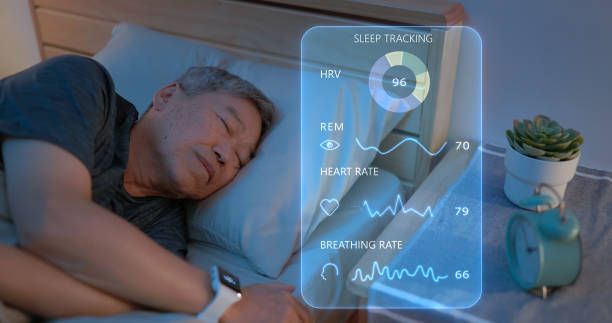


Resident wellbeing monitoring is a major part of running a high-quality aged care home in Australia. You have to keep track of how residents feel, not just their physical health. This is often hard because staff are busy. They write many notes every day. These notes hold secrets about how a resident is doing emotionally. Governa AI helps you read these notes quickly. By using smart tools, you can see if someone is sad or lonely before it becomes a bigger problem.
Key Takeaways
- AI scans text to find emotional changes that humans might miss.
- Natural Language Processing (NLP) helps staff understand resident moods.
- Early alerts allow you to help residents before their mental health gets worse.
- Better data helps Australian aged care homes meet quality standards.
The Difficulty of Reading Every Progress Note
In your facility, staff write thousands of words every week. These notes describe what a resident ate, their medicine, and their daily activities. However, it is hard to read every single word to find emotional trends.
- Staff have limited time to review old notes.
- Small changes in mood are easy to miss over many shifts.
- Different staff members might not notice a slow slide into sadness.
- Paper or digital files can become a graveyard of data that no one uses.
You need a way to make this data work for you. Without a tool to scan these notes, you only see the surface of a resident's life. This is where progress note analysis becomes a game-changer for your team.
How NLP in Aged Care Finds Hidden Cues
Natural Language Processing, or NLP, is a type of technology. It allows computers to read and understand human language. When you use NLP in aged care, the software looks for specific words and feelings in staff notes.
- It looks for words like "quiet," "refused," or "stayed in bed."
- It understands the context of a sentence.
- It spots patterns that happen over several days or weeks.
- It turns messy notes into clear reports for your clinical leads.
Governa AI uses this technology to help you stay ahead. You do not have to wait for a resident to have a crisis. The software tells you when the tone of the notes changes. This gives you a clear view of resident wellbeing monitoring without making your staff do more work.
Progress Note Analysis for Better Care
Most aged care records are "unstructured." This means they are just sentences written by nurses and carers. It is hard to put this into a chart or a graph. Progress note analysis changes this. It takes those sentences and turns them into data you can use.
For example, if a resident used to be chatty but is now "withdrawn," the AI notices. You get a report that shows this change. You can then check on that resident to see what is wrong. This makes your care more personal. You are not just looking at a medical chart; you are looking at the person. You can find more Aged care AI insights to see how this data changes daily operations.
Mental Health Tracking and Early Alerts
Mental health tracking is a priority for Australian aged care providers. Depression and anxiety are common, but they are not always easy to see. Residents might not say they are sad. Instead, they might just stop going to the dining room.
Governa AI flags these signs for you:
- Withdrawal: The AI finds notes about a resident staying in their room more often.
- Mood Shifts: It tracks if a resident is more irritable or tearful than usual.
- Sleep Changes: It notes if staff are writing about poor sleep patterns.
- Appetite Loss: It links notes about "refusing meals" to emotional health.
When the system finds these flags, it alerts you. This is called early intervention. You can talk to the resident's doctor or family right away. You do not have to wait for a formal assessment to know something is wrong.
Addressing Social Isolation in Australian Homes
Social isolation is a big risk for older people. In Australia, many residents live far from their families. If they stop talking to other residents, their health can decline fast. Resident wellbeing monitoring helps you fight this.
- The AI tracks how often a resident joins group activities.
- It looks for notes about a resident "sitting alone."
- It helps you see which residents have not had a social interaction in days.
- It lets you plan better social calendars based on who needs help.
By using these tools, you make sure no one is forgotten. You can direct your lifestyle staff to spend more time with the people who are at the highest risk of being lonely. This makes your facility a better place to live.
Frequently Asked Questions
Does this mean staff write more notes?
No. Your staff keep writing the same notes they always do. Governa AI simply reads what is already there. It saves time because you do not have to manually search for problems.
Is the data safe and private?
Yes. Protecting resident data is a top priority. The system follows Australian privacy laws. It only uses the notes to help you provide better care.
Can AI really understand feelings?
AI looks for patterns in language. While it does not "feel" like a human, it is very good at spotting words that show sadness, anger, or fear. It acts as an extra set of eyes for your team.
How fast can we see results?
As soon as you start using the system, it begins to analyze your notes. You will see trends and alerts based on the information your staff enter every day.
Conclusion
Resident wellbeing monitoring is about more than just physical health. It is about making sure every person in your care feels seen and heard. Using NLP in aged care allows you to turn your daily notes into a powerful tool for mental health tracking. You can find signs of social isolation and depression early. This helps you act fast and provide the best care possible. Governa AI gives you the power to look beyond the chart and truly understand the lives of your residents. This leads to a happier home and better outcomes for everyone.


