

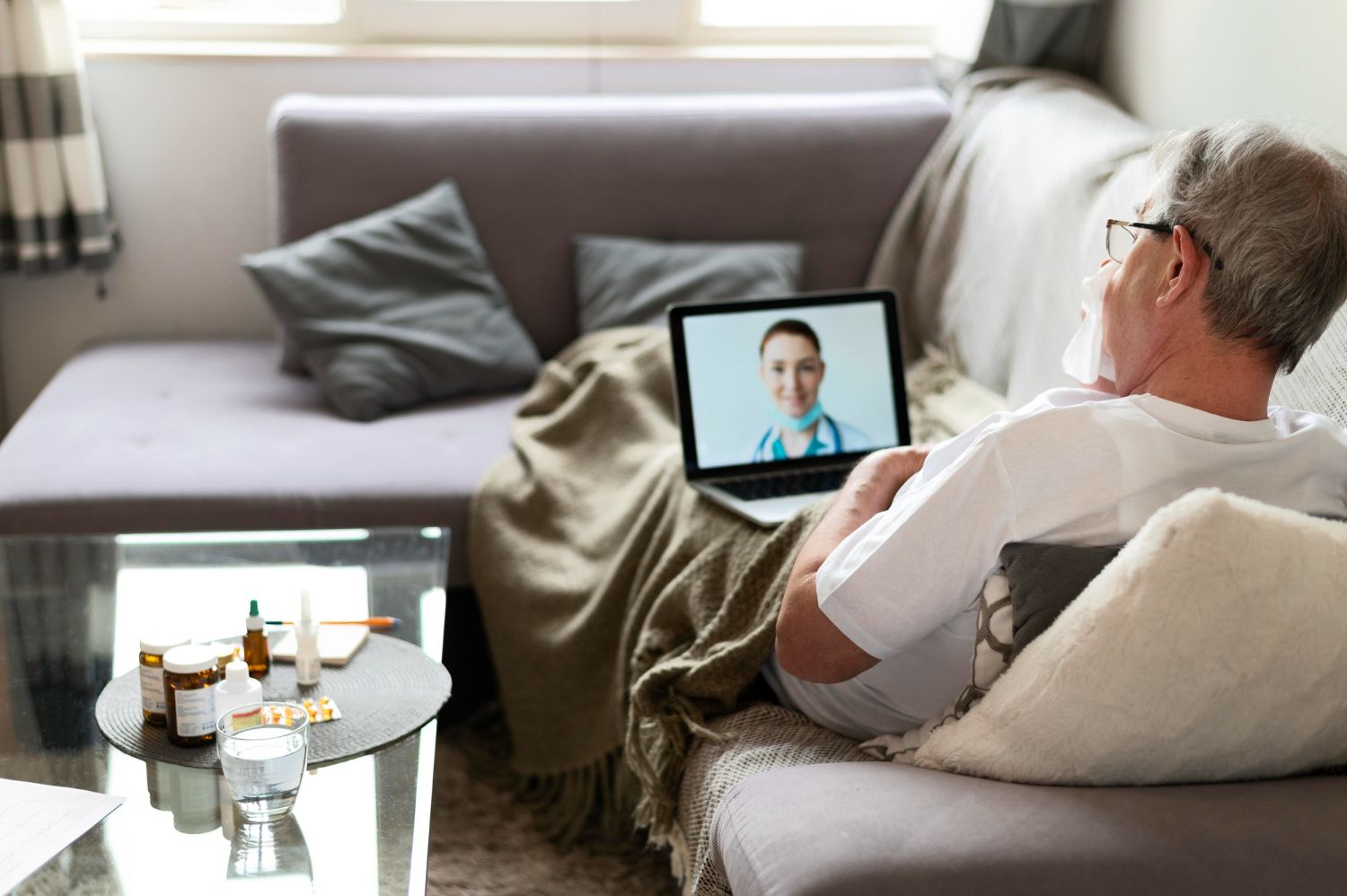


🏠 How AI-Powered Remote Patient Monitoring Supports Seniors Staying Home Longer
The desire to "age in place"—to remain at home and maintain independence as we grow older—is strong for many seniors. Fortunately, advancements in technology are making this wish a reality for more families. One of the most impactful developments in modern aged care is the integration of Artificial Intelligence (AI) into Remote Patient Monitoring (RPM) systems.
This technology is fundamentally changing how healthcare providers monitor and support seniors outside of traditional clinic settings. By giving doctors the ability to track health metrics remotely, AI-driven RPM provides a safety net that supports independence and improves quality of life.
📈 The Growing Need for Home Health Technology
As the population ages, the strain on residential care facilities and hospital systems grows. Families and healthcare systems are seeking solutions that offer high-quality care without requiring a move away from the comforts of home. RPM systems, especially those powered by AI, meet this demand directly.
These systems gather ongoing health data from seniors using simple, non-invasive devices. This data includes common health indicators like:
- Heart rate
- Blood pressure
- Oxygen levels
- Sleep patterns
When AI is applied to this flow of information, the capability of the monitoring system increases significantly, transforming raw data into actionable medical insights.
🔬 What is Remote Patient Monitoring with AI?
Remote Patient Monitoring (RPM) describes the use of digital technology to collect medical and other forms of health data from individuals in one location and electronically transmit that information securely to healthcare providers in a different location for assessment.
When AI is introduced to the RPM setup, it goes beyond mere data collection. AI algorithms are designed to recognize patterns, identify subtle changes in health status, and flag potential concerns automatically. Instead of a clinician having to manually review days or weeks of readings, the AI acts as a sophisticated filter and early warning system.
Key Functions of AI in RPM for Elderly Care:
- Anomaly Detection: AI learns the patient's baseline health patterns. If a senior's blood pressure shows a sudden, small dip that might be missed in a manual review, the AI algorithm identifies it as a deviation, prompting an alert. This early detection can signal conditions like dehydration or a reaction to medication before it becomes severe.
- Risk Prediction: By analyzing historical data along with current readings, AI can calculate the probability of future health events, such as a fall or an acute illness flare-up. This predictive power permits proactive intervention rather than reactive treatment.
- Data Reduction and Prioritization: For care providers managing hundreds of patients, the sheer volume of daily vital sign readings can be overwhelming. AI processes the data and presents only the readings that require immediate attention, freeing up nurses and doctors to focus their efforts where they are needed most.
- Personalized Care Adjustments: Over time, the system refines its understanding of the individual patient. This allows care protocols to become highly tailored to that senior’s specific biological rhythms and health responses, making treatment more precise.

✅ The Benefits for Independent Living
The core appeal of AI-driven RPM is its support for "aging in place." By reducing the need for frequent office visits and providing continuous oversight, seniors gain confidence in their ability to stay home, knowing medical attention is only an alert away.
Supporting Independence and Comfort
Many seniors fear losing their freedom or becoming a burden on their families. RPM systems offer a dignified way to manage chronic conditions like heart disease, diabetes, or COPD. The monitoring happens passively in the background, allowing the senior to focus on daily life, hobbies, and family, rather than feeling like a patient constantly under observation.
For families, these systems reduce anxiety. They receive reassurance that a sophisticated system is watching over their loved one, stepping in only when necessary. This often relieves some of the daily stress associated with acting as a primary caregiver while permitting better quality interactions during visits.
Improving Clinical Outcomes
From a medical standpoint, continuous monitoring leads to better health outcomes. Health declines often start slowly, with minor changes that are hard to catch during brief, weekly clinic appointments. Because AI is watching 24/7, these small changes are captured instantly.
For example, a slight, continuous increase in weight might be an early sign of fluid retention related to congestive heart failure. RPM flags this change, allowing the doctor to adjust medication or recommend dietary changes days or weeks before a crisis develops, potentially preventing an emergency room visit or hospital stay.
This proactive approach significantly decreases the occurrence of serious complications.
⚙️ How Remote Monitoring Works in Practice
Setting up an AI-based RPM system is straightforward and generally requires minimal technical ability from the senior.
- Devices and Data Collection: The senior receives simple devices—perhaps a wearable sensor, a smart blood pressure cuff, or a scale. These devices are often connected wirelessly and automatically send readings to a secure, cloud-based platform.
- AI Analysis: The raw data flows into the platform, where AI algorithms immediately begin processing it. The AI compares the new data point to the patient’s historical averages and established medical thresholds.
- Alerts and Communication: If the AI detects a reading that signals a risk, an alert is generated. This alert is routed according to priority. A low-priority alert might trigger a notification to a nurse to check the data later, while a high-priority alert (e.g., extremely low heart rate) may immediately contact the on-call physician or even emergency services.
- Caregiver Follow-Up: Healthcare staff then respond to the alerts, contacting the senior via video call (telehealth), phone, or scheduling an in-person visit if necessary. The system functions as a constant communication channel between the senior at home and their medical team.
🔒 Security, Privacy, and Trust
Any discussion of home health technology must address data security and patient privacy. Reputable RPM systems meet stringent health data protection standards. All transmitted data is secured and access is limited to authorized medical personnel.
Building trust in these systems is paramount. Seniors and their families need to know that the AI is a tool supporting human care, not replacing it. When implementing RPM, clear communication about how data is used, who sees it, and what triggers an alert helps build confidence in the technology. The goal is to provide peace of mind, not cause alarm, by having data reviewed responsibly.
➡️ The Future of Home Health
The move toward AI in home health is not a temporary trend; it is the path forward for supporting an aging population. As AI models become more refined and sensor technology becomes smaller and less intrusive, RPM will become standard practice. Future systems will likely monitor even more nuanced health indicators, perhaps even assessing gait changes to predict fall risk with greater accuracy.
By connecting medical insight with daily life, AI-powered remote patient monitoring stands as a powerful testament to technology’s ability to sustain independence and comfort for our older generations. It permits seniors to remain where they are happiest—at home—while receiving high-caliber, continuous support from their medical team.


