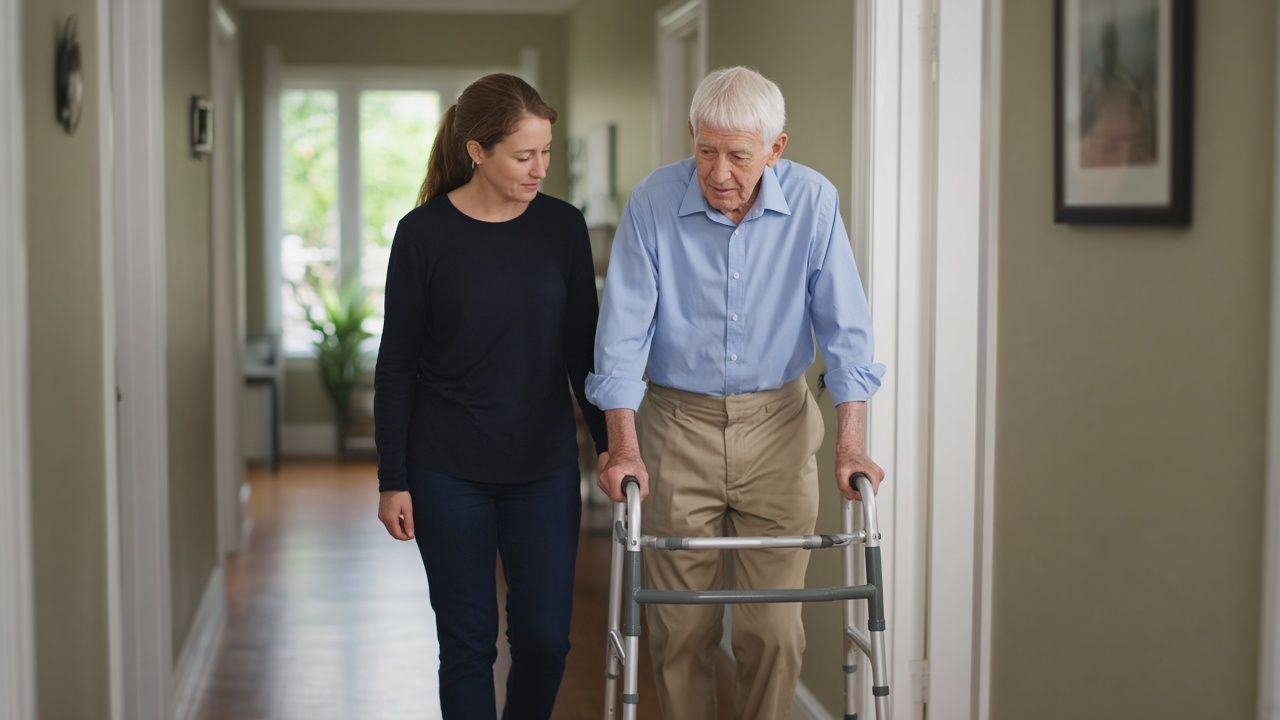


What defines quality of life in aged care is not a single clinical score or an activity calendar. It is the older person's experience of living with choice, connection, comfort and purpose alongside the care they need. Providers should ask the person what matters, observe changes and act on feedback. In Australian residential aged care, the national Quality Indicator Program also collects a specific quality-of-life measure; that reporting is not the whole of an individual's life.
Key Takeaways
- Quality of life describes the older person's lived experience, not only their health status or satisfaction with a provider.
- The residential aged care QI Program includes separate quality-of-life and consumer-experience indicators.
- Residential providers use the QOL-ACC tool for quality-of-life reporting; the QCE-ACC measures care experience.
- The Department says Support at Home quality indicators are still being developed, so residential QI reporting should not be presented as an existing home-care obligation.
What does quality of life mean to an older person?
Quality of life concerns how a person experiences their days: physical comfort, independence, emotional wellbeing, relationships and opportunities to do things that matter to them. A resident may value visiting family, choosing when to get up, maintaining a cultural practice or managing pain enough to take part in ordinary routines. The same offer of activities can have different value for different people. A good assessment listens before it labels an outcome.
Governa's quality-of-life definition gives a starting point; its entries on wellbeing and person-centred care offer related vocabulary. They do not supply a single universal goal for each resident. Ask the older person directly where possible and, when communication needs support, use appropriate assistance rather than assuming a proxy's priorities are identical to theirs.
Quality of life can change without a change in diagnosis. A resident might become less connected after a friend moves, or more comfortable when a care routine is adjusted. Conversely, a favourable clinical observation does not prove that the person feels heard. Providers need both personal conversations and a consistent way to look for broader patterns.
What does the national program actually measure?
The Department's QI Program overview says registered providers of residential aged care homes report on fourteen indicators, including quality of life and consumer experience, every three months. The Department is developing indicators for Support at Home. This distinction is important: a tool that can be used in home care research is not automatically a current mandatory home-care reporting requirement.
The Department's quality-of-life quick reference guide identifies the Quality of Life Aged Care Consumers tool, or QOL-ACC, for the residential indicator. The guide describes self-completion, interviewer-facilitated and proxy versions to support participation. It reports the proportion of assessed individuals who describe good or excellent quality of life, alongside information about modes of assessment and exclusions under the program rules.
QOL-ACC addresses dimensions including mobility, emotional wellbeing, social connection, independence, activities and pain management, as described in the Department's review of measurement tools. It is a structured measure, not a diagnosis. Its responses should prompt discussion and improvement; a high aggregate result cannot rule out a serious problem for one resident.
Providers should work from the current QI Program Manual collection for assessment, exclusions and submission instructions. The collection identifies a current Part A dated September 2026 and retains older editions. Using an old instrument or mixing manual versions can make comparisons misleading. Keep the version used for each reporting period in the local procedure.
How is consumer experience different?
Consumer experience concerns how a person experiences the care and service they receive. The Department's consumer-experience quick reference guide identifies a different tool, Quality of Care Experience Aged Care Consumers, or QCE-ACC. It asks about the experience of care, while QOL-ACC concerns broader quality of life. Both appear as distinct indicators in the residential QI Program.
Suppose a resident reports that staff are courteous but no longer sees friends or participates in a valued hobby. A care-experience measure might capture positive staff interaction, while a quality-of-life discussion surfaces a social loss. The reverse is also possible: someone may feel connected to family but be frustrated by how decisions about care are communicated. Treat the two sources as complementary, not interchangeable.
A provider should not replace either prescribed residential indicator with an informal satisfaction questionnaire and still call the submission a QI Program return. Informal feedback is valuable for local improvement, but it has a different purpose and collection method. Record what each measure can tell you and where a conversation or care review is needed to understand why a result changed.
How should a provider gather a person's perspective?
Offer the appropriate assessment mode and respect a person's choice not to participate, following the current manual's rules. A facilitated interview can help someone who has trouble reading or writing. A proxy option exists where a person cannot complete the tool themselves through other modes. Track the mode used and the reasons for exclusions rather than treating missing responses as neutral scores.
Look at individual feedback alongside care plans, incident information and routine conversations. A report may say someone is socially isolated; the follow-up question is what connection they want, whether access barriers exist and what the care team can change. A resident who prefers quiet time should not be pressured into group events to satisfy a generic participation target. Obtain consent for sharing sensitive details and use the provider's privacy processes when reporting aggregate data.
Families can help identify a person's long-standing preferences, particularly when communication is difficult, but the person's own wishes and rights remain central. Ask whether an interpreter, communication aid or different time of day would let the person participate more directly. Document the method and its limitations. A proxy response is not proof of the person's private feelings; it is one supported way to collect information under the program.
What turns measurement into better daily care?
Close the loop on specific concerns. Agree an action with the resident, assign a staff owner and review whether the change made a difference. A request for easier access to a garden may involve mobility support, staffing and environmental checks. A complaint about pain needs clinical assessment by the appropriate practitioner, not a quality manager guessing at treatment from a survey answer.
At service level, review trends while retaining context. Changes in participation or proxy use may affect interpretation. Consider whether results differ by home, care cohort or reporting period, then test the explanation with residents and staff. A score is a signal for enquiry, not a ranking of individual lives. Governa's article on quality indicators and resident outcomes covers the wider indicator set; this article concerns the meaning and measurement of quality of life itself.
For home-care services, providers can still ask people about desired outcomes and act on feedback. Governa's discussion of home-care participant experience addresses that separate setting. Do not label residential QOL-ACC reporting an existing Support at Home QI duty while the Department says home-care indicators are in development. Check official updates before changing a home-care reporting procedure.
Keep measures in their proper place
Residential QI data supports comparison and oversight, but a resident's own goals may change faster than quarterly reporting. Review care after a significant change in health, relationships or circumstances, not only when a report is due. Explain results in plain language to the person and those they choose to involve. The provider should be able to identify not just a number submitted, but a specific improvement made in response to what people said.
Related Resources
- Department QI Program overview
- Current QI Program Manual collection
- Quality-of-life reporting guide
- Consumer-experience reporting guide
- Quality of life glossary
- Person-centred care glossary
Common Questions About Quality of Life in Aged Care
1. Is quality of life just physical health?
No. Health matters, but a person's relationships, independence, comfort, choice and meaningful activities also shape their lived experience.
2. What tool is used for residential quality-of-life reporting?
The Department identifies QOL-ACC for the residential QI Program. Providers should use the current manual for the permitted mode, exclusions and reporting requirements.
3. Is consumer experience the same measure?
No. The residential program uses QCE-ACC for consumer experience and QOL-ACC for quality of life. A positive care experience need not answer every question about daily life.
4. Does Support at Home have the same mandatory QI measure?
The Department says Support at Home quality indicators are being developed. Do not present the residential reporting framework as an existing home-care requirement.
5. Can a family member speak for a resident?
The residential tool has a proxy version in appropriate circumstances. Providers should follow current guidance, support the person's own participation where possible and record which mode was used.
Let the Person Define the Goal
Start with what the older person values, then use structured measures to notice patterns that conversations alone may miss. Keep residential reporting and home-care development separate, and do not confuse care experience with the whole of quality of life. Review a concern with the person and an appropriate care professional. The practical test is whether the next care decision reflects what was learned.