

Key Takeaways
- Clinical Care is Baseline: Medical support is expected; it is not the main driver of resident satisfaction.
- The "Omelet Rule": True hospitality means meeting individual requests, such as cooking specific meals on demand.
- Lifestyle Focus: Food and daily activities have a greater impact on happiness than clinical routines.
- Emotional Bonds: Building relationships creates a sense of home and belonging.
- Saying Yes: A culture of responsiveness supports dignity and autonomy.
Clinical care is the foundation of any aged care facility. However, it is rarely the reason a family chooses a specific home or why a resident feels truly happy. In the modern landscape of Australian aged care, clinical excellence is a given. It is the minimum standard. The true area for growth and distinction lies in Person-Centred Hospitality. This philosophy moves beyond medical charts and schedules. It focuses on the day-to-day experiences that make life worth living.
When you adopt this approach, you recognize that a resident is more than a patient. They are an individual with preferences, history, and a desire for autonomy. This article examines how shifting your focus to service and lifestyle can transform your facility.
The Shift To Person-Centred Hospitality
For decades, the industry focused heavily on safety and medical compliance. While these remain important, they do not generate joy. The new standard requires you to treat residents as guests in their own home rather than subjects in a clinical ward.
This shift requires a change in mindset for your entire team. It involves:
- Viewing residents as active participants in their care.
- Moving away from rigid institutional schedules.
- Valuing resident preferences over staff convenience.
- Integrating hospitality principles into daily routines.
Why Food & Lifestyle Are The Real Differentiators
Families and residents expect high-quality clinical support. They do not view it as a bonus; they view it as a requirement. Therefore, you cannot compete on care quality alone. The factors that truly set a facility apart are Food & Lifestyle.
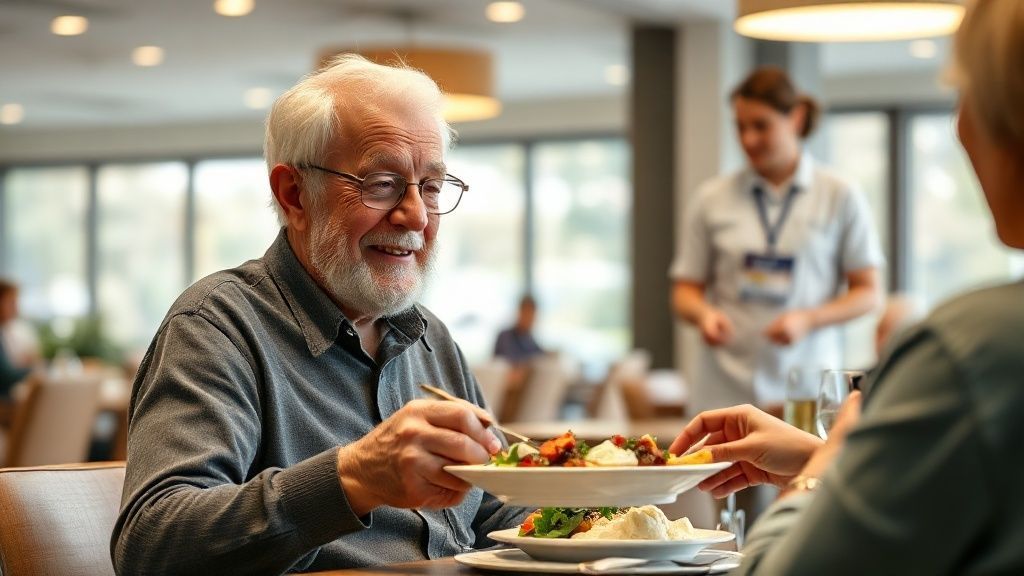
These elements represent the parts of the day that residents look forward to. A meal is not just nutrition; it is a social event and a source of pleasure. When you improve the dining experience, you directly improve the quality of life.
Consider the following differences between a clinical approach and a hospitality approach:
- Clinical Approach: Meals are served at set times on a tray. The menu is fixed.
- Hospitality Approach: Dining times are flexible. Residents have menu choices. The environment is restaurant-style.
To understand the practical application of this, you can look at expert insights. For example, listening to Dinesh Subramani on Transforming Food Service in Aged Care offers a clear perspective on how culinary changes drive satisfaction.
Prioritizing Dignity Through Responsive Service
Dignity is often lost in the details of institutional management. One of the most effective ways to restore Dignity is through responsiveness. This means the answer to a reasonable resident request should almost always be "yes."
The "Omelet on Demand" Philosophy
A perfect example of this philosophy is food flexibility. Imagine a resident asks for an omelet at 2:00 PM because they missed lunch or simply feel like having eggs.
- The Old Way: The kitchen is closed. Lunch service is over. The resident must wait for dinner or have a pre-packaged snack.
- The Governa AI Way: The staff member goes to the kitchen and prepares the omelet.
This small act proves that the facility respects the resident's schedule and desires. It confirms that this is their home. Denying a request like this reinforces the idea that the institution is in control, not the resident. Responsiveness in these moments is the highest form of respect.
Creating Emotional Connection Beyond Clinical Tasks
Tasks often dominate the day in aged care. Showers, medication rounds, and documentation can take up every spare minute. However, Emotional Connection is what residents crave most.
You must build a culture where staff are encouraged to pause and connect. This does not mean neglecting duties. It means understanding that a conversation is a form of care.
Strategies to Build Connection
- Assign Consistent Staff: Allow carers to work with the same residents to build trust.
- Encourage Personal Conversations: Staff should know about a resident's past profession, family, and hobbies.
- Create Shared Spaces: Design areas where staff and residents can sit together comfortably.
- Validate Feelings: Listen to concerns without immediately trying to "fix" them with a clinical solution.
Finding Joy In Daily Interactions
Joy is not a clinical outcome, but it is a vital human need. In a facility operating under strict routines, joy can be scarce. You can bring it back by focusing on the small details of daily life.
Joy often comes from autonomy. It is the ability to choose what to wear, when to wake up, and how to spend the afternoon. When you remove barriers to these choices, you allow residents to find happiness on their own terms.
Implementing Lifestyle Changes
To support a lifestyle focused on joy, consider these operational adjustments:
- Flexible Waking Times: Do not wake residents for the convenience of the morning shift.
- Personalized Activities: Replace generic bingo with clubs based on resident interests (e.g., gardening, book clubs, woodworking).
- Open Dining: Allow residents to eat when they are hungry, not just when the bell rings.
- Access to Outdoors: Make sure gardens and patios are accessible and safe without needing staff escorts constantly.
Conclusion
The philosophy of resident care is changing. Clinical excellence is no longer enough to satisfy residents or their families. By adopting Person-Centred Hospitality, you acknowledge that Food & Lifestyle are the true drivers of happiness.
This approach requires you to prioritize Dignity by saying "yes" to requests whenever possible. It asks you to foster Emotional Connection and find Joy in the everyday. When you treat residents with the hospitality they deserve, you create a facility that is not just a place to stay, but a place to live well.
Frequently Asked Questions
What is the biggest challenge in shifting to this model?
The biggest challenge is often staffing and culture. Changing the mindset from "completing tasks" to "serving residents" takes training and strong leadership. Staff may fear that being responsive (like cooking an omelet on demand) will disrupt their routine. You must show them that flexible care often reduces behavioral issues and stress in the long run.
Does a hospitality focus increase costs?
It can require an initial investment in training or food quality. However, it often leads to better occupancy rates and reputation. Facilities that offer superior lifestyle and food services are more competitive. Additionally, reducing food waste by cooking what residents actually want can save money over time.
How does this align with Australian Aged Care Quality Standards?
This philosophy aligns perfectly with the Standards, particularly regarding Consumer Dignity and Choice. The standards require providers to respect the consumer's identity, culture, and diversity. Focusing on hospitality and individual preference is the best way to meet and exceed these regulatory requirements.