

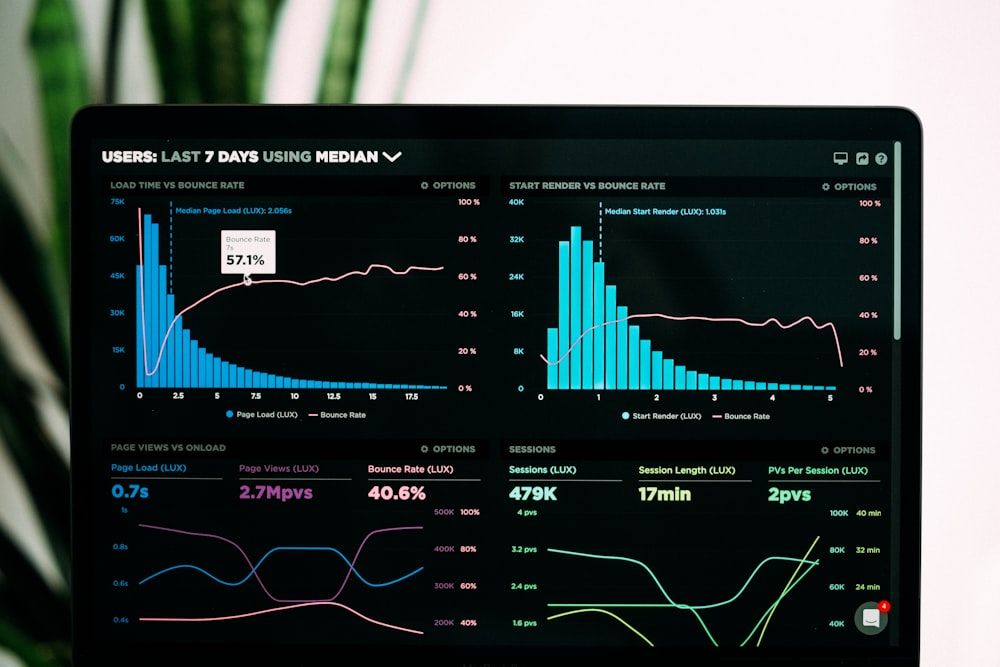


Data often tells a story; however, it does not always tell the whole truth. You might see your sales numbers going up and think your strategy is working perfectly. But what if your competitors are growing twice as fast? This is a classic blind spot. You are looking at your own performance in a bubble. To truly understand your position, you need to compare your data against Industry Benchmarks.
These benchmarks act as a yardstick. They help you measure your success against the wider market. Governa AI understands that leaders need more than just raw numbers. You need context to make safe and smart decisions. This article breaks down how to remove blind spots by using the right data comparison methods.
Key Takeaways
- Context is King: Raw data without comparison can lead to false confidence or unnecessary panic.
- Speed Matters: Using real-time analysis prevents you from relying on outdated information.
- Size Counts: Comparing against the largest commercially available data set gives you higher accuracy.
- True Performance: You must separate market trends from your actual internal improvements.
The Danger Of Data Without Context
Many businesses in Australia fall into the trap of "vanity metrics." These are numbers that look good on paper but do not offer real value. For example, gaining 100 new customers sounds great. But if the industry average for a business your size is 500 new customers, you are actually falling behind.
When you look at your own data in isolation, you miss the bigger picture. You might celebrate a small win while a major threat grows unnoticed. This lack of context creates blind spots. These blind spots can lead to:
- Misallocated Budget: Spending money on strategies that are not actually working.
- Missed Opportunities: Failing to spot a gap in the market that competitors are filling.
- False Security: Believing you are a market leader when you are actually losing market share.
To fix this, you must stop looking inward and start looking outward.
The Value Of Real-Time Analysis
Historical data is useful, but it has limits. Looking at a report from last quarter is like driving a car while looking in the rearview mirror. The market changes fast. Customer habits shift, and economic conditions fluctuate. To stay safe and competitive, you need real-time analysis.
Real-time data allows you to see what is happening right now. It helps you catch issues before they become permanent problems. Here is why speed is essential for context:
- Immediate Correction: If a campaign underperforms, you can fix it today instead of next month.
- Trend Spotting: You can identify a spike in demand the moment it starts.
- Agility: You can adjust your operations to match current market conditions.
Governa AI emphasizes the need for current data. When you compare your live performance against live market data, you get an accurate view of reality.
Using The Largest Commercially Available Data Set
Not all benchmarks are created equal. If you compare your performance against a small group of similar companies, the results might be skewed. A small sample size creates noise. It creates outliers that look like trends.
To get the most accurate picture, you must measure your work against the largest commercially available data set.
A massive data set removes the anomalies. It smooths out the weird spikes and drops that happen in smaller groups. When you use a large data set, you gain several advantages:
- Higher Accuracy: The average becomes a true representation of the market.
- Better Segmentation: You can filter the data to find comparisons that match your exact specific niche or size.
- Reduced Bias: It prevents you from choosing only the competitors that make you look good.
Reliable benchmarking requires a pool of data deep enough to drown out the noise. This allows you to see where you truly stand.
Separating Internal Wins From Industry Performance
Sometimes, a rising tide lifts all boats. If the economy is booming, your sales might go up even if your product has issues. Conversely, if the market crashes, your numbers might drop even if your team is performing heroically.
You must contextualize your data to separate your actions from general industry performance.
This distinction is important for rewarding your team and planning for the future. You need to answer this question: "Did we grow because we are smart, or because the market grew?"
- Scenario A: Your revenue grew 10%, but the industry grew 20%. In context, you actually underperformed.
- Scenario B: Your revenue stayed flat, but the industry dropped 15%. In context, you performed exceptionally well.
By applying this context, you can identify which strategies are genuinely effective. This protects you from cutting programs that are actually working well in a tough market.
How To Identify Genuine Improvement Opportunities
Once you have accurate benchmarks and context, you can start fixing problems. The goal is to move from "thinking" to "knowing." You can identify specific areas where you lag behind the standard.
Here is a simple process to use this data for improvement:
- Identify the Gap: Look for metrics where you are significantly below the benchmark.
- Verify the Context: Check if there is a logical reason for the gap (e.g., you are a newer business than the average).
- Set a Realistic Target: Don't aim for the top 1% immediately. Aim to match the average first.
- Monitor Progress: Use real-time data to track if your changes are closing the gap.
Governa AI suggests looking for patterns over time. A one-time drop is an accident; a consistent decline is a trend. Benchmarking highlights these trends so you can act on them.
Frequently Asked Questions
How often should I check benchmarks?
You should review high-level benchmarks quarterly. However, for operational metrics, you should check them weekly or monthly. Real-time comparisons are best for immediate tactical decisions.
What if my data is very different from the industry average?
This is not always bad. It might mean you have a unique business model. However, you must investigate why it is different. If you cannot explain the difference, it is likely a blind spot or a performance issue.
Can benchmarking hurt my business?
Only if you use the wrong data. Comparing yourself to a company with a totally different business model can lead to bad choices. Always make sure you are comparing apples to apples by using a large, segmented data set.
Conclusion
Blind spots in business occur when you look at your own data without looking at the world around you. To lead effectively, you must compare your results against Industry Benchmarks. This requires more than just a quick glance at a report. You need to use real-time analysis to stay current. You must compare your numbers against the largest commercially available data set to ensure accuracy. Finally, you must distinguish your own efforts from broader industry performance.
By following these steps, you remove the guesswork. You gain a clear, honest view of your business. This clarity allows Governa AI users to find real opportunities for growth and avoid costly mistakes. Context is the difference between data and wisdom.


