

Key Takeaways:
- Fragmented medical systems increase medication errors and risks.
- Integrated medical data creates a unified patient view, reducing errors.
- Vendor-neutral care is important for connecting different healthcare technologies.
- Governa AI offers an AI-driven data integration layer to connect systems.
- Real-time data access and improved decision-making are major benefits.
The healthcare industry in Australia faces a significant challenge: making sure that patient information flows smoothly between different medical systems. When patient data is scattered across many separate systems, it creates a "data gap." This gap can lead to serious problems, especially concerning medication safety. You need integrated medical data to make sure patients receive the correct medications at the right time, every time.
The Hidden Risk: Why Fragmented Medical Systems Lead to Medication Errors
Fragmented systems in healthcare mean that different parts of a patient's medical history are stored in separate places. For example, a hospital might use one system for patient admissions, another for lab results, and yet another for prescribing medications. These systems often do not communicate with each other.
This lack of connection increases the risk of errors and unsafe decisions. When healthcare providers cannot see a complete picture of your medical history, they might miss important details, such as:
- Allergies to certain medications.
- Other medications you are currently taking, which could interact negatively.
- Past adverse reactions to drugs.
- Changes in your health status that affect medication dosage.
The cost of medication errors is very high, both financially and in terms of human impact. Errors can lead to longer hospital stays, additional treatments, and, in severe cases, permanent harm or even death. For example, a recent report highlighted the need for better security measures in healthcare data systems to prevent unauthorized access and potential data manipulation, which could further compromise medication safety.
Achieving Vendor-Neutral Care through Medical Data Integration
Vendor-neutral care refers to a healthcare environment where different technology systems, regardless of who made them, can work together. It is important in modern healthcare because it allows you to choose the best tools for your needs without being stuck with one company's entire suite of products.
The necessity of seamless medical data integration for a unified patient view cannot be overstated. Imagine a single point where all your medical information-from your GP visits to specialist consultations and hospital stays-is available to your care team. This unified view helps healthcare providers make better, more informed decisions.
Moving beyond proprietary silos means breaking down the walls between different software systems. These "silos" often prevent data from being shared freely. By adopting a vendor-neutral approach, healthcare facilities can:
- Connect systems from various providers.
- Share information across departments and even different healthcare organizations.
- Improve coordination of care.
Governa: The AI-Driven Data Integration Layer Revolutionizing Safety
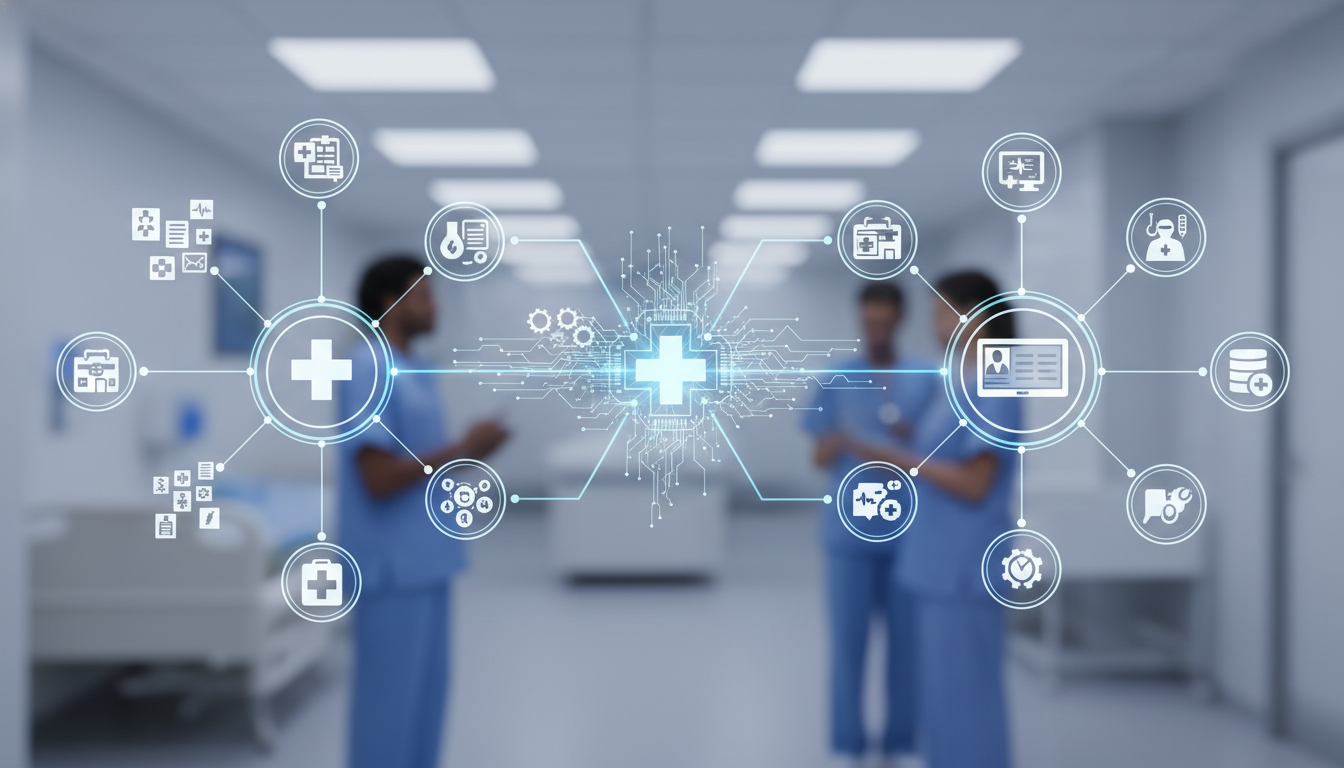
Governa AI offers an innovative solution to the data gap: an AI-driven data integration layer. This technology acts as a central hub, allowing different vendor-neutral care and medication systems to "speak to each other." It does this by creating a common language and structure for data, even when the original systems use different formats.
How does Governa AI work?
- It gathers data from various sources, like electronic health records (EHRs), pharmacy systems, and lab results.
- It then processes and standardizes this information.
- Finally, it makes the integrated medical data available to authorized healthcare professionals in a clear, usable format.
This creates an integrated medical data framework for safer decisions. For example, an AI compliance assistant can use this integrated data to flag potential medication interactions or dosage errors before they happen, providing an extra layer of safety.
Key Benefits of an Integrated Medical Data System
Implementing an integrated medical data system brings many advantages to Australian healthcare providers and patients.
- Real-time data access for clinicians: Doctors and nurses can access your most current medical information instantly. This means they do not have to wait for faxes, phone calls, or manual data entry.
- Improved decision-making and reduced risk of errors: With a complete and up-to-date picture of your health, healthcare professionals can make more accurate diagnoses and prescribe safer treatments. This directly reduces the chances of medication errors.
- Enhanced efficiency and reduced administrative burden: Staff spend less time searching for information or manually transferring data. This frees them to focus more on patient care. An integrated system also helps with hazards management by providing a clearer view of potential risks and allowing for quicker responses.
Conclusion: Paving the Way for Safer Medication Management
The importance of integrated medical data in improving medication safety cannot be overstated. By connecting fragmented systems and creating a unified view of patient information, healthcare providers can significantly reduce errors and provide better care. Governa AI's AI-driven data integration layer offers a powerful tool to achieve this goal, supporting vendor-neutral care and creating a safer environment for patients across Australia. The future of medication safety truly relies on smart technology and strong integration.
Ready to see how an AI-driven data integration layer can transform medication safety in your facility?Book A Demo