

Key Takeaways
- Real-time data helps you identify infections before they spread.
- A dedicated IPC lead needs accurate information to make fast decisions.
- Connected systems make sure all staff see the latest health protocols.
- Proactive care reduces the impact of outbreaks on residents and staff.
- Digital tools simplify reporting for Australian aged care standards.
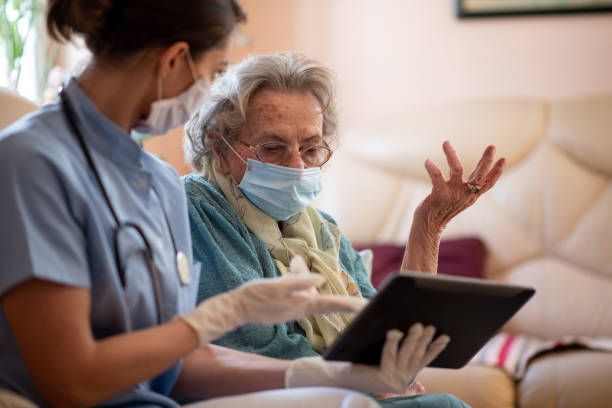
Managing a facility requires constant attention to the health of your residents. Infection control aged care is a top priority for every manager in Australia. When you use real-time data, you move from reacting to problems to stopping them before they start. This approach protects your residents and keeps your staff safe. Governa AI provides the tools you need to manage these risks effectively. By watching data as it happens, you can spot trends that might indicate an illness is moving through your building.
Understanding Infection Control in Australian Aged Care
In Australia, the standards for aged care are very strict. You must show that your facility is doing everything possible to prevent illness. This involves more than just cleaning schedules. It involves a deep look at how germs move and how your team responds to them.
- You need to track every case of illness.
- You must report certain outbreaks to health authorities.
- Your staff must follow specific hygiene rules every day.
- You have to keep records of vaccinations and health checks.
Using paper files or old spreadsheets makes this hard. When information is buried in a folder, you might miss the start of an outbreak. Digital systems allow you to see the big picture. You can see which wing of the building has more coughs or fevers. This clarity is the first step in keeping your facility safe.
The Role of Real-Time Data in Outbreak Management
When an illness starts, every minute matters. Outbreak management is about speed and accuracy. If you wait two days to realize three people have the same symptoms, the germ has already spread. Real-time data changes this timeline.
- Immediate Alerts: Your system can tell you the moment a second resident shows similar symptoms.
- Resource Allocation: You can see where you need more masks or gloves right away.
- Staff Movement: You can restrict staff from moving between clean zones and infected zones based on live data.
- Communication: You can update families and doctors with accurate facts immediately.
Your facility can see better results by using the Governa Connect Ecosystem to link all your data points. This helps you see how different parts of your facility are performing. When all your information is in one place, you do not have to waste time looking for files during a crisis.
How an IPC Lead Uses Data for Preventative Care
Every aged care home in Australia must have an IPC lead. This person is responsible for infection prevention and control. Their job is to look for risks and fix them. Without good data, an IPC lead is just guessing.
With real-time data, the IPC lead can focus on preventative care. They can look at hand hygiene rates or check if cleaning tasks are finished on time. They can also track:
- Antibiotic use among residents.
- Trends in seasonal flu or other viruses.
- Compliance with PPE (Personal Protective Equipment) rules.
- Training gaps among the nursing and care staff.
When the IPC lead has a dashboard, they can see a "heat map" of the facility. If one hallway has a lot of infections, they can investigate the cause. Maybe a shared bathroom needs more cleaning, or a specific staff member needs more training. Data makes these problems visible so you can fix them.
Improving Aged Care Health and Safety Standards
The safety of your residents is your main goal. Aged care health and safety involves many moving parts. You have to balance the comfort of the residents with the need for a sterile environment. Real-time data helps you find this balance.
- Record Keeping: Digital logs are harder to lose than paper ones.
- Audit Readiness: When the Quality and Safety Commission visits, you can show them your data instantly.
- Risk Assessment: You can identify which residents are at the highest risk based on their health history.
- Environmental Checks: Track room temperatures and air quality to help prevent respiratory issues.
By using a system that tracks these factors, you create a culture of safety. Your staff will know that their work is being monitored for the good of the residents. This leads to higher standards across the whole team.
Connected Systems and Protocol Access
One of the biggest challenges in a busy facility is making sure everyone knows the rules. IPC protocols change often. During a health crisis, the rules might change every week. If you rely on posters on the wall, your staff might be using old information.
Connected systems solve this problem. When you update a protocol in your central system, it changes on every device in the building. This makes sure that:
- Nurses on the night shift see the same rules as the day shift.
- Casual staff have access to the right steps for cleaning or isolation.
- There is no confusion about which chemicals to use for specific germs.
Faster identification of infections happens when your systems "talk" to each other. For example, if the kitchen logs a change in how much a resident eats, and the nurse logs a slight fever, the system can flag a potential infection. This containment strategy keeps the rest of the facility healthy. Access to the latest protocols means your team can act with confidence. They do not have to stop and ask a manager what to do because the answer is on their tablet or phone.
Steps to Implement Proactive Infection Control
If you want to move to a data-driven model, you should follow a clear plan.
- Step 1: Audit your current tools. Look at how you track infections now. Is it on paper? Is it in an old database?
- Step 2: Assign a clear IPC lead. Make sure they have the time and authority to use new data tools.
- Step 3: Connect your data. Use a system that brings together health records, cleaning logs, and staff schedules.
- Step 4: Train your team. Show your staff how to enter data quickly so it is always fresh.
- Step 5: Review and adjust. Look at your reports every week. See where you can improve your preventative care.
Governa AI helps you through these steps by providing a clear interface. You do not need to be a computer expert to understand the reports. The goal is to make the data work for you, not the other way around.
Conclusion
Managing infections in aged care is a difficult but necessary task. By moving toward real-time data, you give your facility the best chance to stay healthy. You support your IPC lead and improve the overall aged care health and safety of your home. Connected systems allow you to spot problems early and contain them fast. This protects your residents, your staff, and your reputation. With the right tools and a focus on preventative care, you can manage outbreaks with confidence and precision.
Frequently Asked Questions
What is the main benefit of real-time data in aged care?
The main benefit is speed. You can see health trends as they happen. This allows you to stop a small problem from becoming a large outbreak. It also helps you stay compliant with Australian health regulations.
How does an IPC lead use these systems?
An IPC lead uses the data to monitor hygiene and infection rates. They can see which areas of the facility need more attention. The data helps them create better safety plans and train staff where it is needed most.
Why are connected systems better than manual tracking?
Manual tracking is slow and often has mistakes. Connected systems share information across the whole facility instantly. This makes sure that every staff member has the latest protocols and knows exactly what to do during an outbreak.
Can real-time data help with government audits?
Yes. Digital systems keep a clear record of every action you take. When auditors ask for proof of your infection control measures, you can provide detailed reports with one click. This shows that you are meeting all safety standards.
How does this improve resident safety?
It improves safety by reducing the time a resident is exposed to an infection. When you identify a sick resident quickly, you can provide care and isolate them from others. This keeps the rest of the community healthy and safe.