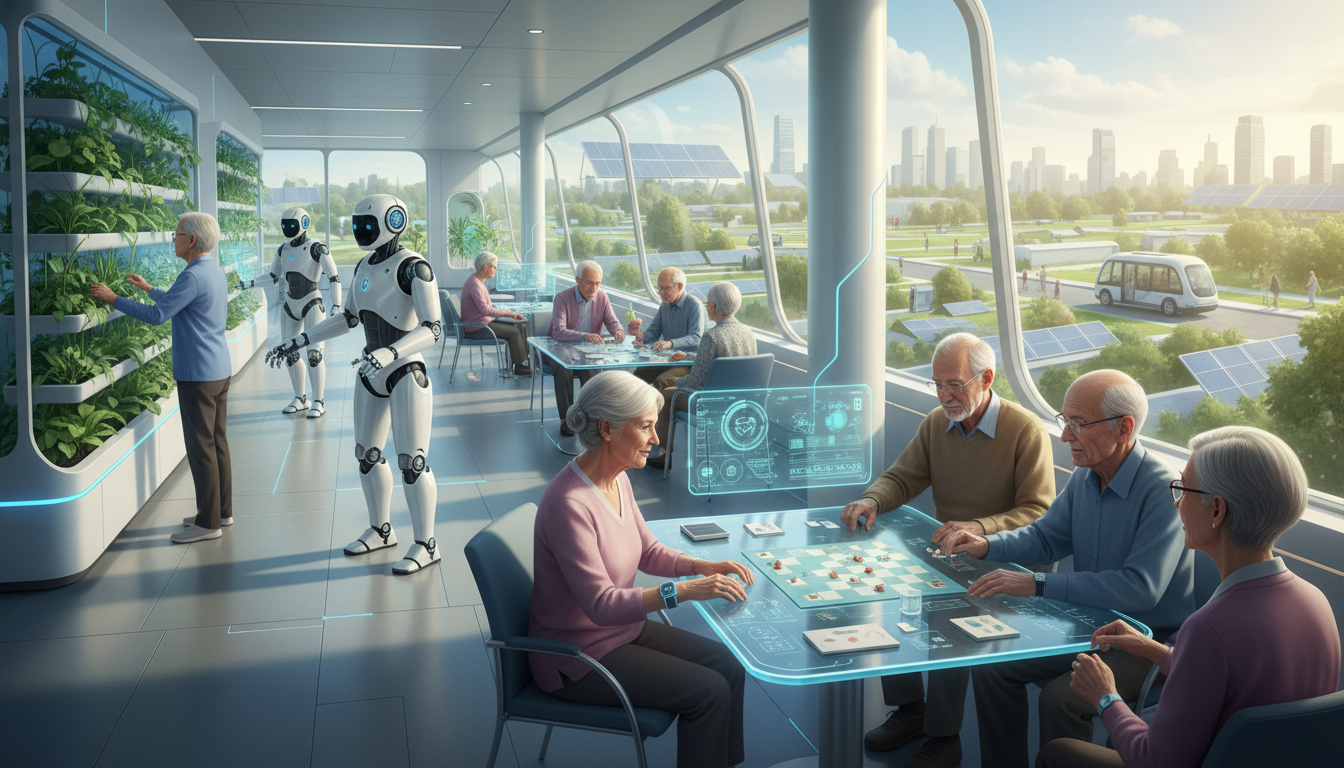


The way we care for our aging population is changing rapidly. As lifespans increase and the number of older adults grows, new solutions are needed to support independence, maintain well-being, and provide quality care. Artificial intelligence (AI) and robotics are at the forefront of this transformation, offering groundbreaking ways to address the challenges facing aged care today and tomorrow. This shift isn't just about making tasks easier; it’s about giving seniors the ability to age in place safely and with dignity.
How AI is Shaping Independent Living for Seniors
A major goal in aged care is enabling older adults to remain in their homes for as long as possible—a concept known as “aging in place.” AI-powered technologies are making this safer and more comfortable than ever before.
Smart Home Safety Systems
Modern homes are increasingly becoming "smart environments" that automatically adjust to the needs of their residents. For seniors, this technology provides a critical safety net.
- Fall Detection and Alerts: AI-enabled cameras and sensors can monitor movement patterns. If a resident falls or remains motionless for too long, the system automatically recognizes the incident and alerts caregivers or emergency services instantly. This swift response is crucial for improving outcomes after an accident.
- Voice-Activated Control: Simple, intuitive controls are essential. Voice assistants allow seniors to manage lights, thermostats, and entertainment systems without needing to physically move or manipulate small buttons. This capability is especially helpful for those with mobility restrictions or dexterity issues.
- Predictive Health Monitoring: Beyond immediate incident response, AI systems analyze daily data streams—such as movement, sleep patterns, and vital signs collected by wearable devices—to spot subtle changes that might signal an impending health issue. By identifying these trends early, caregivers can intervene before a minor problem turns serious.
The Rise of Robotic Assistance
Robots are moving out of the factory and into the home, acting as helpers and companions for older adults. These devices are designed to supplement, not replace, human connection, making daily life easier and safer.
- Mobility and Physical Tasks: Robotic aids can assist with difficult physical activities, such as transferring a person from a bed to a chair or assisting with walking. These tools reduce the physical strain on both the senior and any human caregivers.
- Domestic Help: Domestic butler robots, a concept once confined to science fiction, are becoming a reality. They can perform routine household chores, fetch items, and ensure environments are tidy and safe, removing common obstacles and reducing the risk of falls.
- Companion Robots: Loneliness and social isolation are serious health concerns for many older adults. Companion robots, such as Buddy, are designed to build connections. They can interact socially, remind seniors to take medication, and provide cognitive stimulation through games and conversations, serving as a trusted ally for well-being.
Transforming the Delivery of Care in Facilities
AI is proving equally useful in nursing homes and assisted living facilities, helping staff manage their workloads and dedicate more time to direct resident interaction.
Data-Driven Decisions and Personalized Care
Care software guided by AI is fundamentally changing facility management.
- Automated Tracking: Software can track daily activities, from medication timing and toilet visits to bathing routines. This detailed data frees up nurses from tedious paperwork and data entry, allowing them to focus on hands-on care.
- Risk Assessment: AI algorithms analyze resident data to assign risk scores for various conditions, like pressure ulcers or recurring infections. This helps staff prioritize care, allocating resources to residents who need the most immediate attention.
- Staff Support: AI can help plan staffing schedules, matching caregiver skills with resident needs and ensuring appropriate coverage at all times. By forecasting busy periods or potential issues, facilities can maintain a high standard of care delivery.
Future Trends: What Aged Care Will Look Like in 2035
Looking ahead, the integration of technology into aged care will become deeper and more ubiquitous. The concept of care will move beyond just the home or facility and integrate into the broader environment.
Next-Generation Robotics and Genomic Medicine
The next wave of robotics will include devices with greater dexterity and intelligence, making them capable of performing complex physical tasks currently handled only by humans. Coupled with advancements in genomic medicine, AI will soon inform highly personalized care plans. Genomic data analyzed by AI will predict an individual's specific health risks and tailor preventative care strategies, medications, and lifestyle recommendations long before symptoms appear. This shift toward predictive health is the true frontier of longevity and well-being.
Smart Cities for Seniors
The physical environment of our cities will also adjust to support aging populations. "Smart cities for seniors" refers to the development of city-wide AI infrastructure that caters to the needs of older residents. This might include:
- Intelligent Public Transport: Systems that adjust routes or timing based on the mobility needs of the elderly in a given neighborhood.
- Community Monitoring: Public sensors and AI systems that monitor the safety of common senior walking paths or public spaces, providing alerts for hazards or distress.
- Integrated Health Systems: City-wide networks that securely link a senior’s home monitoring systems, physician's office, and local emergency services for truly cohesive care.
Addressing Concerns: Ethics and Implementation
As AI becomes more involved in personal care, discussions about privacy, ethics, and human connection are essential.
Maintaining Human Connection
The goal of AI in aged care is not to substitute human interaction but to supplement it. By taking over monitoring and physically taxing tasks, AI systems actually free up human caregivers to spend more quality time connecting with and supporting seniors emotionally. Technology should act as a tool to maintain, not diminish, the human element of care.
Data Security and Trust
The systems rely on collecting sensitive personal and health data. Therefore, building trust requires strict adherence to data security and privacy regulations. Developers must design AI with transparency, ensuring that users and their families understand what data is being collected and how it is being used. Consent and control over personal information must always remain with the individual.
Conclusion
The evolution of aged care, driven by AI and robotics, marks a significant step forward in supporting independence and quality of life for our seniors. From smart homes that detect falls to robotic companions that combat isolation, these innovations are building a future where aging is synonymous with autonomy and excellent support. By adopting these technologies thoughtfully and ethically, society can be ready for the demographic shift, ensuring that every senior has access to care that is both advanced and deeply respectful of their individual needs.
Frequently Asked Questions About AI in Aged Care
What is the difference between an AI companion robot and a regular home assistant?
A regular home assistant, like a smart speaker, performs general tasks such as playing music or setting reminders. An AI companion robot, like Buddy, is often mobile, has a personality, and is designed specifically for senior well-being. It can track specific health data, provide cognitive stimulation through tailored activities, and often interacts more dynamically to combat isolation.
Does AI replace the need for human caregivers?
No. AI and robotics are tools meant to support and assist human caregivers. AI takes on the role of constant monitoring and physically demanding or repetitive tasks. This allows human staff and family members to focus their attention on emotional support, complex care needs, and building meaningful relationships, thereby making the human role more valuable.
Are these smart home technologies difficult for older adults to use?
The design focus for most senior care AI is simplicity and accessibility. Many systems rely on voice commands and background sensing technology (like fall detection sensors) that require no direct interaction from the senior. The goal is to make the technology helpful without requiring users to be technologically savvy.
How is privacy protected when using AI for monitoring seniors?
Privacy is managed through strong encryption, secure data storage, and strict adherence to health privacy laws. Systems are designed to minimize the collection of unnecessary data, and often, monitoring focuses on patterns of movement or behavior rather than continuous video streams. Users and families maintain control over their data permissions.