

Key Takeaways
- Cost-cutting in care can hurt residents. When businesses focus too much on saving money, it can mean fewer important supplies are available.
- Staff face tough choices. Workers often need to find ways to make do with what they have, like reusing items or using substitutes.
- Hygiene and care quality suffer. Not having enough supplies can lead to poor cleanliness and lower standards of care for residents.
- Management decisions matter. How a facility is run directly affects the resources available to staff and residents.
- Technology can help. Tools like Ai in Aged Care can help manage resources better and keep care standards high.
For-profit penny-pinching in Australian care facilities can have serious effects. When facilities put making money ahead of everything else, they often cut back on things that are needed. This means staff might not have the right tools or supplies to do their jobs well. You might wonder how this impacts the people receiving care. It often leads to situations where care quality is not what it should be.
The Hidden Costs of For-Profit Penny-Pinching
When a business focuses heavily on cutting costs, it can create many problems. These problems might not be clear at first glance. However, they can deeply affect the daily lives of residents and the work of staff.

Consider these points:
- Reduced Budgets for Supplies: Less money is put aside for important medical items, cleaning products, and personal hygiene supplies.
- Pressure on Staff: Workers feel pushed to do more with less, which can cause stress and burnout.
- Lower Staffing Levels: To save money, some facilities might have fewer staff members working at one time. This means each staff member has more people to care for.
- Training Limitations: There might be less money for staff training programs, which means workers might not get the latest information or skills.
These cost-saving choices, while aimed at increasing profits, often lead to a decrease in the overall standard of care.
When Supplies Fall Short: The Reality for Staff
Care staff are dedicated professionals who want to provide the best care possible. However, when faced with a lack of resources, they often need to make difficult choices. This can mean getting creative with limited items.
Here are some examples of what staff might face:
- Medical supply reuse: Staff may be forced to extend the life of items meant for single use. This could involve trying to clean and reuse certain medical tools or dressings when new ones are not available.
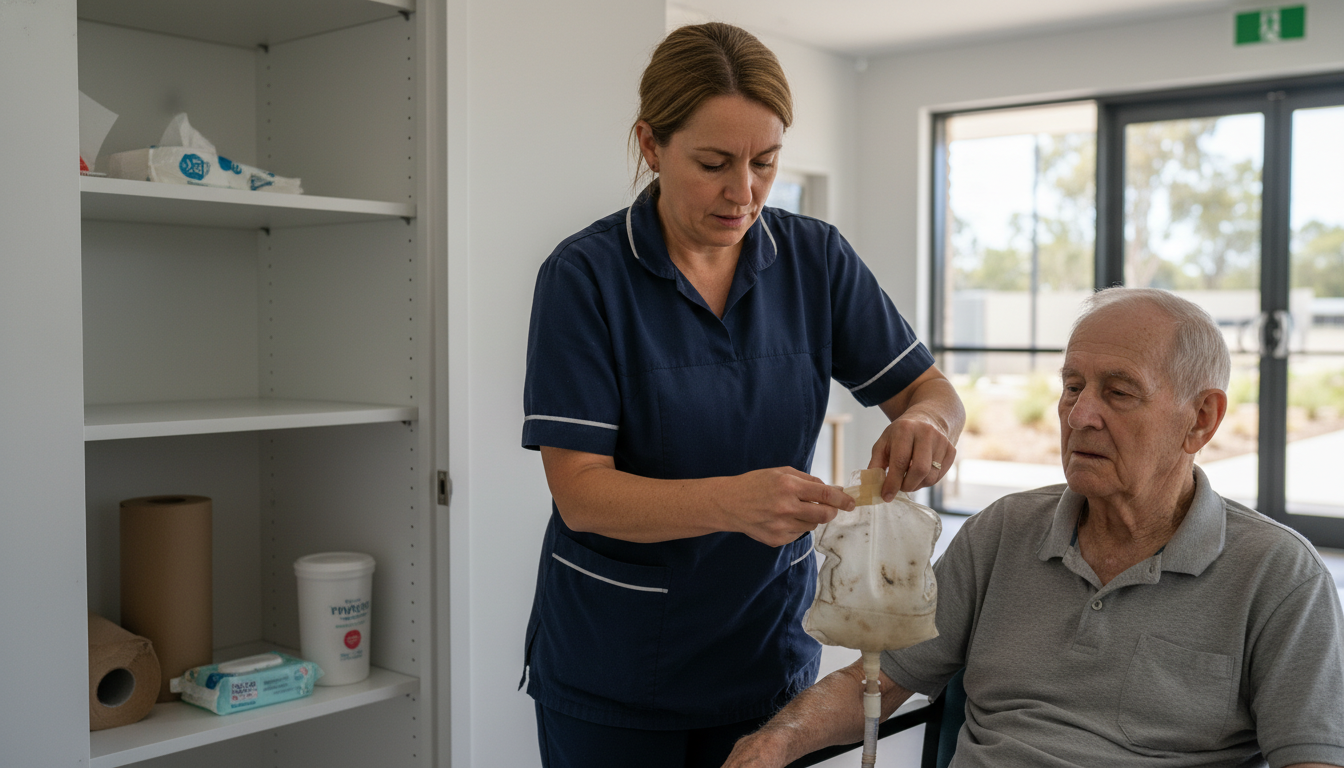
- Making do with less: For instance, if a facility runs out of proper colostomy bags, staff might use medical tape to try and re-seal or extend the use of existing ones. This is not ideal and can create risks.
- Substituting basic hygiene products: When there are no proper wet wipes, staff might have to use paper towels and water instead. This substitution is not as effective for personal hygiene.
- Limited protective gear: Sometimes, there might not be enough gloves, masks, or gowns, especially during times of high demand or illness. This puts both staff and residents at risk.
These situations are not due to a lack of effort from staff. They are often a direct result of management failure to purchase adequate supplies.
The Impact on Hygiene and Well-being
Inadequate hygiene products and practices have a direct and negative effect on residents' health and comfort. You expect a clean and safe environment, and when supplies are short, this expectation is hard to meet.
Problems that can arise include:
- Increased risk of infection: When items are reused or substitutes are used for cleaning, germs can spread more easily. This can lead to infections among residents.
- Skin irritation and discomfort: Using unsuitable products for personal care, like paper towels instead of wet wipes, can cause skin problems.
- Reduced dignity: Not being able to maintain proper hygiene can make residents feel less dignified and comfortable. This affects their emotional well-being.
- Unpleasant living conditions: A lack of cleaning supplies can lead to a less clean environment, which is unpleasant for everyone.
Maintaining a high standard of hygiene is basic to good care. When it is compromised, the well-being of residents is directly affected.
Understanding Management Failure
Management failure is a key reason why facilities might experience for-profit penny-pinching. When leaders prioritize financial gains above the needs of residents and staff, decisions are made that harm care quality.

Signs of management failure can include:
- Ignoring staff requests for supplies: Staff often report when supplies are running low, but these requests might be ignored or delayed.
- Lack of proper budgeting: Not planning enough money for essential supplies can lead to shortages.
- Poor oversight of inventory: Not keeping track of what is in stock means facilities can run out of items without warning.
- Focus on short-term savings: Managers might choose cheaper, less effective products to save money immediately, but this can cost more in the long run due to health issues or complaints.
Effective management means balancing financial health with the responsibility to provide excellent care. When this balance is lost, care suffers.
How Compromised Care Quality Affects Everyone
Compromised care quality does not just affect the residents. It has a ripple effect that touches staff, families, and the reputation of the facility. You might see the consequences in many ways.
Consider these broader impacts:
- Resident health issues: As mentioned, infections and discomfort can increase, leading to more health problems for residents.
- Staff morale and turnover: When staff feel they cannot do their job properly due to lack of resources, they become frustrated. This can lead to them leaving their jobs.
- Family distress: Seeing a loved one receive poor care is very upsetting for families. They expect their family members to be safe and well-cared for.
- Damage to reputation: Facilities known for poor care quality will lose trust from the community. This can make it hard to attract new residents or good staff.
- Regulatory problems: Poor care can lead to inspections and penalties from government bodies that oversee care standards. To help facilities meet these standards, tools like aged care compliance software can be very useful. This software helps manage and track compliance requirements, reducing the risk of penalties.
Ultimately, cutting corners on care quality creates a negative situation for everyone involved.
Addressing the Root Causes
To improve care, we need to look at why for-profit penny-pinching happens. It is not always a simple problem to fix, but understanding the reasons is the first step.
Possible reasons and solutions include:
- Financial pressures: Some facilities might face high operating costs. Solutions could involve better financial planning or looking for more efficient ways to operate without cutting essential services.
- Lack of transparency: Sometimes, it is not clear how money is being spent. Making financial decisions more open can help identify where problems exist.
- Insufficient regulation: If rules are not strict enough, some facilities might take advantage of the system. Stronger oversight from government bodies can help here.
- Education and awareness: Making everyone – from management to families – aware of the impact of cost-cutting can help create change.
By addressing these root causes, we can work towards a system where quality care is always the main focus.
The Role of Technology in Better Care
Technology plays a big role in improving care standards. It can help facilities manage resources better and keep track of compliance. When used correctly, technology can reduce the temptation for for-profit penny-pinching.
Ways technology can help:
- Inventory management systems: Software can track supplies, alert staff when stocks are low, and help order items efficiently. This prevents unexpected shortages.
- Digital care planning: Electronic systems allow staff to record care provided, track resident needs, and ensure everyone gets the right attention.
- Compliance tracking: Specialized software helps facilities meet all the rules and standards set by government bodies. This reduces the risk of penalties and ensures a base level of quality.
- Communication tools: Better communication between staff, management, and families can help address issues quickly before they become bigger problems.
By using modern tools, facilities can become more efficient and focused on providing high-quality care, rather than cutting corners.
Frequently Asked Questions
What does "for-profit penny-pinching" mean in care?
It means that a care facility, which aims to make money, tries to save money by cutting costs on important supplies, staff, or services. This is done to increase profits.
How does this affect residents?
It can lead to residents not getting the proper care they need. This includes problems with hygiene, a higher risk of infections, and a general decrease in their comfort and well-being.
Are staff members responsible for these issues?
No, staff members are usually doing their best with what they have. The issues often come from decisions made by management to save money, which results in a lack of resources for staff.
What can be done to improve the situation?
Improving the situation involves several steps. These include better management decisions, clearer rules from government bodies, and using technology to manage resources and care more effectively.