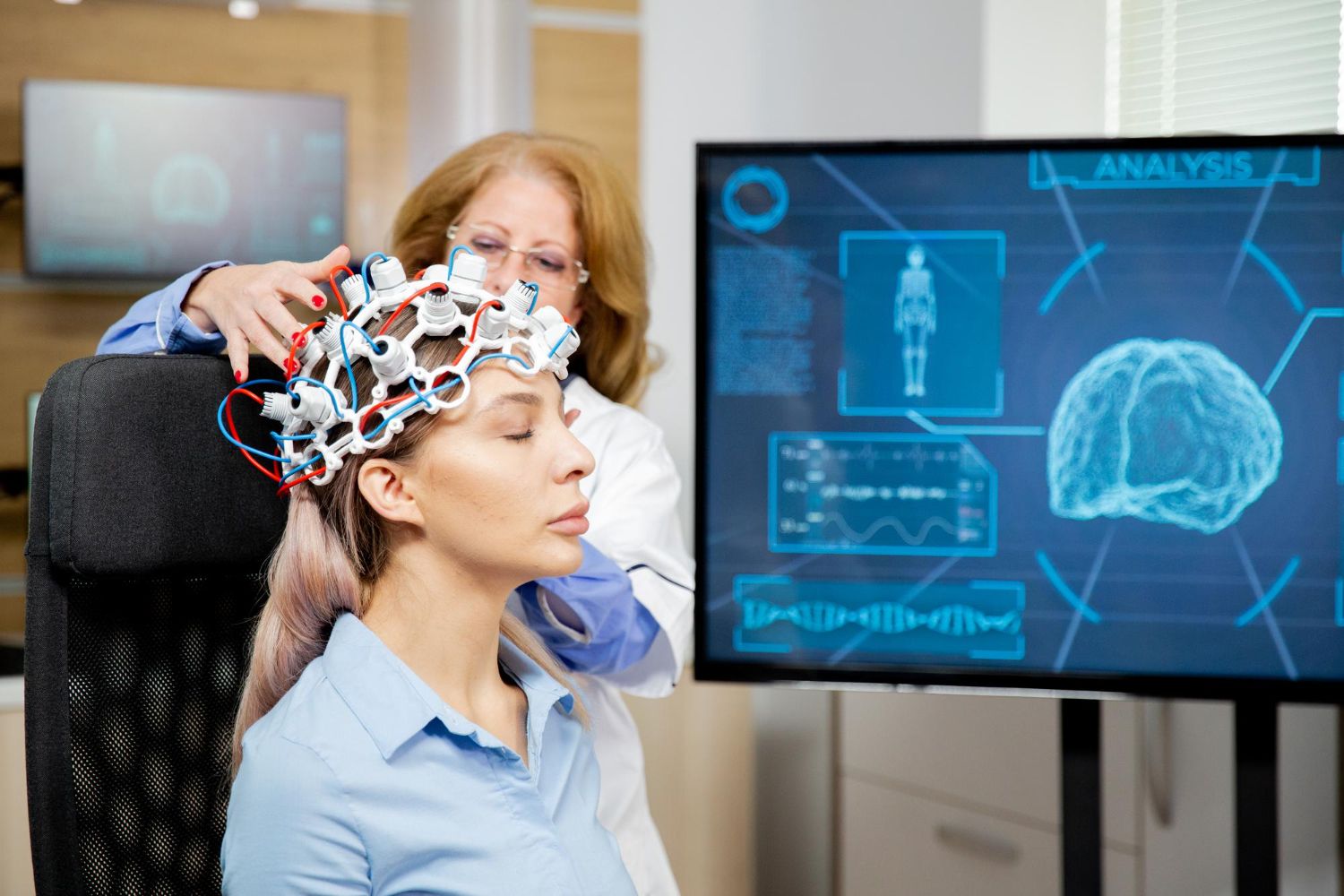


🧠 Artificial Intelligence: Transforming Early Dementia Diagnosis for Better Aged Care
Dementia, including Alzheimer’s disease, presents a significant challenge to global healthcare systems. As populations age, the need for earlier, more accurate identification of cognitive decline becomes increasingly pressing. For years, traditional diagnostic methods relied on subjective assessments and, often, late-stage indicators.
Today, a powerful shift is occurring: the integration of Artificial Intelligence (AI) into the diagnostic journey. AI is not replacing compassionate care; instead, it is supporting medical professionals by providing objective, timely insights, fundamentally changing how we approach the detection of age-related cognitive disorders.
The Problem with Late Diagnosis
When dementia is diagnosed late, intervention options are often limited, and families lose precious time that could be spent planning and adjusting to the disease’s progression. Late diagnosis typically means that significant neurodegeneration has already occurred.
Traditional diagnostic pathways often include lengthy cognitive tests, clinician observation, and ruling out other conditions. These processes can be time-consuming and sometimes lack the sensitivity to detect the most subtle, earliest changes that signal the onset of conditions like Alzheimer’s. Finding a way to spot these signs sooner is key to starting treatments or lifestyle adjustments that may slow progression or manage symptoms more effectively.
How AI Detects Subtle Signs of Cognitive Decline
AI systems, particularly those powered by machine learning, have a unique ability to process massive amounts of complex data—far beyond human capacity—and identify patterns that correlate with cognitive impairment. These patterns act as early warning signs, often appearing years before traditional symptoms manifest clearly.
The primary ways AI supports early dementia diagnosis fall into several critical categories:
1. Advanced Analysis of Medical Imaging (MRI and PET Scans)
One of the most established applications of AI in neurology is the automated reading and analysis of brain scans. While human radiologists meticulously review Magnetic Resonance Imaging (MRI), Computed Tomography (CT), and Positron Emission Tomography (PET) scans, AI tools can rapidly detect minute structural and metabolic abnormalities associated with neurodegenerative diseases.
- For instance, software can measure the volume of specific brain regions (like the hippocampus, which shrinks early in Alzheimer's) with remarkable precision.
- AI models can be trained on thousands of scans from healthy and impaired individuals to recognize disease signatures. This capability makes the diagnostic process quicker and more consistent.
Example: Tools like Neurophet AQUA, a proprietary software for brain neurodegeneration imaging analysis, are being studied in clinical settings to validate and refine methods for achieving high-precision identification of conditions like Alzheimer's. The Mayo Clinic has also developed an AI tool that can potentially identify nine types of dementia from a single scan.

2. Speech Pattern Recognition
Changes in how a person speaks—their word choice, rhythm, pauses, and tone—can be highly predictive of cognitive decline. AI systems can analyze speech patterns collected during simple conversational tasks. These algorithms are designed to recognize linguistic markers of cognitive impairment, even when the changes are too subtle for a casual observer to notice.
This method is appealing because it is non-invasive and can be conducted remotely. Studies have shown that automated speech analysis algorithms can accurately recognize cognitive impairment in different linguistic groups, offering a scalable method for preliminary screening.
3. Gait and Movement Analysis
The way a person walks—their gait—can also reveal clues about their neurological health. AI systems paired with sensors (or even standard video recordings) can analyze mobility patterns, looking for changes in stride length, speed, and balance. Subtle shifts in gait can be associated with early brain changes, making movement analysis an important data point in a multi-modal AI approach.
4. Biomarker and Data Interpretation
Biological markers (biomarkers) found in cerebrospinal fluid or, increasingly, in blood samples, offer chemical evidence of neurodegenerative processes (such as abnormal levels of Amyloid-beta and Tau proteins). Analyzing these complex biological indicators, sometimes alongside other clinical data, presents a significant data processing challenge.
AI algorithms excel at integrating disparate data points—from blood test results and genetic information to clinical records and imaging—to calculate an individual’s risk score or probability of having a specific condition. This approach moves diagnostic practice toward more individualized, accurate identification of disease status.
Note: Collaborative studies, such as the Enhanced Dementia Diagnosis (EDD) initiative, aim to rigorously assess the practical value of blood-based and other biomarkers in real-world clinical environments for managing Alzheimer's disease.
Integrating AI into Aged Care
The introduction of AI into aged care settings isn't about replacing the human element; it's about augmenting the capabilities of medical staff and carers.
Supporting Clinicians
For doctors and neurologists, AI acts as a sophisticated assistant, flagging high-risk patients and providing data-driven rationale for further testing. This speeds up the diagnostic pipeline and reduces the chance of human error or oversight. By focusing the clinician's attention where it is most needed, AI makes clinical time more effective.
Planning and Intervention
When AI contributes to an earlier diagnosis, it opens up a larger window for personalized planning. This includes:
- Clinical Trials: Identifying patients earlier means they are eligible for clinical trials of new treatments at a stage where the intervention may have the greatest impact.
- Proactive Lifestyle Adjustments: Patients and families can make informed decisions about diet, exercise, cognitive training, and managing other health risks (like high blood pressure or obesity) that contribute to cognitive decline.
- Legal and Financial Planning: Early knowledge allows individuals to maintain autonomy and participate fully in planning for their long-term care and financial affairs.
The Future: Continuous Monitoring
Looking ahead, AI may transition from a tool used primarily in the clinic to one integrated into daily life. Wearable devices and smart home technology, powered by AI, could provide continuous, unobtrusive monitoring of speech, sleep quality, and physical activity. Any significant deviation from a person's established baseline could trigger an automated alert, suggesting a need for clinical review. This proactive monitoring shifts the paradigm from reaction to prevention or, at the very least, early detection.
AI represents a significant step forward in our quest to understand and respond to dementia. By providing objective, measurable data points and spotting patterns invisible to the human eye, AI is becoming a foundation for more precise, timely, and impactful care strategies for older adults worldwide.