



Key Takeaways
- Dignity of risk allows residents to make their own choices, even if those choices have risks.
- Duty of care is your legal obligation to prevent foreseeable harm to residents.
- Strong documentation is the best way to protect your organization from legal issues.
- Care plans must show that you discussed risks and benefits with the resident.
- Following Australian Quality Standards helps you meet your legal and ethical duties.
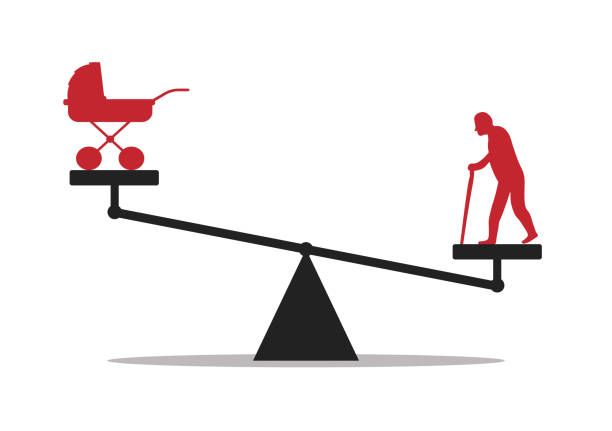
In the Australian aged care sector, you face a daily challenge. You must respect the dignity of risk for every person in your care. This concept means that every adult has the right to make choices about their own life. Sometimes, these choices involve taking risks that could lead to injury or harm. At the same time, you have a duty of care. This is a legal duty to keep people safe and prevent harm. Finding the middle ground between these two ideas is a major part of your job. Governa AI helps you manage this balance through better data and clear processes.
Understanding Resident Choices and Autonomy
Every resident has a unique history and set of values. When they move into a care facility, they do not lose their right to choose. Resident choices can cover many parts of daily life, such as:
- Choosing what food to eat, even if it does not fit a strict diet.
- Deciding to walk without a frame, even if they might fall.
- Staying up late or waking up early.
- Taking part in activities that carry some physical risk.
When you support these choices, you help the person feel in control. This is good for their mental health and well-being. However, you cannot simply ignore the dangers. You must talk to the resident about the possible outcomes of their decisions. This talk should be honest and easy to understand. You must explain what might happen if things go wrong.
Managing Organizational Liability in Your Facility
Your facility has a legal responsibility to provide a safe environment. If a resident gets hurt, people might look at your organizational liability. This means they will check if you did your job correctly. To protect your business, you must show that you were not negligent.
Negligence happens if you fail to act when you should have. To avoid this, you need a clear system for tracking risks. A central part of your safety system is the Risk Registry, which helps you track every known hazard.
To manage liability, your team should:
- Identify every potential risk in the facility.
- Assess how likely it is that someone will get hurt.
- Decide what steps can make the activity safer without taking away the resident's choice.
- Write down every conversation you have with residents and their families about risk.
Creating Better Care Planning Processes
Good care planning is the bridge between safety and freedom. It is not a one-time task. It is a process that changes as the resident's needs change. A strong plan shows that you have thought about the resident's wishes and the risks involved.
When you create a plan, follow these steps:
- Talk to the resident about what they want to do.
- Identify the risks of that specific activity.
- Look for ways to lower the risk. For example, if a resident wants to walk alone, make sure the floors are not slippery.
- Document the resident's understanding of the risk.
- Get agreement from the resident or their legal representative.
Documentation is your best defense. If an accident happens, your records will show that you respected the resident's rights while also trying to keep them safe. Use clear language in your notes. Avoid vague terms. State exactly what was discussed and what was decided.
Meeting Australian Compliance Standards
In Australia, the Aged Care Quality Standards set the rules for your facility. These compliance standards require you to support residents in living the life they choose. Standard 1 specifically talks about consumer dignity and choice. It says that residents should be supported to take risks.
To stay compliant, you must prove that:
- Residents are encouraged to make their own decisions.
- You have systems to manage the risks associated with those decisions.
- Your staff understands the difference between safety and control.
- You regularly review your risk management processes.
The Aged Care Quality and Safety Commission looks for evidence of these things during audits. They want to see that you are not just "playing it safe" by stopping residents from doing what they love. They also want to see that you are not being reckless.
How to Support Autonomous Risks Safely
Supporting a resident's right to take risks does not mean you are being careless. It means you are being a partner in their life. You can support autonomy by:
- Training staff on the legal rights of residents.
- Using "Positive Risk-Taking" frameworks.
- Involving families in the conversation so they understand why a resident is allowed to take a certain risk.
- Using technology to monitor safety without being intrusive.
When everyone understands the goal, the fear of liability decreases. You can focus on the quality of life for the resident. This approach builds trust between your staff and the people they care for.
The Role of Clear Communication
Communication is the most important tool you have. Many legal problems start because of a lack of talk. If a family does not know that their loved one chose to take a risk, they may be angry if an accident happens.
Make sure you:
- Hold regular meetings with residents and families.
- Explain the "why" behind every care decision.
- Listen to the concerns of the staff who work on the floor every day.
- Keep your records up to date so anyone can see the history of a decision.
Frequently Asked Questions
What is the main difference between dignity of risk and duty of care?
Dignity of risk is the right of a person to make choices that might lead to harm. Duty of care is the legal duty of a provider to take reasonable steps to prevent harm. The goal is to find a way to respect the choice while making the situation as safe as possible.
Can a resident take any risk they want?
A resident has the right to take risks that affect themselves. However, they do not have the right to take risks that put other people in danger. For example, a resident can choose to eat food they are allergic to, but they cannot choose to smoke in a way that starts a fire and puts others at risk.
Does a signed waiver protect my facility from all liability?
No. In Australia, a waiver does not take away your duty of care. You still must provide a safe environment and follow all laws. A waiver or a signed risk agreement is simply evidence that you discussed the risk with the resident. It is one part of your documentation, but it is not a total shield.
How often should we review risk in a care plan?
You should review risks whenever there is a change in the resident's health or behavior. You should also do regular reviews, such as every six months. Regular reviews show that you are paying attention and keeping the resident's safety and choices in mind.
What should I do if a family disagrees with a resident's choice to take a risk?
If the resident has the mental capacity to make the decision, their choice comes first. Your role is to talk to the family and explain the legal right of the resident to take that risk. You should document the family's concerns and the talk you had with them.
Conclusion
Balancing the rights of residents with the safety of your organization is a constant task. By focusing on dignity of risk, you honor the people you serve. By focusing on organizational liability through strong care planning and compliance standards, you protect your business. Governa AI is here to help you manage these complex needs with smart tools and clear data. When you have the right systems in place, you can support resident freedom with confidence.


