

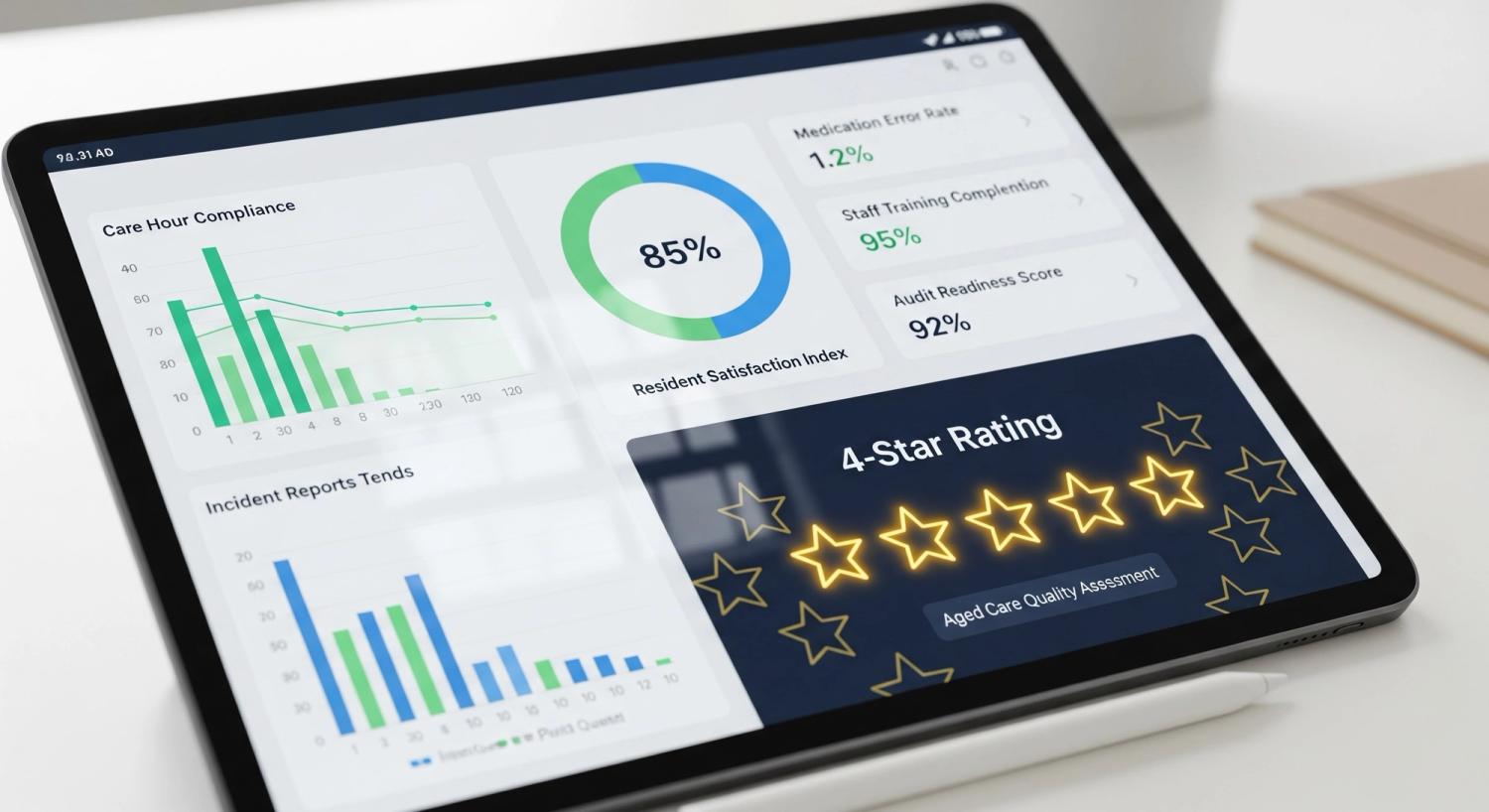


Managing a hotel or hospitality business involves keeping track of thousands of details. From the kitchen inventory to guest check-in, the amount of data you handle every day is massive. DigitalIntegration is the method you use to connect these separate pieces of information. When your systems talk to each other, you reduce the risk of human error.
In the past, checking for safety rules was a separate task. You would finish a job and then fill out a form to prove you did it. That method is slow and often leads to mistakes. Today, the goal is different. You need to link your operational data directly to your safety checks. This approach changes compliance from a burden into a natural part of your business.
Key Takeaways
- Natural Compliance: Safety checks happen automatically when you complete a task.
- Data Connection: Linking menu data with nutrition facts reduces allergy risks.
- Reduced Error: Automated systems remove the mistakes caused by manual data entry.
- Better Oversight: Managers get a clear view of operations in real-time.
The New Standard For Hospitality Data
The hospitality industry in Australia faces strict regulations. You must meet food safety standards, guest privacy laws, and labor rules. Trying to manage this with paper forms or disconnected spreadsheets is dangerous for your business.
You need a system where data flows freely between departments. When your systems are disconnected, you create gaps. These gaps are where mistakes happen. A kitchen manager might update a dish but fail to update the allergy warning on the printed menu. This is a compliance failure that puts guests at risk.
Why Manual Processes Fail
Relying on manual entry is risky. Here is why you should move away from it:
- Time Delays: Information takes too long to move from the floor to management.
- Inconsistency: Different staff members might record data in different ways.
- Lost Records: Paper forms can get lost or damaged easily.
- Lack of Visibility: You cannot see problems until they become serious issues.
By connecting your tools, you solve these problems. The data moves instantly. You can see what is happening across your hotel or restaurant immediately.
Connecting Menus And Nutrition With AI
One of the most powerful changes in the industry is the use of AI to manage food and beverage data. This is a specific area where technology solves a major pain point.
Consider the process of creating a menu. In a traditional setup, a chef writes a recipe. Someone else calculates the cost. A third person might check the nutritional value. Finally, a server explains it to a guest. If one person misses a detail, the chain breaks.
The Role of Artificial Intelligence
You can use smart technology to fix this chain. Innovation in this space allows you to link your menu planning directly to nutritional databases.
Here is how this benefits your operation:
- Instant Updates: When you change an ingredient in the system, the nutritional information updates immediately.
- Allergen Alerts: The system can flag potential allergens automatically. You do not have to depend on memory.
- Regulatory Alignment: Your menus match Australian food safety standards without extra manual checking.
This is the core of modern innovation. You are not just using technology to write a menu; you are using it to protect your guests. Compliance becomes a by-product of doing the right thing. You create a great menu, and the system handles the safety checks for you.
Establishing Consistent Quality Standards
When you run a business, you want every guest to have a great experience. This requires strict Quality Standards. Digital tools help you maintain these standards across multiple locations or shifts.
If you rely on verbal instructions, standards can drop. People forget details. However, when you build these standards into your digital tools, the system guides your staff.
How Automated Systems Help
Automated Systems act as a guardrail for your operations. They keep your team on the right track.
Consider these advantages:
- Standardized Training: Every employee sees the same guidelines on their digital devices.
- Task Verification: The system can ask for photos or confirmation that a task is done correctly.
- Incident Reporting: If something goes wrong, the system prompts the staff member to record it immediately.
For example, if a fridge temperature is too high, an automated sensor can alert the kitchen staff. They must fix it and log the correction. This creates a permanent record of quality control. You do not have to ask if the fridge was checked; the data proves it was.
Building Stronger Compliance Workflows
To make this work, you need to design Compliance Workflows that fit your daily routine. A workflow is simply the order in which tasks get done.
A bad workflow forces staff to stop working to fill out a checklist. A good workflow integrates the check into the work itself.
Steps to Create Integrated Workflows
You can follow these steps to improve your processes:
- Map Your Operations: List every step of your key services, such as food preparation or room cleaning.
- Identify Risks: Find the points where things usually go wrong or where safety is critical.
- Insert Digital Checks: Place a digital checkpoint at those risk moments.
- Automate Reporting: Set the system to generate a report automatically once the task is finished.
The Result: Compliance as a By-Product
When you set this up correctly, your staff focuses on service. They focus on cooking great food or preparing a clean room. The digital system captures the data as they work.
If a chef follows the digital recipe, the allergens are tracked. If a housekeeper marks a room as ready on a tablet, the checklist is archived. You achieve compliance without adding extra stress to your team. This is the goal of Governa AI: to help you reach a point where following the rules is the easiest part of the job.
Frequently Asked Questions
How does digital integration improve safety?
It connects your operational data to your safety checks. This means that when you perform a task, the system automatically checks it against safety rules. It removes the chance of human error in reporting.
Is it difficult to implement AI in a hotel?
No, it does not have to be hard. Modern tools are designed to be user-friendly. You can start with one area, like menu management, and expand from there. The goal is to simplify your work, not add complexity.
Will automated systems replace my staff?
No. These systems support your staff. They handle the repetitive data tasks so your team can focus on guest service. It gives your staff better tools to do their jobs well.
How do I maintain quality standards with digital tools?
You input your specific standards into the system. The software then acts as a guide, prompting staff to follow the correct procedures every time. It provides consistency that is hard to achieve with manual training alone.
Conclusion
The hospitality industry is moving fast. To stay competitive and safe in Australia, you must look at how you handle data. Digital Integration is not just a technical term; it is a strategy for running a better business.
By connecting your menus, nutrition data, and operational tasks, you change the nature of compliance. It stops being a chore. Instead, it becomes a natural result of your daily work. You use AI and Compliance Workflows to protect your business and your guests.
When you allow Automated Systems to handle the details, you free up your team to focus on what matters most: the guest experience. Governa AI stands ready to help you make this transition. You can turn your data into your strongest asset and make Quality Standards easier to meet than ever before.


