

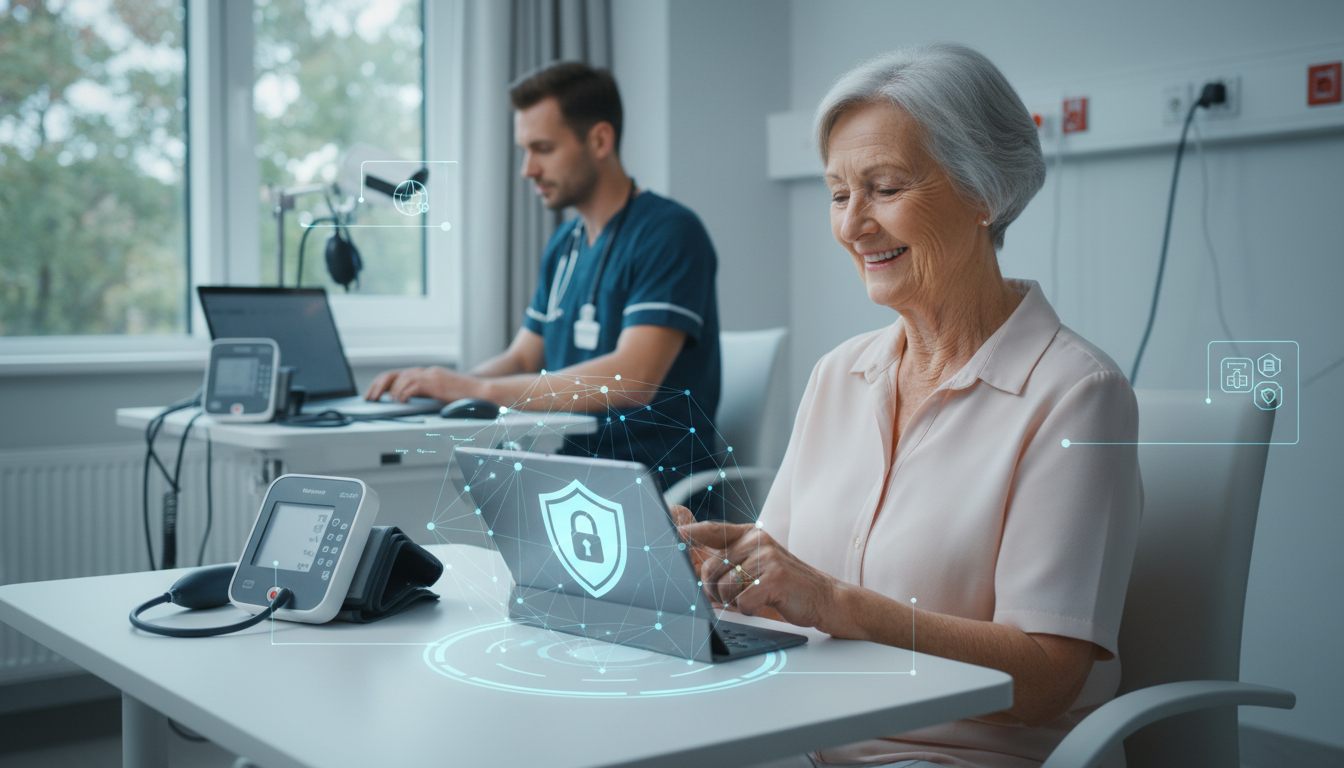


The adoption of technology in aged care—including everything from smart home sensors and remote monitoring devices to digital patient records—is transforming how we care for older people. These connected technologies offer convenience and improved care quality. However, they also introduce significant security risks. As aged care facilities and individual homes become increasingly connected, protecting sensitive senior data from cyber threats is more important than ever.
This post examines the specific cybersecurity challenges faced by the aged care sector, the potential impact of a breach, and essential steps care providers and families can take to safeguard this vulnerable population.
The Digital Care Landscape: Why Aged Care is a Target
The term "aged care" now includes a vast network of Internet of Things (IoT) devices, telehealth platforms, and electronic health records (EHRs). Aged care services frequently employ robots, 24-hour monitors, camera surveillance, and falls sensors to deliver care. Many of these technologies connect to the internet, expanding the digital perimeter and creating numerous entry points for cyber attackers.
Cybercriminals view healthcare, including aged care, as a prime hunting ground due to the high value and extreme sensitivity of the data involved. Personal health information (PHI) and patient records command a higher price on the black market than typical financial data. For the 14th consecutive year, healthcare has topped the list as the most costly industry for data breaches, with an average breach cost significantly higher than the global average.
Major Cybersecurity Threats in Senior Living
The connected environment introduces several specific risks that aged care providers must address:
1. Weaknesses in IoT Security
IoT devices, such as connected medical devices, monitoring systems, and smart home gadgets, are central to modern aged care. Unfortunately, many IoT devices are built with limited built-in protections, making them inherently vulnerable.
- Default and Weak Passwords: Many devices ship with default settings or weak authentication protocols, making them easy targets for unauthorized access.
- Outdated Software/Firmware: Regular software updates and patching are often neglected, leaving known vulnerabilities open for hackers to exploit. A compromised sensor or monitoring device can disrupt entire IoT ecosystems, leading to safety concerns and operational downtime.
- Unencrypted Communication: If devices are communicating without strong encryption protocols (like AES or TLS), sensitive health data can be intercepted during transmission.
2. Ransomware and Data Extortion Attacks
Ransomware remains a dominant threat to the healthcare sector. In a ransomware attack, cybercriminals restrict access to a system or data until a ransom is paid. The frequency of these attacks has been rising, with some reports indicating that a high percentage of healthcare organizations experienced ransomware attacks recently.
A disturbing shift in tactics focuses on data extortion rather than encryption. Attackers steal sensitive data and threaten to release it publicly, pressuring organizations into paying the ransom. This focus on data theft has significantly increased, tripling the proportion of providers who had their data extorted and not encrypted in recent years. This tactic capitalizes on the high sensitivity of medical data and patient privacy concerns.
3. Data Breaches and PHI Theft
The primary goal of many cyberattacks is the theft of Protected Health Information (PHI). Successful breaches can compromise the records of millions of individuals. The sheer volume of sensitive data held by aged care providers—including medical history, financial information, and personal identifiers—makes them high-value targets. Data breaches not only violate patient privacy but also incur massive financial penalties and recovery costs for the affected organization.
The Real-World Impact: More Than Just Financial Loss
The consequences of a cyberattack in aged care extend far beyond financial penalties and downtime. They directly affect patient safety and quality of life:
Impact on Clinical Outcomes and Safety
Cyberattacks can severely disrupt the continuity of effective care delivery. When systems are inaccessible, clinical staff may be locked out of essential records, dosage information, or monitoring data. For example, reports show that a large percentage of hospitals have reported direct patient care impacts following a cyberattack. The inability to access or rely on critical systems can delay treatments, misinform care decisions, and negatively impact clinical outcomes.
Loss of Trust and Privacy Fears
Older adults frequently express fear that by using technology they will become victims of "hackers and scammers" who may steal their personal information. A data breach erodes the trust that seniors and their families place in care providers. Given the high sensitivity of personal health information, privacy violations can be particularly distressing for seniors and their loved ones. Protecting patient privacy is directly related to maintaining patient safety.
Building Stronger Defenses: Cybersecurity Best Practices
Care organizations, technology developers, and care staff must adopt a security-first mindset to combat these evolving threats. Cybersecurity must be considered a core part of the code of conduct for all parties involved in aged care technology.
1. Robust Access Control and User Audits
Controlling who has access to sensitive data is fundamental.
- Least Privilege Principle: Configure access controls so users, especially those with administrative privileges, only have the minimum level of access necessary to perform their jobs.
- Multi-Factor Authentication (MFA): Implement MFA on all accounts, particularly those accessing patient data or administrative networks, to prevent unauthorized login even if passwords are stolen.
- Regular Account Audits: Regularly audit user accounts to deactivate old accounts and verify privilege levels.
2. Securing the Connected Environment (IoT and Network)
Given the reliance on IoT, network segmentation and device protection are essential.
- Network Segmentation: Divide the network into zones (e.g., patient monitoring, administrative, visitor Wi-Fi) to limit an attacker's movement if they breach one segment.
- Encryption: Implement strong encryption protocols (such as AES or TLS) for data transmission between IoT devices and the network to maintain confidentiality.
- Patch Management: Create a rigorous schedule for installing and regularly updating anti-virus, anti-malware software, and firmware on all hosts and devices. Outdated firmware is a common vulnerability that must be continually addressed.
- Secure Networks Only: Care staff should only use secure networks and strictly avoid using public Wi-Fi networks when handling patient data. Consider installing and using a Virtual Private Network (VPN) for remote access.
3. Preparedness and Incident Response
Preventative measures must be paired with readiness for when an incident occurs.
- Regular Backups: Maintain offline, immutable backups of critical data so that recovery is possible without paying a ransom. While some providers are strengthening defenses against demands, backup use remains a crucial but sometimes neglected step.
- Incident Response Planning: Develop and regularly practice a formal plan for responding to cyber incidents. This plan should detail steps for isolating the breach, communicating with affected parties, and restoring operations.
- Training and Awareness: Staff are often the first line of defense. Regular training on recognizing phishing attempts, using strong passwords, and proper data handling procedures is indispensable.
4. Collaboration and Reporting
The threat landscape changes rapidly, requiring organizations to stay informed and share knowledge.
- Stay Informed: Stay up to date on new threats and vulnerabilities specific to the healthcare and aged care sectors.
- Voluntary Information Sharing: Organizations should voluntarily share information about cyber-related events that threaten critical infrastructure to build a holistic understanding of the threat environment for all healthcare organizations.
- Report Incidents: Organizations must report anomalous cyber activity and incidents to relevant national authorities for coordinated response and support.
Conclusion
The technological transformation of aged care brings tremendous good, but it also opens the door to complex cybersecurity challenges. Protecting senior data requires constant vigilance, robust technical controls, and a commitment from leadership to prioritize security alongside patient care. By addressing vulnerabilities in IoT devices, preparing for data extortion tactics, and establishing a culture of security awareness, aged care providers can continue delivering high-quality care while safeguarding the privacy and safety of the older people they serve.
Frequently Asked Questions (FAQs)
What is the biggest cyber risk in aged care?
The biggest risk centers on the vulnerability of connected devices (IoT) and the high value of Protected Health Information (PHI). Ransomware and data extortion attacks targeting PHI are particularly prevalent and damaging.
How does a cyberattack affect patient safety?
An attack can lock staff out of essential clinical systems, disrupt monitoring devices, or prevent access to patient medical records. This disruption can delay or misinform care decisions, directly compromising patient safety and clinical outcomes.
What simple step can aged care staff take to protect patient data?
Staff should consistently use strong, unique passwords and Multi-Factor Authentication (MFA) for all critical accounts. They must also avoid using unsecured or public Wi-Fi networks when accessing or handling sensitive data.
Why is the healthcare sector targeted more frequently?
Healthcare organizations, including aged care, hold extremely sensitive patient data that is valuable to criminals. The average cost of a data breach in healthcare significantly exceeds other industries, making it a lucrative target for cyber attackers.


