

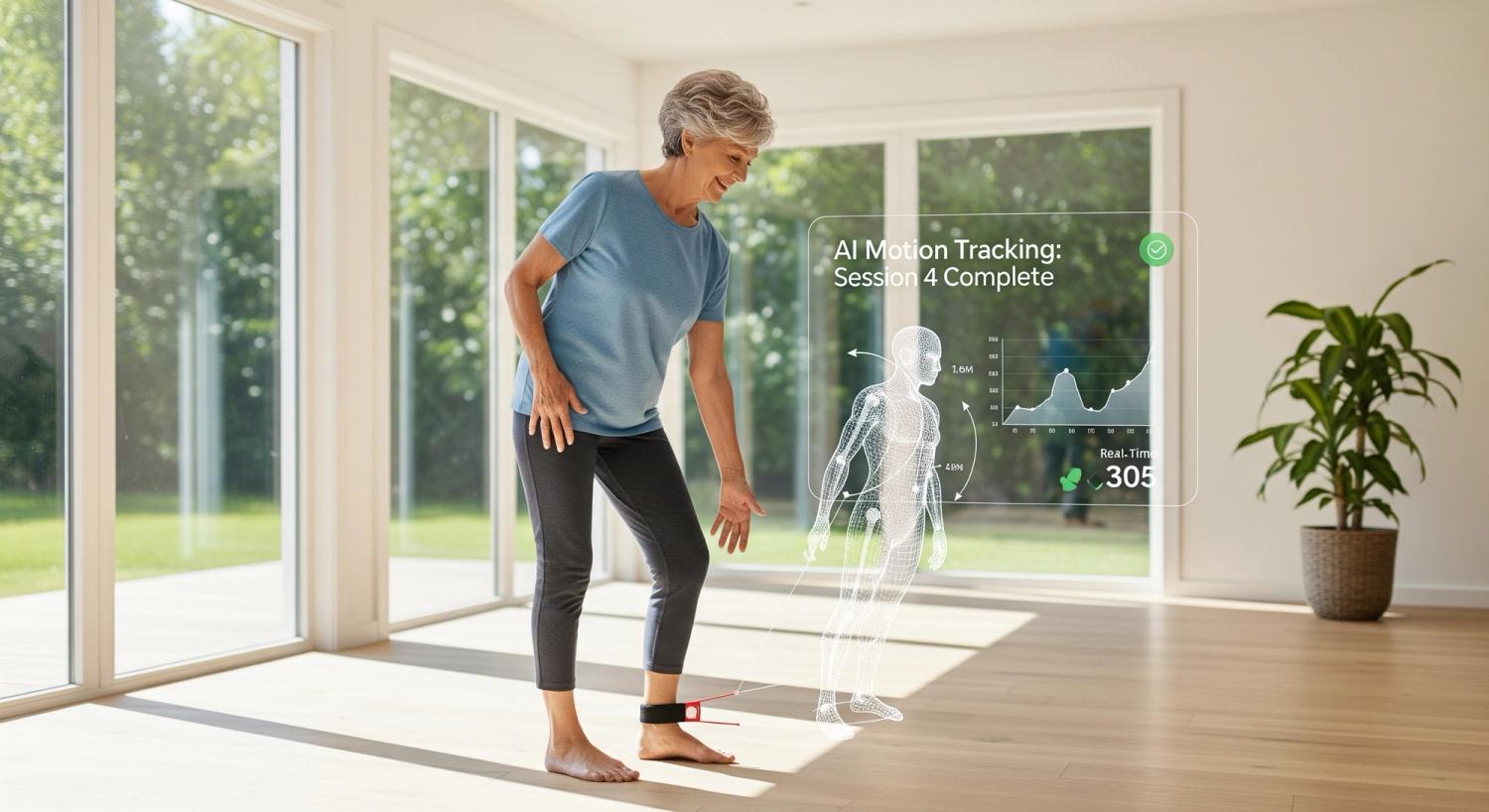


The landscape of aged care is undergoing a profound transformation, driven by technology that aims to improve the quality of life and outcomes for older adults. Among the most exciting developments is the integration of Artificial Intelligence (AI) into physical therapy and rehabilitation.
For seniors, maintaining mobility, recovering from surgery, or managing chronic conditions often requires dedicated, consistent physical exercise. AI-powered tools are making this necessary therapy more accessible, accurate, and personalized than ever before, marking a significant step forward in digital rehabilitation.
AI isn't replacing the caring human element of therapy; rather, it acts as a powerful support system, allowing therapists to extend their reach and gather data with unprecedented precision. This shift is particularly impactful for those facing mobility challenges or living in remote areas, for whom frequent in-person appointments can be difficult.
The Challenge of Senior Rehabilitation
Recovery and ongoing physical maintenance for older adults present unique obstacles.
- Compliance is often an issue, as exercises can be tedious or difficult to perform correctly without direct supervision.
- Incorrect form during exercises can lead to injury or ineffective results, wasting valuable time and effort.
- Tracking progress accurately across multiple home sessions can be inconsistent, making it hard for therapists to know precisely when and how to adjust a care plan.
Traditional physical therapy models rely heavily on scheduled appointments, which can strain resources for both the patient and the provider. AI addresses these gaps by bringing the precision of the clinic directly into the patient's home.
Computer Vision: The At-Home Therapist Assistant
One of the most impactful applications of AI in this field is through computer vision—the technology that allows computers to "see" and interpret visual data. Simple, everyday devices like smartphones or webcams can become sophisticated motion tracking systems.
These AI physical therapy applications guide seniors through their prescribed exercises, such as those for stroke recovery or post-operative healing. The camera monitors the patient’s body position and movement in real-time. The AI algorithm detects subtle variations in form, comparing the patient's actions against the correct movement pattern stored in its system.
Real-Time Correction and Safety
The immediate feedback mechanism is what makes this technology so effective. If a senior is leaning too far, lifting a limb too high, or failing to maintain a certain posture, the app provides instant, audible, or visual corrections. For example:
"Lower your arm two inches," or "Straighten your back."
This real-time guidance ensures that every repetition is performed correctly and safely, preventing the wrong muscle groups from being used and dramatically reducing the risk of accidental injury during unsupervised sessions. This instant feedback loop replaces guesswork with certainty.
Personalized Recovery Through Data
AI’s ability to collect and process vast amounts of data is fundamental to creating truly personalized rehabilitation plans. Every session is recorded and analyzed, providing detailed metrics that human therapists could never gather manually.
Tracking Progress and Outcomes
AI systems automatically track variables like:
- Range of motion
- Speed
- Stability
- Adherence to the prescribed routine
This information is synthesized into a "Rehab Score" or similar analytical metric. These objective measures allow therapists to move beyond subjective patient reporting ("I feel better") to data-driven decision-making.
For example, a therapist reviewing the data might observe that a patient’s right leg stability consistently wanes after the tenth repetition of a certain exercise. This hard data informs the therapist that the existing regimen is reaching its limit and needs adjustment—perhaps by reducing the repetitions or introducing a less taxing variation. This iterative process, supported by AI analysis, leads to faster and more successful recovery outcomes.
Digital Rehabilitation for Chronic Conditions
Beyond acute recovery, AI-supported digital rehabilitation is invaluable for managing long-term conditions like Parkinson’s disease or chronic arthritis, where consistent movement is crucial. Senior exercise apps powered by AI can offer a structured, engaging way to keep moving, adapting the difficulty of routines based on the patient’s performance trends over weeks or months. This ongoing modification is key to maintaining engagement and physical function over the long term.
Expanding Access: Virtual Therapy and Telerehabilitation
The physical distance between patient and therapist has historically been a barrier to care. AI solutions in telerehabilitation are bridging this divide. Digital MSK (Musculoskeletal) solutions monitor movements remotely via smartphone cameras, providing essential therapy services to seniors who may struggle to travel due to health or logistical reasons.
This remote capability means:
- Accessibility in Remote Areas: Seniors in rural locations gain access to specialists they might otherwise never see.
- Convenience: Therapy sessions can happen at the time and place most suitable for the patient's daily schedule.
- Consistency: The friction of attending appointments is removed, leading to more consistent patient adherence to the therapy plan.
By providing instant corrections and tracking metrics, AI-powered systems maintain the quality of care even when the therapist is not physically present. This model allows therapists to manage a larger caseload effectively, checking in for video consultations to review the AI-generated reports and adjust programs, rather than dedicating every session to simply observing exercises.
Focus on Specific Needs: Stroke Recovery
The recovery period following a stroke is often lengthy and demands rigorous physical training to regain lost function. AI systems are making a substantial contribution here. By offering highly precise motion tracking, these tools can isolate minute improvements in motor control that might be missed during a standard visual assessment.
Apps focused on stroke recovery can provide repetitive, engaging exercises, often gamified to increase patient engagement. The ability of the AI to adapt the complexity of these exercises moment-to-moment based on the patient's capacity keeps the challenge level just right—neither too frustratingly difficult nor too easy to be ineffective. This constant, tailored stimulus is essential for neuroplasticity and regaining motor skills.
AI: Supporting Human Care, Not Replacing It
A common concern regarding technology in aged care is the fear that it will depersonalize service. The reality is that AI-powered rehabilitation tools are specifically designed to support and augment the abilities of human caregivers and therapists.
By automating the monitoring, correction, and data collection aspects of routine physical therapy, AI frees up human professionals. Therapists spend less time counting repetitions or manually charting movements and more time focusing on:
- Complex clinical analysis
- Emotional support
- Hands-on interventions that only a human can provide
AI takes care of the analytical demands, allowing the human staff to focus on the interpersonal connection, thereby improving the overall quality of care and potentially reducing caregiver burnout. The human-AI collaboration results in smarter, more focused care for seniors.
The Future Trajectory of AI in Physical Therapy
The adoption of these technologies is set to grow rapidly. Future developments are likely to focus on even greater integration and sophistication:
- Predictive Analytics: AI could begin to predict which patients are at higher risk of falling or non-adherence to therapy based on early performance metrics, allowing for proactive intervention.
- Wider Sensor Integration: Combining computer vision data with information from wearable devices (like heart rate monitors or gait sensors) to give an even richer, holistic view of patient physical health during therapy.
- Virtual Reality (VR) Rehabilitation: Integrating motion-tracking AI into immersive VR environments to make rehabilitation exercises more motivating and enjoyable, which is particularly beneficial for cognitive engagement in seniors.
These systems are not just tools for managing illness; they are instruments for promoting independence, improving recovery rates, and maintaining the dignity and activity levels of older adults well into their later years. The precision and reach of AI are reshaping how seniors approach and complete their journey toward better physical health.
Frequently Asked Questions About AI in Physical Therapy
Q: Is AI physical therapy safe for older adults?
A: Yes, AI physical therapy is generally safe, particularly because the technology often focuses on improving safety. Computer vision systems provide real-time feedback and corrections on posture and technique, which helps to prevent incorrect movements that could lead to injury. This continuous monitoring acts as a safety net during at-home exercise sessions.
Q: Does AI replace the need for a human physical therapist?
A: Absolutely not. AI acts as a sophisticated assistant. It handles the data collection, motion tracking, and real-time guidance for basic exercises. The human physical therapist remains crucial for:
- Diagnosing conditions
- Designing the initial, personalized care plan
- Interpreting the AI’s data
- Making clinical adjustments
- Providing specialized, hands-on treatment and emotional support that technology cannot replicate.
Q: What equipment is needed for digital rehabilitation using AI?
A: Often, very little equipment is required. Many AI physical therapy solutions work simply by using the camera on a standard smartphone, tablet, or laptop. The AI uses the device's camera for motion tracking. Some advanced systems may use external webcams or motion sensors for higher accuracy, but the barrier to entry is typically low to keep the technology accessible to most seniors.
Q: How does AI personalize the rehabilitation plan?
A: AI systems continuously gather objective data—such as range of motion, muscle stability, and endurance—during every exercise session. It analyzes these metrics over time to identify specific areas of weakness or plateauing progress. The AI then reports these findings to the human therapist, who uses the data to modify the exercise intensity, frequency, or type, ensuring the plan is continuously adjusted to the individual's evolving needs and capabilities.


