

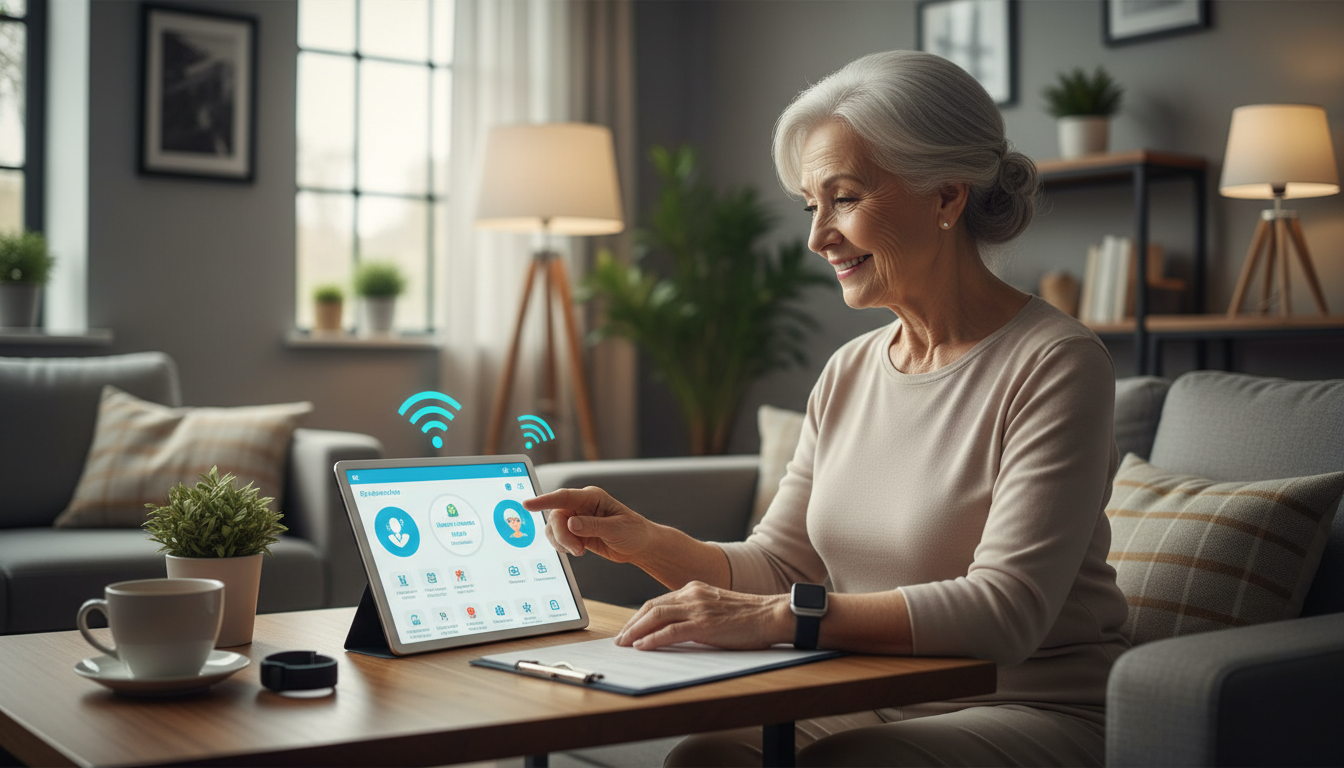


The global population is aging. As life expectancy rises, so does the need for quality, compassionate care for older adults. This demographic shift presents significant challenges to aged care systems around the world, straining resources and demanding innovative approaches. For many, the goal is simple: to continue living independently and with dignity for as long as possible.
Artificial Intelligence (AI) is emerging not as a replacement for human caregivers, but as a powerful partner helping to meet this rising demand while maintaining the quality of life seniors deserve.
The Growing Need for Intelligent Care Solutions
The pressure on aged care systems is immense. With increasing care demands, countries face the challenge of providing sufficient support for their older populations. In Australia, for example, a significant majority of older Australians—about 70%—want to stay in their homes as they age.
This desire to "age in place" requires care solutions that can be delivered efficiently, personally, and without compromising personal freedom or dignity. AI offers a transformative path to meet this specific demand. By automating routine monitoring and predicting potential risks, smart systems help seniors maintain their independence longer.
AI as a Partner to Human Caregivers
A common concern when discussing technology in personal care is the fear of losing the "human touch." However, the most effective applications of AI are centered on creating a Human-AI Partnership. Rather than substituting human interaction, AI assists staff by managing the mundane, repetitive, and purely procedural parts of caregiving.
Freeing Up Time for Empathy and Connection
Human carers often spend considerable time on administrative tasks, paperwork, and routine monitoring. When AI automates these routine tasks and even predicts health risks—such as identifying patterns that suggest a patient might be at risk of a fall or developing a specific health issue—it fundamentally changes the role of the human caregiver.
By taking on these duties, AI systems permit human staff to focus on the truly essential aspects of care: providing person-centred support, building relationships, showing empathy, and protecting the resident’s dignity. The technology extends human interaction by removing the necessary distractions, allowing staff to devote more attention to meaningful engagement.
Better Decision-Making Through Data
AI systems collect and process vast amounts of data from various sources, including remote sensors, wearable devices, and electronic health records. This continuous data stream provides a granular view of a senior’s health status, sleep patterns, movement, and behavioral changes.
This ability to spot subtle trends that might be invisible to the human eye means care teams can make better, more timely decisions. This proactive approach leads to earlier interventions, preventing minor issues from escalating into serious health crises.
Supporting Independence and Quality of Life
The integration of AI into elderly care is fundamentally about supporting Ageing with Dignity. Technology should be a tool that helps individuals retain control over their lives and maintain a high quality of living, even as their needs change.
Personalized Care at Scale
Every individual's care requirements are unique. Traditional care models often struggle to provide truly personalized care when resources are stretched. AI helps address this by tailoring support precisely to the individual.
- A smart home system can adjust lighting and temperature based on a resident's daily schedule.
- A robotic companion can provide conversation and reminders based on their cognitive needs and preferences.
This level of personalized care improves daily well-being and satisfaction.
Safety and Monitoring in the Home
For seniors who wish to remain in their homes, safety is a primary concern. AI-powered remote monitoring systems provide a reliable safety net without being intrusive. These systems are designed to monitor daily activities and detect anomalies.
If an individual deviates significantly from their normal routine—for instance, if they haven't moved from their bed by a certain time, or if they have spent an unusual amount of time in the bathroom—the system can alert a caregiver or family member.
One common application involves fall detection. Instead of relying on a push-button pendant, modern AI uses computer vision or ambient sensors (like radar or pressure mats) to recognize the motion pattern of a fall and immediately call for help, which can significantly reduce the time between injury and treatment.
Overcoming Challenges and Looking Ahead
While the possibilities are vast, the application of AI in elderly care is not without its hurdles.
- Privacy and Data Security: Systems must be designed with the highest standards of data protection to maintain the trust of seniors and their families.
- Ethical Discussions: Ongoing discussion is needed regarding the appropriate boundaries for technology in intensely personal areas of life. It’s crucial that the technology remains a tool for human connection, not a substitute for it.
- Access and Affordability: Care organizations need financial support and training to successfully put these new technologies into practice.
- Caregiver Training: Caregivers require education on how to work effectively alongside AI, understanding its outputs and integrating it smoothly into their care routines.
Looking forward, AI promises further advancements in areas like predictive health, personalized medication management, and sophisticated cognitive support tools. The trajectory is clear: AI will continue to assist the aged care sector, allowing staff to offer higher quality, more compassionate, and dignified support, making the goal of ageing with dignity a reality for more people.
The work happening now—from automated risk prediction to sophisticated care planning—is laying the foundation for a future where technology supports human empathy and enables a higher standard of living for our elders.
Frequently Asked Questions
1. Does AI replace the role of human caregivers?
No, the consensus within the sector is that AI serves as a support system. It takes over routine, repetitive tasks and predictive monitoring, which frees up human caregivers. This allows staff to concentrate their efforts on crucial human elements of care, such as emotional support, relationship-building, and person-to-person engagement, ensuring AI extends human interaction rather than taking its place.
2. How does AI help seniors stay independent?
AI-powered systems, such as remote monitoring and smart home technologies, provide a continuous safety net for older adults who want to age in place. These systems monitor daily activities and detect irregularities, like a fall or unusual changes in routine. By alerting caregivers promptly, AI reduces risk and provides reassurance, making it safer for seniors to retain their independence in their own homes.
3. What are the main benefits of AI for aged care staff?
AI helps reduce the mental and physical strain on staff. By automating tasks like administrative documentation and constantly monitoring residents for risk indicators, AI lessens the staff burnout often associated with high care demands. This improved workflow allows caregivers to dedicate their time to direct, meaningful resident care and relationship building.
4. Is the data collected by AI systems private and secure?
Data privacy is a major consideration in the design of these systems. Reputable providers must adhere to strict regulatory guidelines regarding health data security. Data collected from sensors and wearables is typically anonymized or heavily secured to ensure the dignity and privacy of the individuals receiving care are maintained.


