

The population of older adults is growing globally, presenting both opportunities and challenges for healthcare systems. As more people live longer, the need for quality, sustainable, and personalized senior care becomes increasingly apparent. Artificial intelligence (AI) is rapidly becoming a fundamental solution, transforming how care is delivered and supporting independence for seniors.
AI in care for the aged is not about replacing human contact, but about supplementing it with smart technology that can provide deeper insights, automate routine tasks, and improve overall safety and well-being. This technology aids caregivers, health professionals, and the seniors themselves.
The Foundation of AI in Senior Health
Artificial intelligence operates by processing vast amounts of data to identify patterns and make predictions. In senior care settings, this capability translates into several critical applications, focusing on preventative measures and immediate response.
Remote Health Monitoring: Smart Surveillance for Well-being
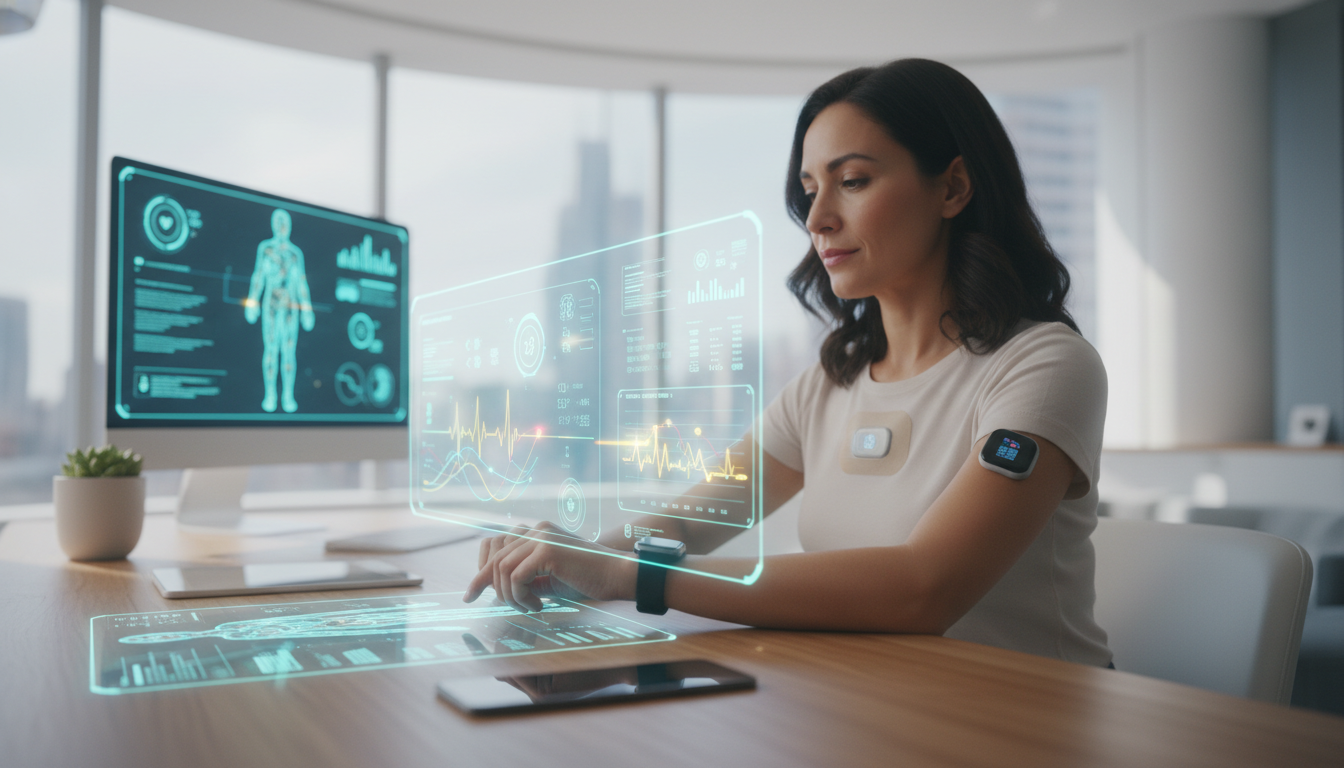
One of the most immediate impacts of AI is in Remote Health Monitoring. This system uses sensors and wearable devices to gather real-time health data, such as heart rate, sleep patterns, and activity levels. AI algorithms apply predictive analytics to this data to look for anomalies that might signal a looming health issue.
For instance, AI might recognize a sudden change in sleeping habits or an increase in night-time bathroom visits. This detailed analysis allows for early intervention before a minor issue escalates into a serious medical event. According to industry data, this proactive approach can lead to significant reductions in hospitalizations, in some cases by up to 30%. This capacity to anticipate and act is a game-changer for both the senior’s health outcomes and the efficiency of care services.
Assisting with Daily Living and Companionship
Beyond strictly medical monitoring, AI-powered tools are moving into the everyday lives of seniors, acting as assistants and even companions.
Smart Home Integration
AI integrates into smart home systems to provide support for daily routines. Voice-activated assistants can help seniors manage schedules, make hands-free calls, control environmental settings (like lighting or temperature), and receive medication reminders. These systems learn the senior's habits and can adjust settings automatically, creating a more comfortable and accessible living space. Furthermore, sensors can detect falls—a major risk for older adults—and instantly alert emergency contacts or services.
Social Connection and Mental Wellness
Loneliness and social isolation are significant health risks for seniors. AI companions, often in the form of conversational chatbots or social robots, offer interaction and companionship. While they don't replace human relationships, they can reduce feelings of isolation, provide mental stimulation through conversation or games, and even act as a check-in point for emotional well-being.
Improving Efficiency for Caregivers
AI doesn't just benefit the recipient of care; it significantly supports professional and family caregivers who often face high demands and burnout.
Administrative Support and Documentation
Caregiving involves substantial administrative burden, including scheduling, documentation, and reporting. AI tools can automate these tasks, freeing up valuable time that caregivers can instead spend interacting directly with seniors. AI can generate summaries of patient data, flag important trends for review, and handle complex scheduling logistics.
Personalized Care Planning
Because AI can process individual health records, genetic data, and response to treatments, it can assist clinicians in crafting highly personalized care plans. This moves beyond a one-size-fits-all approach, ensuring that treatments and routines are tailored to the specific needs, preferences, and risks of each person. This level of customization leads to better treatment efficacy and overall satisfaction with care.
Ethical Considerations and the Future Outlook
While the promise of AI in senior care is immense, its expansion requires careful consideration of ethical boundaries, particularly concerning privacy and data security. The data collected via wearable devices and home sensors is highly sensitive. Robust security protocols are essential to protect personal health information. Transparency regarding how data is used and stored is critical to building trust among seniors and their families.
The future of AI in senior care will likely include even more advanced robotics for physical assistance, improved predictive models based on genomics, and integrated platforms that connect all aspects of a senior's health ecosystem—from primary care physicians to home health aides.
The integration of technology into the aged care setting provides a meaningful path forward, helping us meet the rising demand for quality care while maintaining the dignity and independence of older people. By successfully adopting these smart technologies, we can move towards a future where aging is synonymous with empowerment and well-being.
Frequently Asked Questions (FAQs)
Q: Is AI replacing human caregivers in senior care?
A: No. AI is designed to support and augment human caregiving, not replace it. AI tools take over routine, data-intensive, or administrative tasks, allowing human caregivers to focus more energy and time on direct interaction, emotional support, and complex decision-making, which requires empathy and judgment.
Q: How do these AI monitoring systems work, and are they intrusive?
A: Remote Health Monitoring systems typically work through non-invasive sensors, often embedded in wearable devices (like smartwatches or patches) or installed in the home environment (like motion or sleep sensors). They collect data on vital signs and activity patterns. The goal is to be as unobtrusive as possible while gathering the necessary data to detect anomalies and enable early intervention.
Q: What is the primary safety benefit of using AI in aged care?
A: The main safety benefit is the ability to use predictive analytics on real-time health data to catch potential problems early. This early intervention capability, such as identifying changes in mobility or physiological metrics before a crisis occurs, is shown to significantly reduce risks like falls and hospital admissions.
Q: Where can I find more information on the real-world uses of AI in aged care?
A: You can find detailed information on the practical applications of this technology in various publications, such as articles discussing computerised compassion and real-world applications of AI in aged care, and blogs detailing the role of AI in elderly care.