

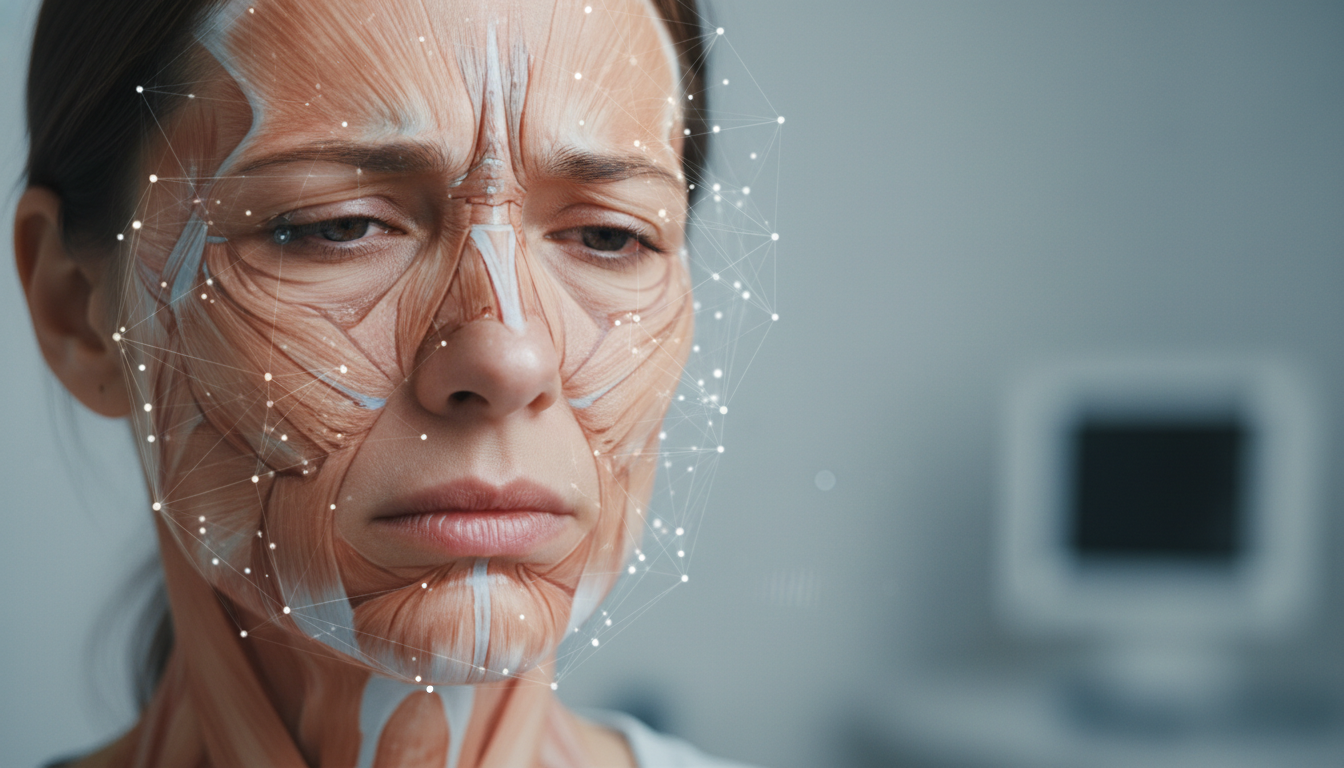


This blog explores how cameras and sophisticated software are helping caregivers objectively assess pain levels, leading to more accurate diagnoses, faster treatment adjustments, and significantly improved quality of life for our most vulnerable elders.
The Gap in Traditional Pain Assessment
Traditional methods for assessing pain in non-verbal populations rely heavily on behavioral cues and observational scales, such as the Nonverbal Pain Scale (NVPS) or the Abbey Pain Score. While these tools are valuable, they suffer from inherent limitations:
- Subjectivity and Bias: The accuracy depends entirely on the observer's experience, attention level, and interpretation. Two different caregivers might assign two different scores based on the same observation.
- Intermittent Monitoring: Observations are usually periodic—a check every few hours—meaning fluctuations or sudden spikes in pain between checks are missed.
- Ambiguous Cues: Behavioral signs like restlessness, moaning, or withdrawal can signal pain, but they can also be symptoms of other conditions (e.g., anxiety, boredom, hunger), complicating accurate assessment.
For seniors with severe cognitive impairment, especially advanced dementia, facial expressions may be the clearest indicators of internal state. However, detecting these subtle, fleeting "micro-expressions" consistently is extremely demanding for human staff, particularly in busy clinical settings.
AI Pain Detection: The Science of Non-Verbal Communication
AI-driven pain detection directly addresses the limitations of human observation by applying computer vision and machine learning to analyze biometric data. The core technology involves using cameras—often already present in clinical settings—combined with facial recognition software.
Decoding the Face of Pain
The technology works by training AI models on massive datasets of individuals experiencing documented pain. The model learns to identify specific, involuntary facial movements and expressions associated with discomfort. These include:
- Brow Tightening: The furrowing of the brow or pulling the eyebrows down and together.
- Eye Squints: Narrowing the eyes or squeezing the eyelids.
- Nose Wrinkling: Often subtle and quick, indicating a reflex reaction to discomfort.
- Lip Tightening or Stretching: A taut or pulled look around the mouth.
- Grimacing: The classic pain expression, which can range from slight to severe.
These tiny shifts in facial musculature, known as "action units," are quantified by the software in real-time. This automated process provides an objective, data-driven score of potential pain, circumventing the guesswork involved in human observation. Research, including studies at institutions like Stanford and UC San Diego, shows AI models can achieve high accuracy (around 85%) in distinguishing genuine pain from non-pain expressions, frequently surpassing human performance.
Beyond the Face: Vocal and Behavioral Biomarkers
While facial analysis is foundational, the next generation of AI pain assessment incorporates other biomarkers for a fuller picture:
- Vocal Biomarkers: For seniors who may vocalize but not communicate clearly (e.g., moaning, crying, shouting), AI analyzes changes in tone, pitch, and speech patterns. These vocal characteristics often change distinctly when a patient is experiencing distress.
- Behavior Tracking: Continuous monitoring systems observe body movements, restlessness, posture changes, or withdrawal. Persistent agitation or attempts to guard a specific body part can be reliably flagged as pain signals.
By integrating data from facial recognition, vocal analysis, and behavior tracking, AI systems generate a continuous, real-time pain profile, offering far greater detail than periodic nurse checks.
Practical Applications in Aged and Palliative Care
The potential for AI pain detection is immense, particularly in high-need environments like palliative care units and skilled nursing facilities.
1. Better Outcomes for Dementia Patients
For seniors with advanced dementia, pain is often misattributed to behavioral and psychological symptoms (BPSDs). Agitation, aggression, or resistance to care may stem directly from undiagnosed physical discomfort. By objectively identifying the pain source through facial analysis, caregivers can substitute pain medication for potentially inappropriate psychotropic drugs, directly addressing the root cause of the behavior and dramatically improving the patient's demeanor and cooperation.
2. Continuous Monitoring in High-Acuity Settings
In specialized units—such as post-operative recovery, cancer care, or geriatric ICUs—patients may be intubated, heavily sedated, or too weak to communicate. AI systems offer continuous, unbiased tracking. When the system detects an increase in pain indicators, it triggers an alert, allowing the care team to quickly administer medication or adjust existing treatment protocols, preventing prolonged suffering.
3. Supporting Palliative Care Goals
Palliative care focuses fundamentally on comfort and quality of life. AI serves as a powerful supporting tool for palliative teams. By accurately detecting pain early, AI helps medical professionals maintain comfort levels consistently. Furthermore, the data collected over time offers valuable insights into which non-pharmacological interventions (like specific soothing sounds or changes in environment) are most effective for an individual patient, helping personalize their comfort plan.
The Future of Pain Management: Accuracy and Speed
The shift toward AI-driven pain assessment represents a fundamental step forward in patient advocacy. It brings higher accuracy, reduced observer bias, and instantaneous data delivery into a process that was previously slow and subjective.
Instead of replacing the human element, these technologies work alongside the care team, providing objective data that empowers nurses and doctors to make faster, better-informed clinical decisions. This capability is crucial, especially as the global elderly population grows and the need for personalized, high-quality aged care becomes more pressing.
The market for AI in healthcare is showing strong growth, reflecting the rising acceptance and demonstrated effectiveness of these tools in clinical practice. As technology becomes more portable and integrated into existing health record systems, AI pain detection will become a standard fixture, ensuring that every patient, regardless of their ability to communicate, receives timely and effective pain relief. This technology doesn't just measure pain; it restores dignity and improves the patient experience right when they need it most.
Frequently Asked Questions About AI Pain Detection
Q1: How does AI pain detection differ from traditional pain scales?
Traditional scales for non-verbal patients, like the Abbey Pain Score, rely on a human caregiver’s subjective assessment of a few observed behaviors (e.g., restlessness, vocalization) at a specific point in time. AI pain detection uses computer vision to objectively and continuously analyze subtle, involuntary facial micro-expressions (and sometimes vocal and behavioral cues) to generate a real-time, data-driven score, minimizing human bias and ensuring constant monitoring.
Q2: Is this technology invasive or difficult to set up in a care environment?
Generally, no. AI pain detection typically uses standard cameras, often the same ones already installed for patient safety monitoring. The software processes the visual data non-invasively, focusing only on facial action units related to pain. The objective is to work seamlessly within existing care infrastructure without requiring direct contact or complicated hardware installation.
Q3: Can AI models distinguish between pain and other emotions like sadness or fear?
Yes, modern AI models are trained on extensive, labeled datasets that include various emotions and states. While some emotions share similar facial movements, the sophisticated algorithms can differentiate between the specific combinations of "action units" that reliably indicate physical pain (such as a tightened upper lip combined with eye squinting) versus those related to other emotions like simple sadness or anxiety. Researchers have shown these models can reach high levels of accuracy in these distinctions.
Q4: Will AI replace caregivers in pain management?
Absolutely not. AI serves as a powerful diagnostic and alerting tool. It provides objective data and instant alerts that support human caregivers. The AI detects the pain, but the human caregiver remains essential for interpreting the data in the clinical context, administering treatment, and providing the compassionate care and comfort that technology cannot deliver. It simply makes the human response faster and more accurate.
Q5: What types of patients benefit most from this technology?
This technology is particularly beneficial for populations who struggle with verbal communication: individuals with advanced dementia or severe cognitive impairment, infants and children, patients who are intubated or heavily sedated in ICUs, and patients receiving end-of-life or palliative care who may be too weak to express their needs.


