

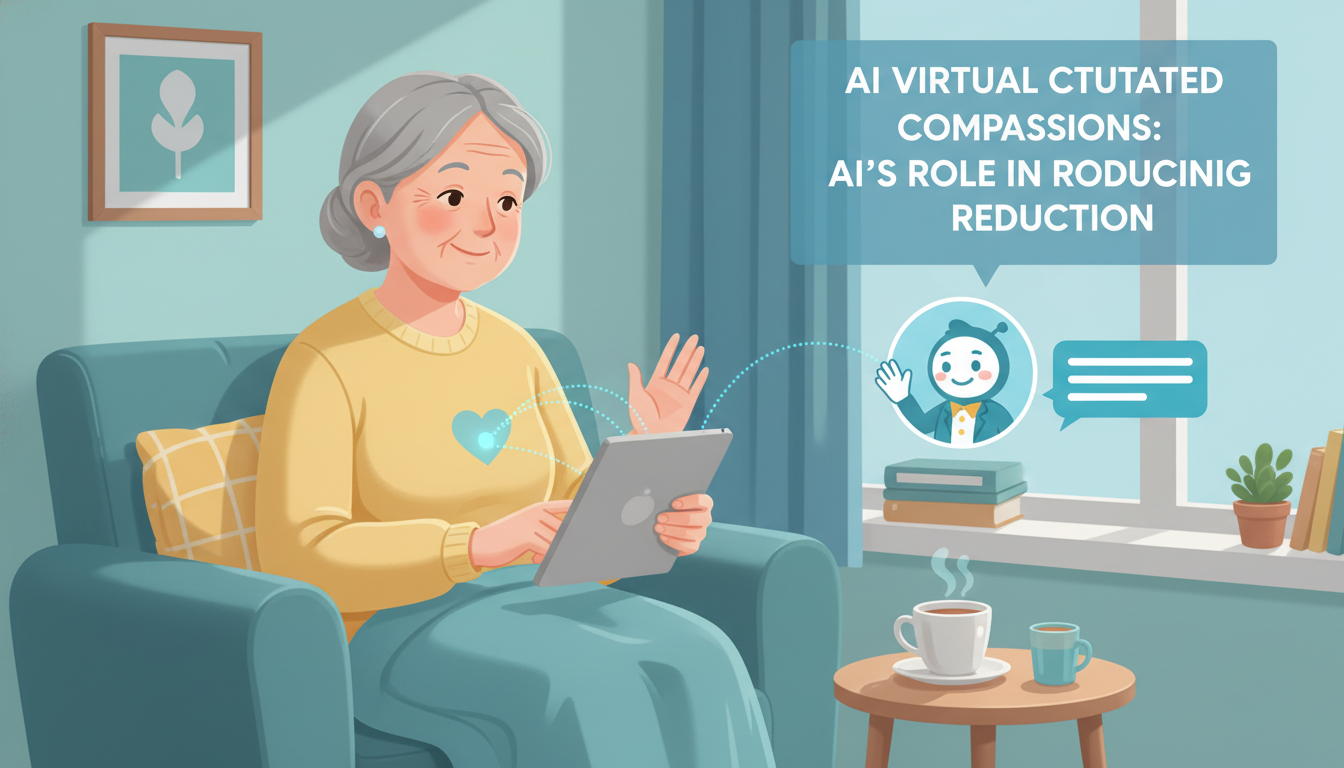


The world’s senior population is growing, presenting a pressing need for innovative solutions to maintain quality of life, independence, and dignity in later years. As technology advances, Artificial Intelligence (AI) is moving beyond science fiction and into the very real, often personal, field of elderly care. AI isn't about replacing human compassion; it’s about providing tools that assist caregivers and directly benefit seniors, addressing challenges from staffing shortages to social isolation.
This technological evolution is creating new opportunities to provide sophisticated, personalized support that helps older adults live safer and happier lives. By automating routine tasks and offering new forms of engagement, AI is redefining what quality care looks like.
Redefining Care: The Human-AI Partnership
One of the most promising applications of AI is not in fully automating care, but in creating a strong Human-AI Partnership. In this model, AI systems handle repetitive, data-heavy, or risk-prediction tasks, allowing human caregivers—nurses, staff, and family members—to focus their energies where they are needed most: relationship-building, emotional connection, and delivering truly person-centred care.
AI can monitor changes in movement, sleep patterns, and health metrics, quickly alerting staff to potential falls or medical issues before they become severe. This ability to predict risks saves time and, most importantly, lives.
When AI takes over the burden of constant monitoring, staff members can dedicate more time to empathy, communication, and social interaction. This shift helps reduce staff burnout by giving caregivers more meaningful roles. The goal is simple: AI should extend human interaction, not replace it, thereby upholding the dignity of the person receiving care.
For instance, AI-powered systems can manage complex scheduling, track medication adherence, and analyze historical data to personalize daily routines. This automation frees up precious hours daily. Studies and real-world applications show that when AI takes on administrative or routine physical tasks, staff satisfaction rises, and the overall quality of personal care improves significantly, making the care environment better for both the recipient and the provider.
Combating Isolation with Virtual Companions
One of the most persistent and damaging issues affecting seniors is loneliness and social isolation. When physical movement is limited, or family is far away, the lack of daily interaction can severely impact mental and physical health.
Virtual Companions powered by sophisticated AI chatbots are emerging as a powerful tool to address this. These conversational bots provide continuous engagement and interaction. They aren't substitutes for human friends, but they offer crucial support, especially for seniors living alone.
Cognitive Support and Early Detection
These companions are designed to offer cognitive support. They can:
- Remind users about appointments or medications.
- Play favorite music.
- Read the news.
- Simply maintain a casual, engaging conversation.
They learn the user’s preferences and communication style over time, making the interaction feel more natural and personalized.
More critically, these AI systems are becoming powerful tools in early health detection. By analyzing speech patterns, frequency, and tone, these sophisticated programs can detect subtle, early signs of changes in mental health or even cognitive decline. The ability to monitor conversational cues is proving invaluable in the early dementia detection process.
Real-world trials have demonstrated the positive impact of this technology. One pilot study noted in an Australian report found that seniors who regularly interacted with Virtual Companions experienced a significant 25% reduction in loneliness scores. This demonstrates AI's practical role in addressing the emotional and psychological needs of the elderly.
Beyond the Home: AI in Clinical Settings
AI's influence extends far beyond companion bots and risk-prediction in residential facilities. In clinical settings, AI is assisting in diagnostics and personalized medicine for older adults.
Key Clinical Applications
- Diagnostic Assistance: AI algorithms can analyze medical images (like X-rays, MRIs, and CT scans) with speed and accuracy, often catching minute details that a human eye might miss. This speeds up the diagnosis of conditions common in the elderly, such as stroke, fractures, or certain cancers, leading to faster treatment initiation.

Getty Images
Explore
- Rehabilitation and Mobility: Robotics, often governed by AI, plays a role in physical therapy. Robotic assistance devices can help seniors regain mobility after an injury or surgery by guiding their movements and providing consistent, measured resistance. These systems collect data during sessions, allowing therapists to precisely adjust treatment plans.
- Medication Management: For complex medical regimens, AI-powered systems can track potential drug interactions, remind patients to take their medications at the correct time, and even notify pharmacies when prescriptions need refilling. This reduces the significant risk of medication errors, a common problem among older adults managing multiple conditions.
Ethical Considerations: Trust and Data
As AI becomes more integral to care, ethical considerations remain paramount. The discussion must always center on empathy and respecting the senior's autonomy and dignity.
- Privacy and Data Security: AI systems collect large amounts of sensitive health data, from biometric information to conversation logs. Protecting this information is non-negotiable. Robust security measures and transparency regarding data usage are required to build trust among seniors, families, and caregivers.
- Accessibility and Training: The technology must be accessible and intuitive for older adults, regardless of their prior technical experience. Care staff also require training not just on how to use the AI tools, but why they are being used and how they fit into a human-first approach to care.
The conversation is shifting from "Can AI replace care?" to "How can AI support the best possible care?" The most successful implementations are those that view the technology as a complementary tool, working alongside dedicated human professionals. By focusing on practical benefits—reducing caregiver workload, detecting early health issues, and lessening social isolation—AI can truly help older adults maintain independence and a high quality of life.
❓ Frequently Asked Questions About AI in Elderly Care
1. Is AI meant to replace human nurses or caregivers?
No. The industry consensus is that AI functions best as a tool to support and augment human care. By automating routine and data-intensive tasks (like scheduling, risk prediction, and monitoring), AI frees up human carers, allowing nurses and aides to spend more quality time on emotional support, relationship-building, and personalized attention. The goal is to return the focus to person-centred care. For more information on this partnership approach, resources like this discussion on computerized compassion provide deeper context.
2. How do virtual companions help reduce loneliness?
AI-powered virtual companions, or sophisticated chatbots, provide conversational engagement. They offer continuous, non-judgemental interaction, which is particularly beneficial for seniors who live alone. They can maintain a dialogue, play music, provide reminders, and become a consistent source of interaction. Trials have shown that this regular engagement can lead to a notable reduction in feelings of isolation, often measured by improvements in loneliness scores. You can read about the impact of AI on reducing loneliness in elderly care in articles like those found on Tunstall Healthcare’s blog.
3. What risks does AI detect in elderly care settings?
AI systems are excellent at continuous, subtle monitoring. They are programmed to detect changes in routine that may indicate a problem. Common risks detected include:
- Falls (by analyzing changes in gait or sudden immobility).
- Early signs of illness (by tracking vital signs or sleep irregularities).
- Cognitive decline (by analyzing patterns in speech).
By identifying these issues and predicting risks early, staff can intervene quickly, preventing serious injury or deterioration.
4. How is the privacy of a senior's health data maintained when using AI?
Protecting sensitive data is critical. Care providers deploying AI systems must follow strict healthcare privacy regulations (such as HIPAA in the US or similar global standards). This means data must be encrypted, access must be restricted, and policies must be completely transparent regarding how and why data is collected, stored, and used. Trust is built by rigorously adhering to these security and privacy standards.


