



Key Takeaways
- Family estrangement, often due to past abuse or narcissism, impacts care for older Australians.
- Adult children may choose no contact to protect their well-being.
- Care workers often see the isolation of those aging alone and understand the reasons for family distance.
- Society needs to avoid judging adult children who are estranged from abusive elderly parents.
- Support systems are vital for older individuals experiencing estrangement.
Understanding Family Estrangement in Later Life
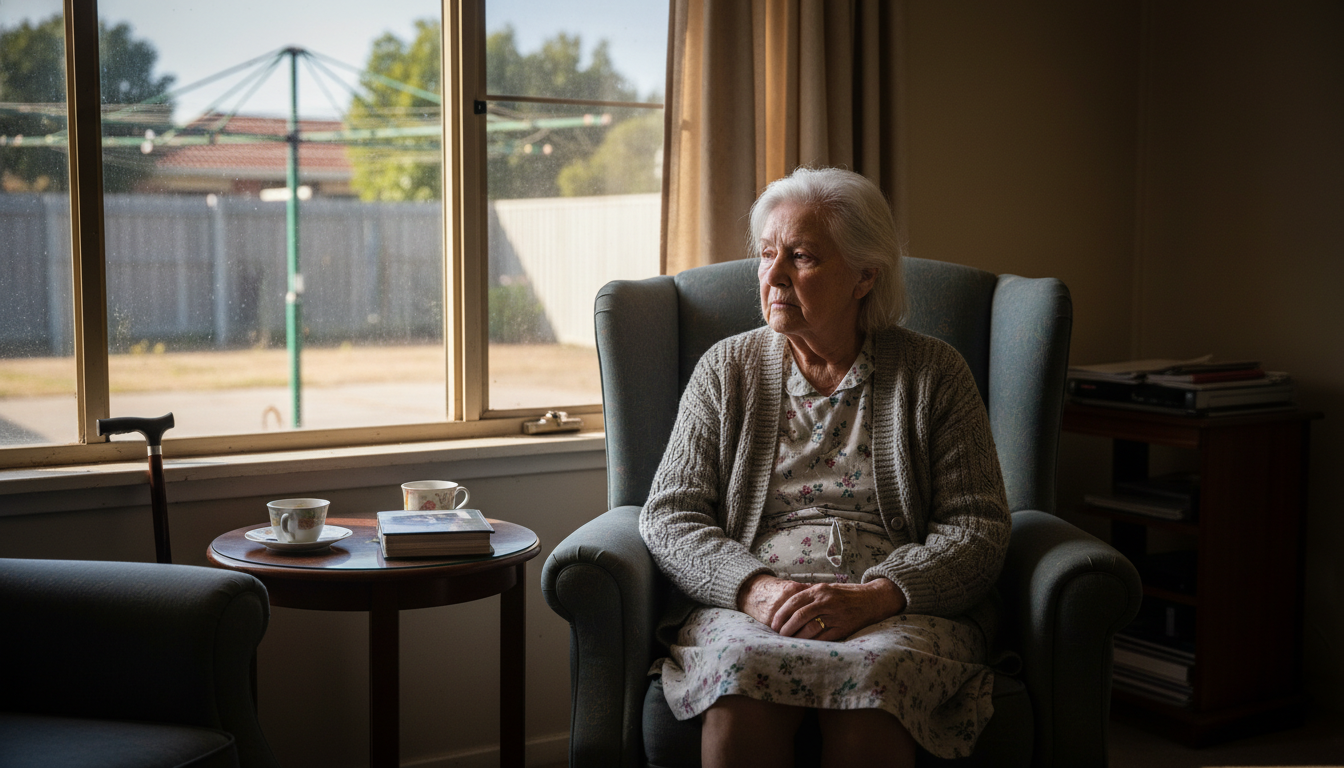
Family estrangement is a complex issue where one or more family members intentionally distance themselves from others. This distance can be physical, emotional, or both. For older individuals in Australia, the impact of family estrangement can become particularly clear when they require care. When adult children choose to maintain no contact with an aging parent, it often stems from a long history of difficult relationships. This situation can leave elderly parents facing the prospect of aging alone, without the direct support of their children.
The Reasons Behind No Contact
It is important to understand that adult children do not typically choose no contact lightly. Often, this decision is a last resort after years of trying to manage challenging or harmful family dynamics.

Common reasons for estrangement include:
- Past Abuse: Physical, emotional, or psychological abuse during childhood can lead adult children to cut ties.
- Narcissism: Parents with narcissistic traits may create environments where their children's needs are ignored or dismissed, leading to deep emotional wounds.
- Toxic Behavior: Ongoing manipulation, criticism, or disrespect can make a relationship unsustainable.
- Lack of Apology or Change: When an older parent refuses to acknowledge past harms or change their behavior, adult children may feel they have no choice but to distance themselves.
Care workers frequently observe the isolation of older individuals and often come to understand the deep-seated reasons behind a family's distance. However, others who are not familiar with the family's history may quickly judge the children for not visiting or providing care. This judgment often overlooks the pain and difficult choices adult children have made to protect their own mental health and peace.
The Challenges of Care When Aging Alone
When family estrangement means an older person is aging alone, it creates specific challenges for their care.
These challenges include:
- Lack of Informal Support: Adult children often provide significant informal care, such as help with errands, appointments, and daily tasks. Without this, older individuals may struggle more.
- Difficulty with Decision-Making: Family members frequently act as advocates, helping to make important medical or financial decisions. Without this support, older individuals may feel overwhelmed.
- Increased Reliance on Formal Services: Those aging alone may need to rely entirely on paid care services, which can be expensive and may not always meet all their social and emotional needs.
- Emotional Impact: Loneliness and isolation can worsen health outcomes for older people.
The Role of Care Workers and Support Systems
Care workers play a vital role in supporting older Australians who are estranged from their families. They often become the primary source of companionship and practical assistance. It is important for care professionals to approach these situations with understanding and empathy, recognizing the complex family histories involved.
Support systems that can help include:
- Professional Care Services: Home care, respite care, and residential aged care facilities provide essential support.
- Community Programs: Local councils and community groups in Australia offer social activities and support networks.
- Advocacy Services: Organizations that help older people understand their rights and access services.
- Technology: Innovations like Ai in Aged Care can help monitor well-being and provide companionship, offering new ways to support individuals who might otherwise be isolated.
Addressing Elder Entitlement and Narcissism
The concept of "elder entitlement" sometimes arises when older individuals expect care and support from their adult children, regardless of past behavior. This can be especially true for parents with narcissistic tendencies who may believe they are owed care without having to account for their past actions.
It is important to consider:
- The Child's Perspective: Adult children have a right to protect themselves from ongoing harm, even from an aging parent.
- Boundaries: Establishing and maintaining boundaries is a healthy response to toxic family dynamics.
- Societal Expectations: Society often places a strong expectation on adult children to care for their aging parents, which can create guilt for those who have chosen no contact. It is essential to challenge these judgments and understand the underlying reasons for estrangement.
Supporting Individuals Aging Alone
For older Australians who are estranged from their families, a network of support can make a significant difference. This support focuses on practical care, emotional well-being, and community connection.

Key areas of support include:
- Person-Centred Care: Tailoring care plans to meet the unique needs and preferences of the individual.
- Social Connection: Encouraging participation in community groups, volunteer activities, or social clubs to reduce loneliness.
- Mental Health Support: Providing access to counseling or therapy to help manage feelings of isolation or sadness.
- Legal and Financial Advice: Ensuring older individuals have access to advice on managing their affairs.
Frequently Asked Questions
What is family estrangement?
Family estrangement is when a family member decides to stop having contact with another family member. This can mean no longer speaking, visiting, or having any relationship.
Why do adult children choose no contact with aging parents?
Adult children often choose no contact because of a history of abuse, neglect, or ongoing harmful behavior from the parent, such as narcissism. They do this to protect their own mental health and peace.
How does estrangement affect care for older people?
Estrangement can mean older people have less informal support from family members. They may rely more on paid care services and can experience greater loneliness.
Should adult children feel guilty for not caring for an estranged parent?
It is common for adult children to feel guilt due to societal expectations. However, if the estrangement is due to past abuse or a parent's harmful behavior, protecting your own well-being is a valid and necessary choice. Care workers often understand these difficult situations.
What support is available for older people aging alone?
Support includes professional home care, community programs, advocacy services, and social groups. Technology can also help connect and monitor older individuals.


